New releases, music videos and album news — indie, rap, rock and pop. Always covering Ren, Chris Webby, Sam Tompkins, bbno$, CHINCHILLA, Muse, Yungblud and more.
Al Capone, prohibition and gun control: the 1929 mobster massacre that influenced a “pretty scary” David Bowie song
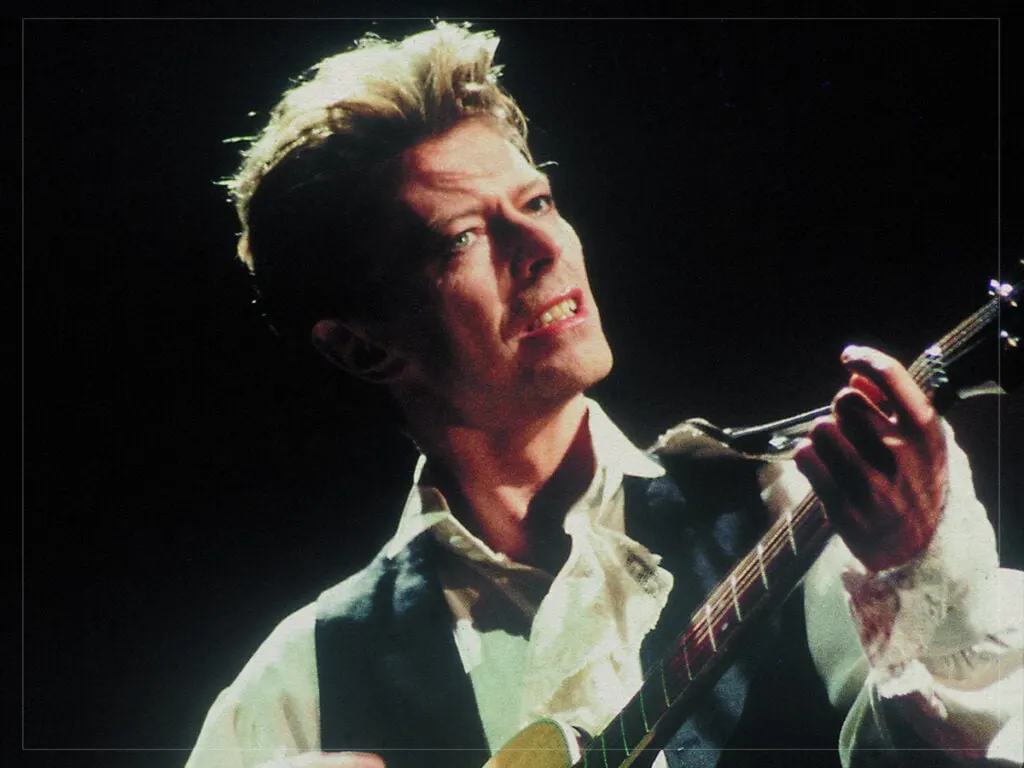
David Bowie’s ‘Valentine’s Day’, from his album *The Next Day*, was inspired by school shootings in the US. Producer Tony Visconti said the song explores the shooter’s mindset and mental health, while condemning the acts.
The title refers to the 1929 St Valentine’s Day Massacre, when seven gang associates were killed during Prohibition, an incident thought to have been orchestrated by Al Capone. Visconti said the historical reference and the song’s modern subject matter connect through the danger of guns reaching people who commit terrible acts.
In short
- Bowie’s ‘Valentine’s Day’ was inspired by US school shootings.
- Its title recalls the 1929 massacre of seven gang associates.
- Producer Tony Visconti linked the story to access to guns.
Steelman: both sides, in good faith
The strongest fair case each way — we don't pick a winner.
The case for
The story supports the case that gun access is a central part of preventing mass shootings: when people intent on violence can obtain firearms, their plans can cause devastating harm. The link between the massacre and modern school shootings underscores how the consequences of violent intent depend partly on the weapons available, making limits on access a defensible public-safety measure.
The case against
The story also supports the view that focusing on gun access alone may not address why people commit atrocities or prevent every attack. Understanding a shooter’s mindset and mental health, as the song explores, can point to prevention through earlier support and intervention; some may also argue that restrictions should be weighed against lawful ownership and the rights of people who use guns responsibly.