World news and discussion on TalkFuse.
As old allies leave US Congress, Ukraine must find new champions
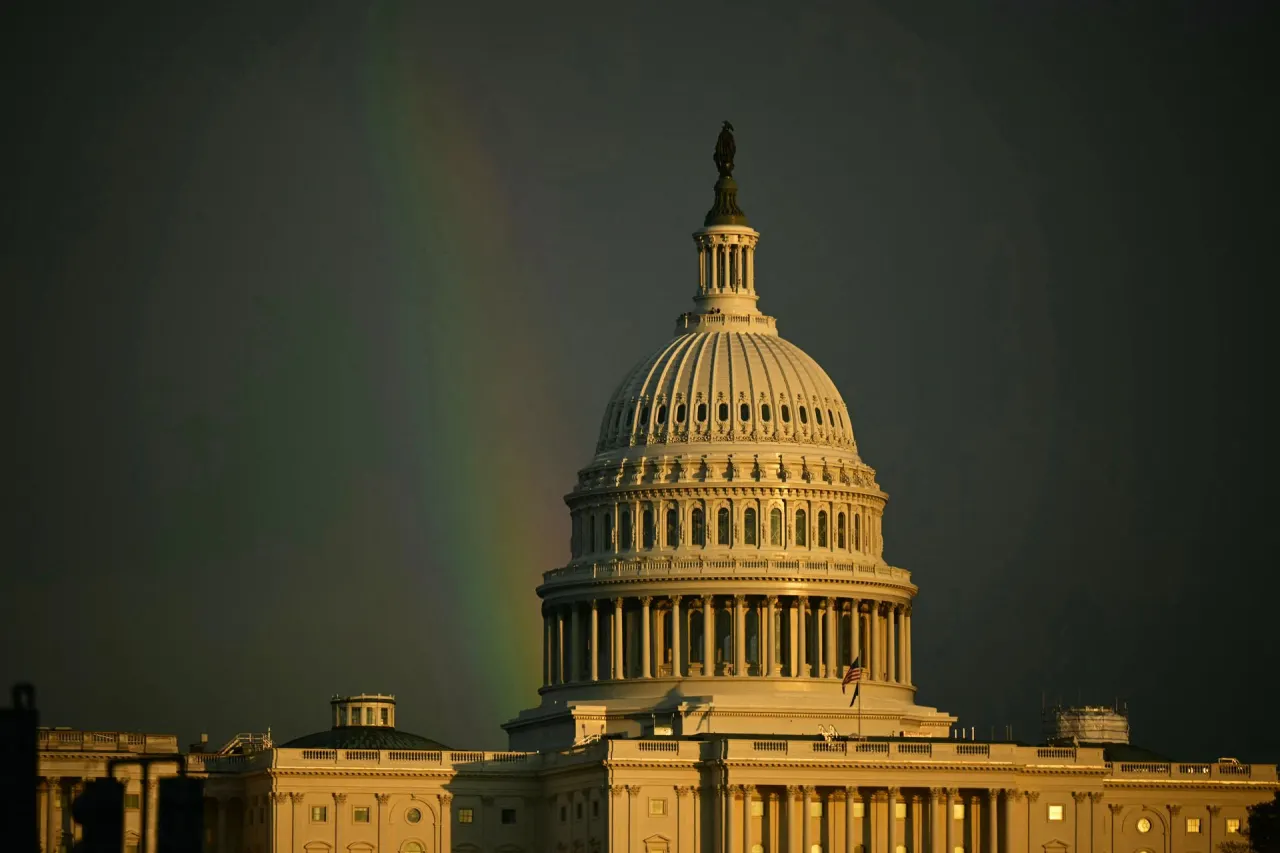
The US midterm elections have removed many moderate Republicans who helped build bipartisan support for Ukraine, while some Democratic allies are also leaving Congress. The article argues that Kyiv must cultivate new advocates across party lines because a Democratic majority alone may not secure lasting support.
Progressives are expected to make up around 20 House members, and the article says many are sceptical of military aid and sanctions against Russia. President Donald Trump has vowed to veto legislation; overriding a veto would require 290 House votes and 67 Senate votes. Of 18 Republicans who backed the Ukraine Support Act in June, only eight are expected to return in January, with several retiring or losing re-election.
In short
- Midterm losses have weakened Ukraine’s bipartisan support in Congress.
- Around 20 House progressives may be sceptical of military aid.
- Overriding a presidential veto needs 290 House and 67 Senate votes.
Steelman: both sides, in good faith
The strongest fair case each way — we don't pick a winner.
The case for
Ukraine needs to build new advocates across party lines because durable US support may depend on more than a Democratic majority. With some Republicans who backed aid leaving Congress, progressive scepticism and a president who may veto legislation, cultivating bipartisan backing could help sustain assistance and make it harder for future administrations or narrow majorities to reverse course.
The case against
A bipartisan strategy may be difficult and could give opponents greater influence over the terms or scale of support. Advocates could instead focus on securing a clear mandate from the incoming Democratic majority, arguing that voters and lawmakers who support Ukraine should be able to act without first winning over Republicans who may oppose aid or sanctions.
Explained simply
US support for Ukraine has included weapons, funding and sanctions on Russia since Russia’s full-scale invasion in 2022. Much of that support has relied on agreement between Democrats and Republicans in Congress, which approves funding and laws.
Congress has two chambers, the House of Representatives and the Senate, and its members can change after elections. A president can veto legislation, and Congress needs large majorities in both chambers to override that veto. Ukraine therefore depends on building support among lawmakers from both parties, even when one party controls Congress.
Americas Europe Government Politics World