Business news and discussion on TalkFuse.
Poorer countries lack clarity on climate funding after pledges expire
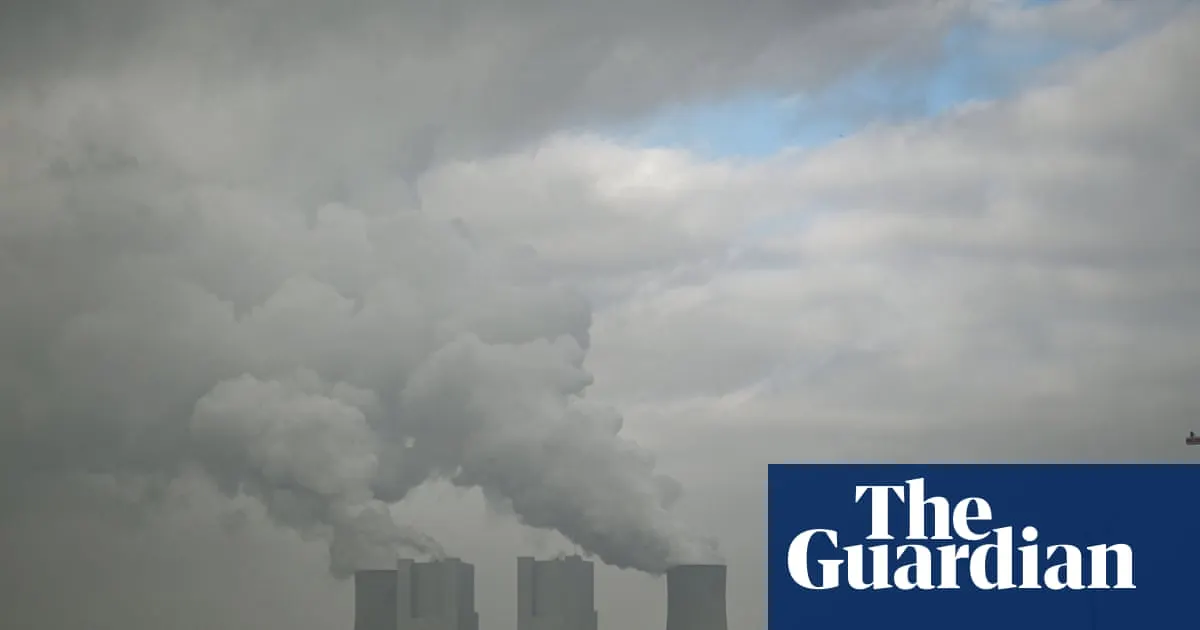
Developing countries are struggling to plan for climate action because several wealthy governments have not explained how much climate finance they will provide after current pledges expire. The uncertainty also makes it harder for poorer countries to attract private investment, as negotiators discuss funding at the Cop31 talks in Turkey.
A joint analysis by the NRDC and E3G suggests developed countries are broadly on track to provide $300bn annually by 2035, with about $229bn a year expected by 2030, including roughly $185bn from multilateral development banks. Continued EU funding and existing pledges from the UK and Canada would leave an estimated $7bn gap, while a separate analysis warned that bilateral finance could fall by 70% if countries made no new commitments. France, Germany and Australia have yet to publicly set out new goals; the UK cut its climate finance earlier this year.
In short
- Funding uncertainty is hampering poorer countries’ planning.
- Wealthy nations are broadly on track for the 2035 target.
- A 70% fall in bilateral funding is possible without new pledges.
Steelman: both sides, in good faith
The strongest fair case each way — we don't pick a winner.
The case for
Clear, predictable climate finance helps poorer countries plan long-term adaptation and emissions cuts, and can make projects more attractive to private investors. Wealthy countries have greater capacity and a stronger responsibility to help address a problem to which their past emissions have substantially contributed; without new commitments, bilateral funding could fall sharply and leave countries exposed.
The case against
Governments facing competing demands on public budgets may argue that pledges should reflect current fiscal capacity and be judged alongside other forms of support, including multilateral development bank finance and private investment. They may also favour setting commitments through negotiations that clarify how funds will be allocated and monitored, rather than announcing new national targets before those arrangements are agreed.
Explained simply
Climate finance is money to help countries cut greenhouse gas emissions and adapt to climate impacts such as floods, droughts and rising seas. Wealthier countries have pledged to provide this support to developing countries, which often have fewer resources to deal with these challenges.
The money can come directly from governments or through multilateral development banks, which are backed by several countries. Clear, reliable funding plans help governments decide which projects they can afford and can make it easier to attract private investors.
These funding arrangements are discussed at international climate talks, where countries negotiate how to share the costs of climate action. The decisions matter because developing countries need to plan over many years, while pledges and public budgets can change.
Business Climate Government Politics Science
Read the full article at the source →
Originally published by The Guardian as “Developing countries in limbo as rich nations delay new climate finance plans”.