Politics news and discussion on TalkFuse.
Spain’s general strike puts housing crisis at centre of upcoming elections
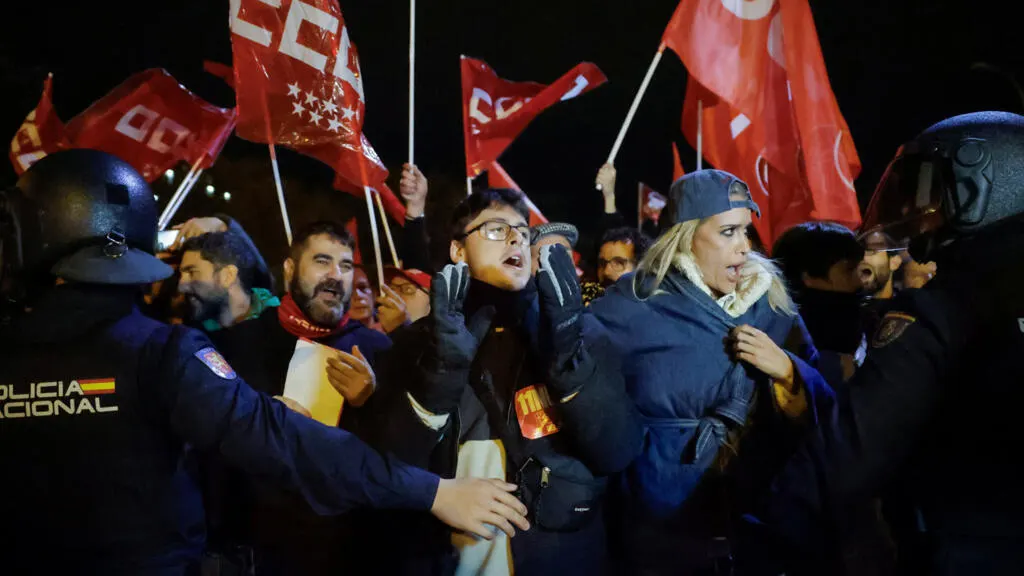
Spain’s first general strike in 14 years is bringing workers out to demand action on housing costs, putting the crisis at the centre of the campaign less than three weeks before a national election. The walkout is expected to disrupt public transport and businesses, while early protests included roadblocks and clashes with police.
Unions reported stoppages of 90% in automotive and port sectors, 85% in meat processing, 82% in waste collection and 75% in energy, though these were their figures. Average rents have nearly doubled in a decade; the country faces a housing shortfall of about 750,000 homes, and typical rent of €1,176 is nearly all of a young person’s average monthly salary. Housing campaigners seek stronger renter protections and curbs on tourist flats and speculation, while unions also want a new minimum wage agreement.
In short
- Spain’s first general strike in 14 years centres on housing costs.
- Unions report high stoppages across several major industries.
- The housing crisis is a key issue ahead of the election.
Steelman: both sides, in good faith
The strongest fair case each way — we don't pick a winner.
The case for
Supporters of the strike argue that soaring rents and a shortage of homes are making secure housing unattainable for many, especially younger people, and that existing measures have not matched the scale of the crisis. They see a general strike as a legitimate way to press for stronger renter protections, limits on tourist flats and speculation, and political commitments before the election.
The case against
Critics may accept that housing costs are a serious problem while arguing that a nationwide strike is disruptive and can impose costs on workers, businesses and the public who are not responsible for it. They may favour targeted policies to expand housing supply and improve affordability, cautioning that rent controls or curbs on tourist flats could have unintended effects and that election campaigning is not a substitute for workable policy.
Explained simply
Spain’s housing shortage has pushed up rents, making it harder for many people, particularly younger residents, to find an affordable home. The issue has become a focus of public debate as the country approaches a national election.
Trade unions represent workers across sectors such as transport, ports and energy, while housing campaigners seek stronger protections for renters and limits on tourist flats and property speculation. Unions have also called for an agreement on the minimum wage.
The dispute matters because housing costs affect household budgets and the choices available to renters. The competing proposals put pressure on political parties to explain how they would respond.
Elections Europe Politics World