Politics news and discussion on TalkFuse.
New Orleans attorney fined $400,000 after exposing abusive priest says it was ‘worth it’
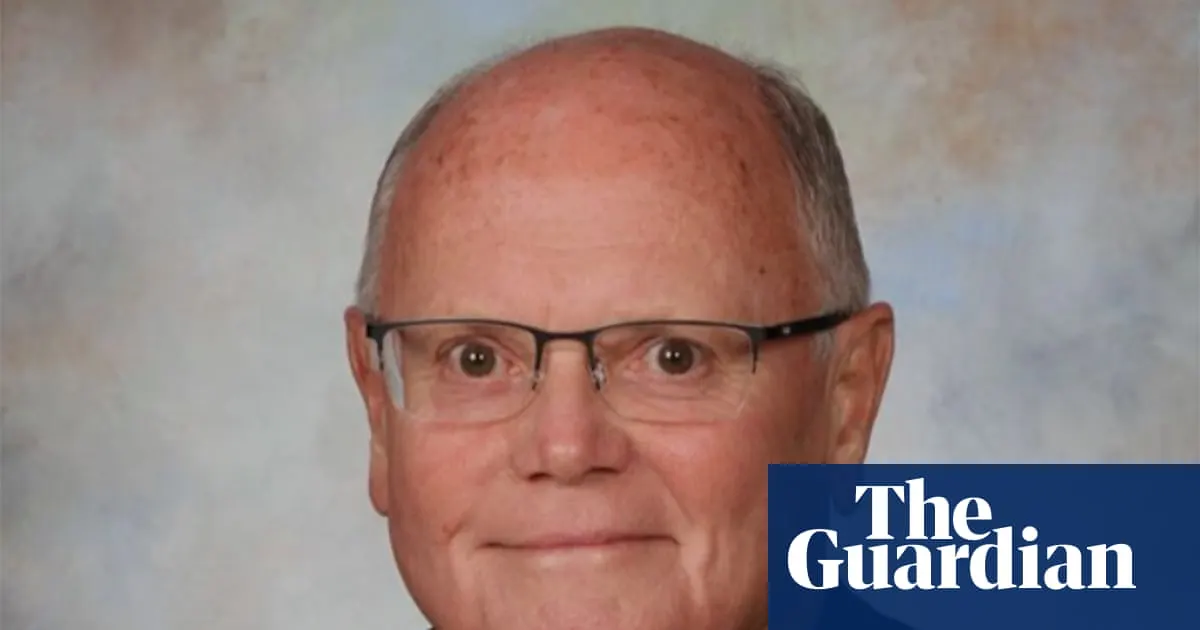
New Orleans lawyer Richard Trahant says the more than $400,000 fine he incurred after helping expose priest Paul Hart’s past misconduct was “worth it”. The archdiocese added Hart to its list of clergy facing credible abuse claims on 6 November, years after his conduct and the decisions of church leaders were challenged.
Hart had admitted to church supervisors that he had sexual contact in the early 1990s with a 17-year-old he met through his ministry. An advisory board recommended removing him from public ministry, but Archbishop Gregory Aymond allowed him to continue and appointed him chaplain at Brother Martin school in 2017; Hart retired in January 2022. Trahant said the church’s classification vindicated those who spoke out, though he described the result as a costly “Pyrrhic victory”.
In short
- The archdiocese added Paul Hart to its list of credibly accused clergy.
- Richard Trahant says the costly fight was worth it.
- Hart had served as a school chaplain after church leaders reviewed his case.
Steelman: both sides, in good faith
The strongest fair case each way — we don't pick a winner.
The case for
Trahant’s case is that exposing credible allegations and the decisions that allowed Hart to remain in ministry served the public interest, particularly given the risk to young people and the need for accountability. The archdiocese’s later listing of Hart may be seen as vindicating those who raised concerns, making the personal and financial cost worthwhile despite the delay.
The case against
A reasonable counterargument is that pursuing exposure through legal or public channels can impose serious costs on those involved and may complicate fair, careful handling of allegations. Church leaders could argue that decisions about ministry should follow established procedures and take account of the evidence available at the time, while acknowledging that the later listing raises questions about whether those procedures were adequate.
Explained simply
The Catholic Church is organised into local archdioceses, led by archbishops, which oversee priests and church institutions. When concerns about a priest’s conduct are raised, church leaders may investigate and decide whether he can continue in ministry.
Paul Hart was a New Orleans priest who admitted to church supervisors that he had sexual contact with a 17-year-old he met through his ministry in the early 1990s. An advisory board recommended that he be removed from public ministry, but church leaders allowed him to continue and later appointed him chaplain at Brother Martin school.
Richard Trahant is a lawyer who helped bring Hart’s past conduct and the church’s decisions to wider attention. The case raises questions about how religious institutions respond to abuse allegations and how people who speak out can face personal or financial consequences.