Politics news and discussion on TalkFuse.
Bird flu fears prompt orders for farmers to keep poultry inside in England and Scotland
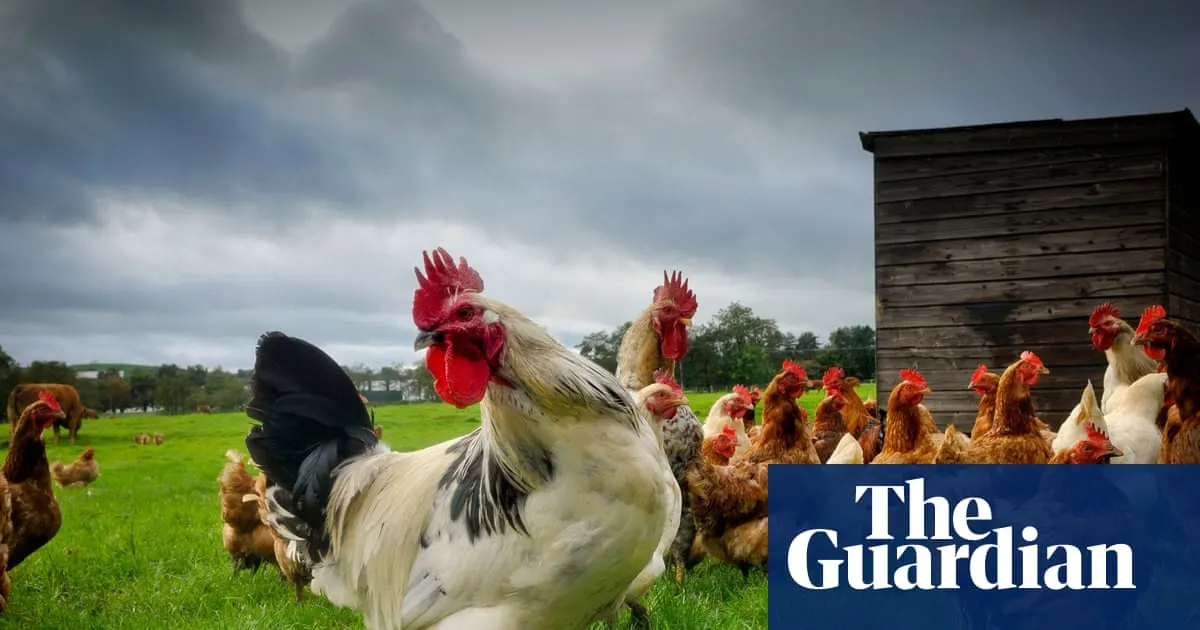
Authorities have ordered poultry and captive birds to be kept indoors across England and Scotland, as bird flu cases rise among wild and kept birds. The restrictions aim to limit the spread of a highly pathogenic strain that can cause severe illness and high death rates in birds.
In England, keepers with 50 or more birds must house them indoors; Scotland announced a similar measure on Tuesday. Birdkeepers must strengthen biosecurity, report changes in egg production and immediately report suspected disease. The government says the risk to people remains very low and expects no effect on Christmas poultry supplies; properly cooked poultry and eggs are safe to eat.
In short
- Birdkeepers in England and Scotland face indoor housing rules.
- The measures follow rising bird flu confirmations.
- Authorities say human risk is very low.
Steelman: both sides, in good faith
The strongest fair case each way — we don't pick a winner.
The case for
Indoor housing can reduce contact between poultry and infected wild birds, helping limit a serious disease that can cause high losses in flocks. Alongside stronger biosecurity and prompt reporting, the temporary restrictions may protect animal health and farms, while authorities say the risk to people is very low and properly cooked poultry and eggs remain safe.
The case against
Keeping birds indoors can impose practical and financial burdens on farmers and affect birds’ welfare by restricting their space and natural behaviour. A thoughtful critic might question whether a broad requirement is proportionate for every keeper, and favour targeted measures or support that reduce infection risk while limiting those costs.
Explained simply
Bird flu is a disease caused by influenza viruses that mainly affect birds. Some strains spread easily among wild birds and poultry and can cause severe illness or death, so an outbreak can affect farms as well as wildlife.
Poultry keepers include commercial farmers and people who keep birds in smaller numbers. Rules for housing birds and improving hygiene are intended to reduce contact with infected wild birds and limit spread between flocks.
The restrictions apply in England and Scotland, where authorities oversee animal health. Officials also ask keepers to watch for signs of disease and report suspected cases; they say the risk to people is very low.