Culture news and discussion on TalkFuse.
Come on Andy… stop gaslighting us and fund music education
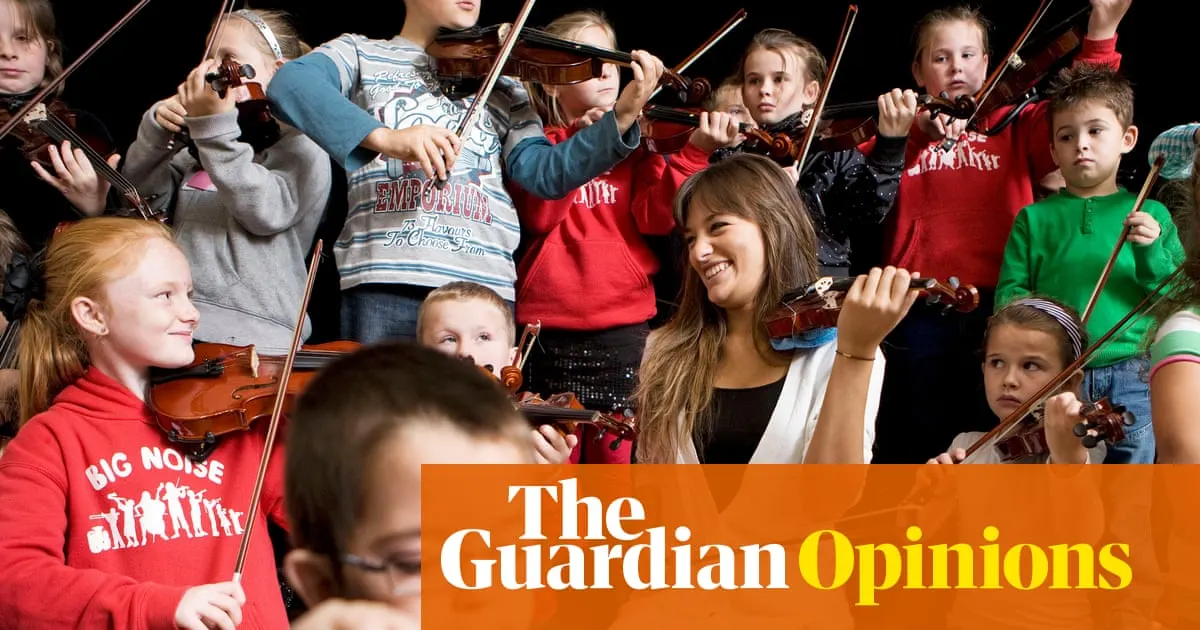
More than 2,000 young musicians performed at the Music for Youth Proms at the Royal Albert Hall, showcasing choirs, bands and orchestras, including a group bringing together disabled and non-disabled players. The event also highlighted concerns about the decline of music education and the gap between political promises and the funding schools receive.
Cellist Julian Lloyd Webber says the UK has lost a music education system once admired around the world, after years of campaigning by musicians and others. The article points to successive governments’ underfunded initiatives, including the 2004 music manifesto and the music education hubs, which have fallen from more than 100 to 43; it argues that free, broad access to lessons and school music-making needs sustained support.
In short
- More than 2,000 young people performed at the Music for Youth Proms.
- Julian Lloyd Webber says UK music education has declined.
- The number of music education hubs has fallen from over 100 to 43.
Steelman: both sides, in good faith
The strongest fair case each way — we don't pick a winner.
The case for
Sustained public funding for music education can give children from all backgrounds access to lessons, ensembles and skills they might otherwise miss, while supporting creativity, confidence and social connection. The Proms’ large and inclusive performances show what schools and community programmes can make possible; advocates argue that short-lived initiatives and shrinking provision cannot deliver this consistently, so government promises should be matched by long-term support.
The case against
Governments must weigh music education against other pressing demands on limited public funds, including core teaching, additional needs and services that may offer more direct benefits to disadvantaged pupils. Supporters of a more cautious approach could argue that provision need not depend on a single national funding model: schools and local organisations should have flexibility to target resources, and claims that past systems were broadly accessible or effective should be tested before committing to restore them.
Explained simply
Music education in the UK includes classroom music, school choirs and bands, and opportunities to learn instruments. Music for Youth is a programme that gives young people a chance to perform, including at the Royal Albert Hall’s annual Proms.
Cellist Julian Lloyd Webber is among those campaigning for stronger support for music in schools. Music education hubs, which help organise lessons and other local opportunities, have been part of government efforts to widen access, alongside earlier promises to improve provision.
The debate is about whether schools and local programmes have enough reliable funding to give children broad access to music-making. It matters because opportunities can vary between areas, and funding decisions affect what lessons, groups and instruments are available.
Culture Entertainment Music UK World