World news and discussion on TalkFuse.
Iran’s Guiana backdoor: Contested barrels, ghost flags, and the prison pipeline
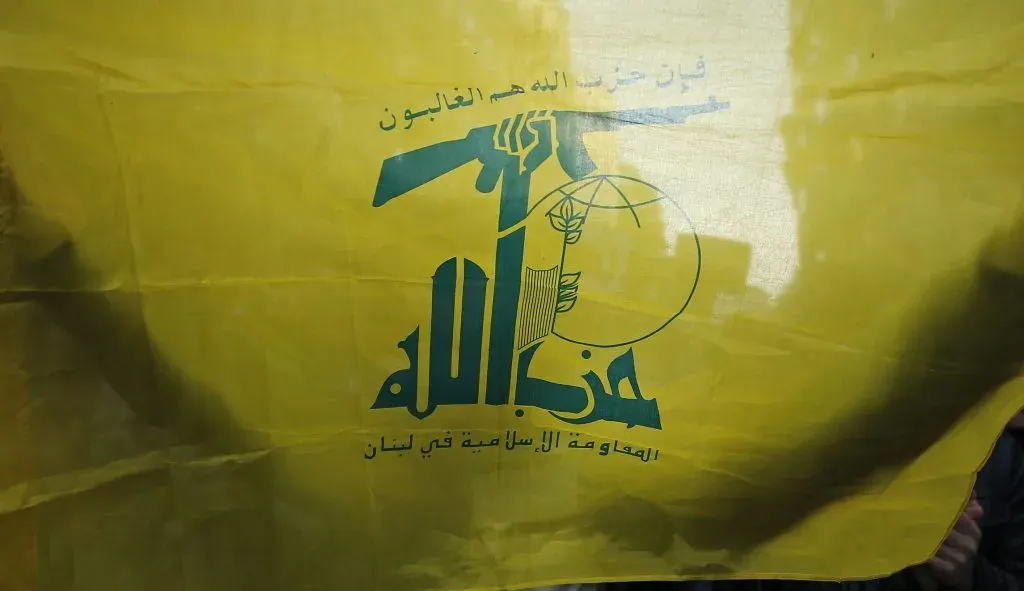
The article argues that Iran has built a long-running sanctions-evasion network in northern South America, using commercial shipping links and shell companies to move oil beyond Western financial systems. It says this maritime presence also intersects with criminal networks, creating security risks for Guyana and Suriname.
The account traces the arrangements to a 2006 Iran-Venezuela shipping and petrochemical pact and reports IRGC naval visits to Venezuelan ports by 2008. It also cites Brazilian investigations alleging Hezbollah recruited ex-convicts for surveillance and operational support, while relying on links with the Primeiro Comando da Capital for arms and logistics. The article claims limited radar and biometric checks in Guyana and Suriname leave trafficking routes insufficiently monitored.
In short
- Iran’s South American shipping links date back to 2006.
- The article links oil sanctions evasion with criminal networks.
- It says limited monitoring leaves routes through Guyana and Suriname exposed.
Steelman: both sides, in good faith
The strongest fair case each way — we don't pick a winner.
The case for
Supporters of stronger scrutiny argue that reported shipping links, shell companies and alleged ties between criminal networks create plausible risks to sanctions enforcement and regional security. They would say that limited radar coverage and biometric checks leave gaps that governments should address through better monitoring and cooperation, while carefully distinguishing documented evidence from allegations.
The case against
Those urging caution would argue that a reported presence or historical agreement does not by itself prove that Iran directs criminal activity or that Guyana and Suriname face a coordinated security threat. They would stress the need to test the underlying claims, avoid treating allegations about Hezbollah or local gangs as established fact, and weigh expanded surveillance against costs, civil liberties and the risk of stigmatising communities.
Explained simply
Iran, Venezuela, Guyana and Suriname sit within a wider network of trade and shipping across the northern coast of South America. Iran and Venezuela developed commercial links in the 2000s, including agreements covering shipping and petrochemicals, while Iran has faced sanctions that restrict its access to international markets and finance.
The article describes how ships, company structures and changes of flag can make it harder to establish where oil comes from or who controls a vessel. It also discusses allegations from Brazilian investigations that Hezbollah, an armed political group based in Lebanon, has sought help from criminal networks in the region, including Brazil’s Primeiro Comando da Capital.
Guyana and Suriname have growing maritime interests, but monitoring large coastal and river areas can be difficult. The reported concerns matter because gaps in checks could complicate efforts to detect illicit trade, trafficking and other cross-border activity.
Americas Middle East Paranormal Politics Weird & Viral World