Entertainment news and discussion on TalkFuse.
Apparently now we *won’t* see a 24 GB RTX 5080, which is probably actually good for our wallets
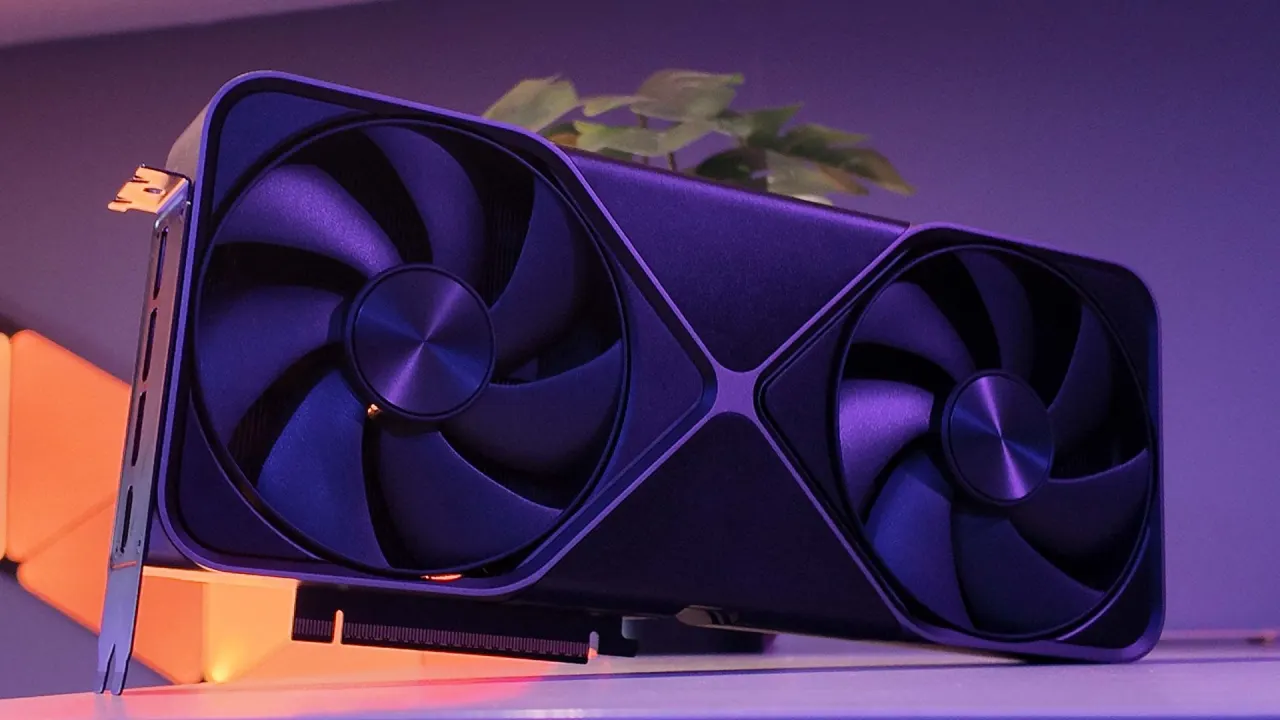
A rumour reported by leakers says Nvidia has dropped plans for a 24 GB RTX 5080, though the claim has not been confirmed. If true, this may spare buyers an even more expensive replacement for the existing 16 GB RTX 5080 and RTX 5090.
Nvidia GeForce senior vice-president Jeff Fisher has said RTX 5090 production has not been discontinued and that shipments will continue. A separate report cited the high cost of 3 GB GDDR7 chips and said Nvidia had cancelled a planned January 2027 launch in China, while the 16 GB RTX 5080 is expected to remain in production. The article says the RTX 5080 already costs well over $2,000, leaving few affordable high-end options.
In short
- Leakers say Nvidia dropped plans for a 24 GB RTX 5080.
- Nvidia says RTX 5090 production and shipments will continue.
- The 16 GB RTX 5080 is expected to remain in production.
Steelman: both sides, in good faith
The strongest fair case each way — we don't pick a winner.
The case for
If the rumour is accurate, dropping a 24 GB RTX 5080 could prevent an already costly product line from becoming still more expensive, especially if high memory costs would push its price beyond what most buyers can justify. Keeping the 16 GB RTX 5080 and RTX 5090 in production may also give customers clearer choices without encouraging an expensive mid-generation upgrade.
The case against
A 24 GB RTX 5080 could have offered substantially more memory for demanding games and creative workloads, giving buyers an option between the 16 GB model and the more expensive RTX 5090. Cancelling it may leave people who need that extra capacity with fewer choices, potentially pushing them towards a costlier card or another product line.
Explained simply
Nvidia’s GeForce RTX cards are graphics processors used in gaming PCs and other computers that handle demanding visual tasks. The RTX 5080 and RTX 5090 are high-end models; the amount of memory each has can affect how well it handles some games and other workloads.
Nvidia makes the cards, while computer makers and retailers sell them to buyers. More memory and newer components can add to a card’s cost, but prices also depend on supply and demand.
These products matter to people choosing powerful graphics cards, especially when prices are high and there are few cheaper alternatives at the top end. A change to Nvidia’s planned range could affect what options buyers have, though rumours about product plans do not establish what the company will release.