Culture news and discussion on TalkFuse.
Writers’ rooms turn TV storytelling into a collaborative process
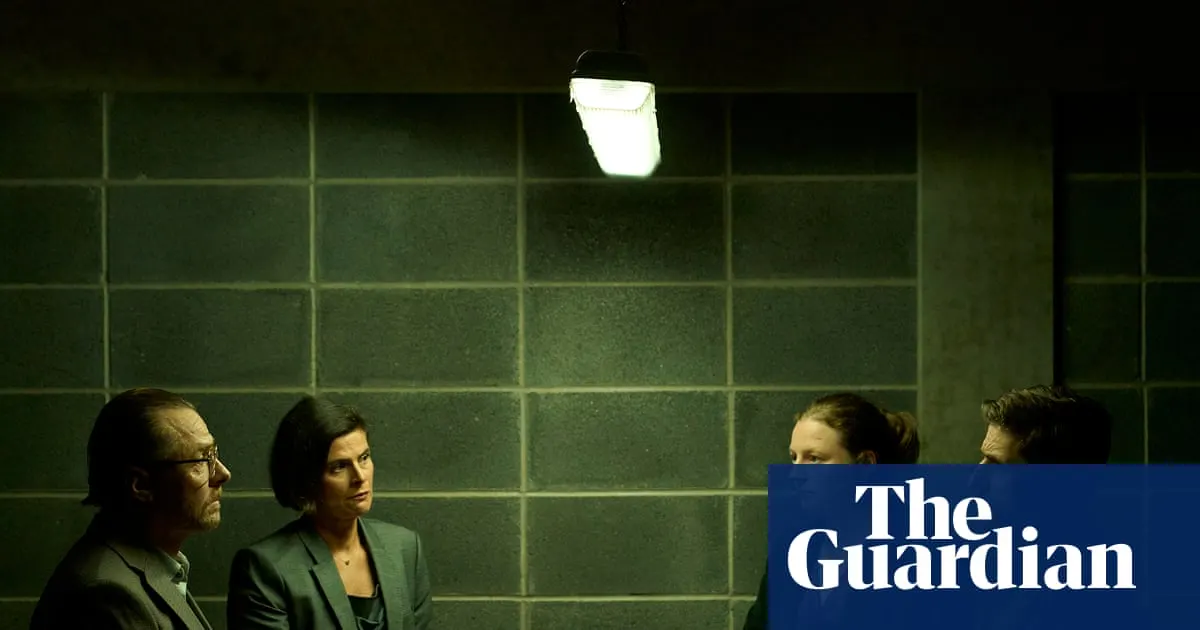
Television writing is often collaborative, built around a writers’ room where a team develops plots and characters before individual writers draft episodes. A film critic who co-wrote and executive-produced the forthcoming Channel 4 thriller *Hunting Alice Bell* describes how this process challenged his expectations of writing as a solitary task.
The series follows a sports centre manager falsely identified online as the former girlfriend of a notorious serial killer, exploring misogyny, online paranoia and digital mob rule. The room’s writers work through story beats together, while showrunner David Baddiel has the final say; he says the shared ideas and energy can make the later work of writing each scene less of a slog.
In short
- TV writers’ rooms develop stories collaboratively.
- Showrunner David Baddiel has the final say.
- *Hunting Alice Bell* explores online paranoia and mob rule.
Explained simply
Television dramas are often developed by a team of writers who plan the characters and plot together before drafting separate episodes. This group is known as a writers’ room, and a showrunner guides the work and makes final decisions about the story.
In Hunting Alice Bell, a sports centre manager is wrongly named online as the former girlfriend of a notorious serial killer. The story explores how misogyny, online suspicion and large groups of people reacting online can affect someone’s life.
Read the full article at the source →
Originally published by The Guardian as “‘Like leading brave soldiers to certain death’: Succession’s Jesse Armstrong and more on the rollercoaster of TV writers’ rooms”.