Business news and discussion on TalkFuse.
How the UK’s welfare budget is bigger than Romania’s GDP – and is forecast to be larger than Colombia’s current national output by 2031
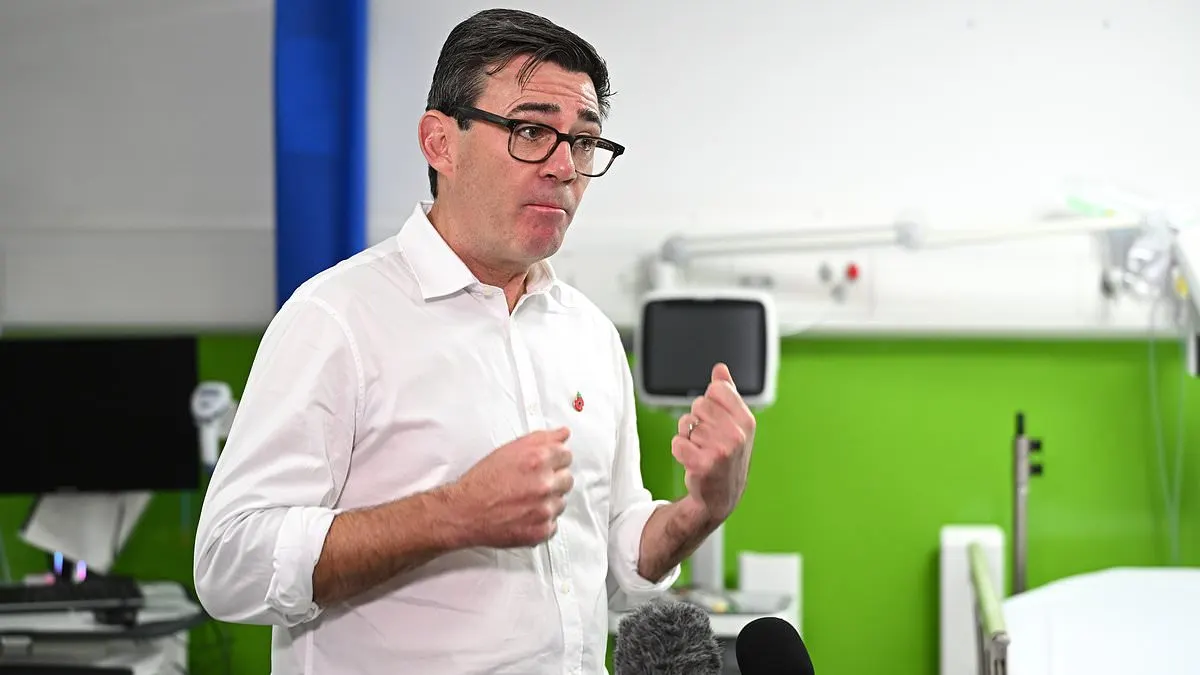
The UK’s welfare bill is forecast to reach £353 billion this year, exceeding the current GDP of several countries, including Romania and Pakistan. The comparison highlights the scale of public spending on benefits, while the Government faces pressure to reduce costs.
The Office for Budget Responsibility projects welfare spending will rise to £431 billion in 2031/32, equivalent to about $575 billion at the exchange rate used in the article. That would exceed the IMF’s current GDP estimates for Colombia, Malaysia and Vietnam. Conservative leader Kemi Badenoch has proposed cutting £36 billion, while Prime Minister Andy Burnham has ruled out “crude cuts” and is expected to consider reforms after reports on young people not in education, work or training, and disability benefits.
In short
- Welfare spending is forecast at £353 billion this year.
- The OBR projects it will reach £431 billion by 2031/32.
- Government reforms are expected after reports due next year.
Steelman: both sides, in good faith
The strongest fair case each way — we don't pick a winner.
The case for
Supporters of reducing welfare spending argue that a rising bill puts pressure on taxpayers and limits funds available for other priorities, so targeted savings could help keep public finances sustainable. They may favour reforms that improve incentives to work and focus support on people most in need, while recognising that the scale of spending alone does not show whether individual benefits are justified.
The case against
Those wary of cuts argue that welfare provides essential security for people facing disability, unemployment, poverty or other hardship, and that headline totals do not distinguish between different needs or measure the value of that support. They may favour reform that improves how assistance works while avoiding reductions that deepen hardship or make it harder for people to participate in work and society.
Explained simply
Welfare spending is public money paid to support people who meet rules for benefits, including people who are out of work, disabled or on low incomes. It is one part of the UK’s government spending, alongside areas such as health, education and pensions.
Gross domestic product, or GDP, measures the value of goods and services produced in a country over a year. Comparing a year’s welfare spending with another country’s GDP gives a sense of scale, but the figures measure different things and do not show that the UK spends more overall than those countries.
The Office for Budget Responsibility is an independent body that forecasts the public finances. Its projections inform debate between the Government and opposition parties about how to manage benefit spending, while proposed changes can affect people who rely on support and the public budget.