World news and discussion on TalkFuse.
Democrats’ midterm victory offers Europe relief but little certainty
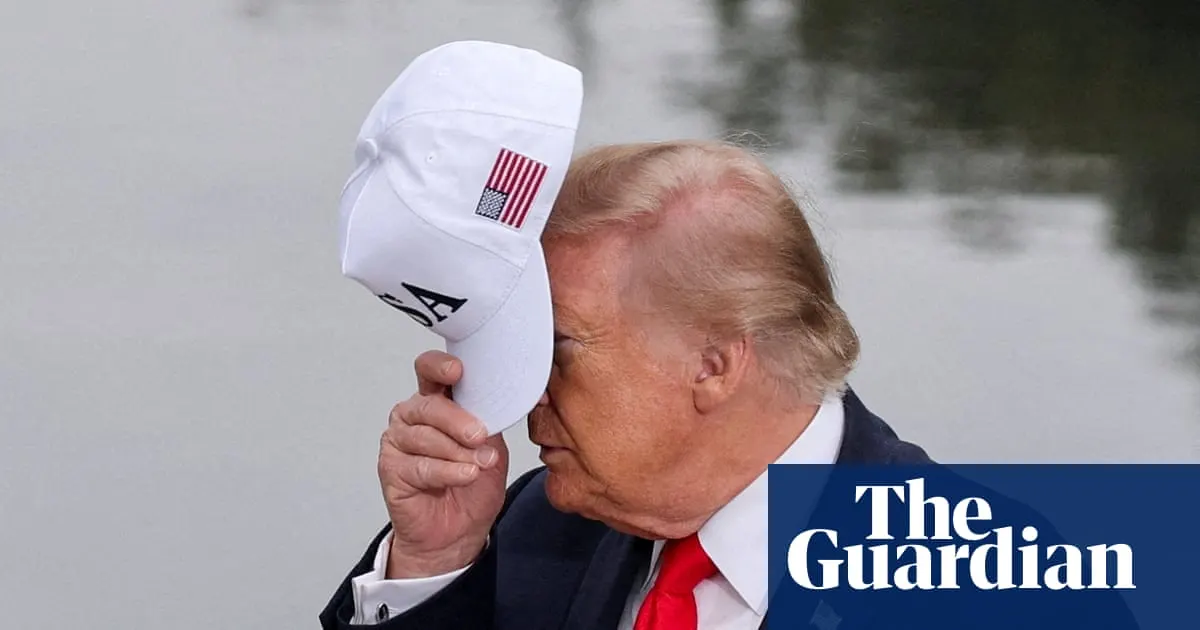
The Democrats’ sweeping victory in the US midterm elections has brought relief to European governments, but it may not mark a turning point for Europe. With Congress under Democratic control, Donald Trump faces greater limits on domestic policy, yet retains broad powers over foreign affairs and could respond with more pressure on European allies.
European leaders fear renewed tariff disruption, reduced support for Ukraine and a more confrontational US foreign policy. The article says Democrats are not united on Europe or Ukraine, while nationalist populist parties may remain strong despite Trump’s defeat, especially where voters are concerned about stagnant pay, inflation and housing costs.
In short
- Democrats’ midterm victory offers Europe relief, but not security.
- Trump retains significant power over foreign policy.
- European populists may remain popular despite his defeat.
Steelman: both sides, in good faith
The strongest fair case each way — we don't pick a winner.
The case for
The Democratic victory may offer Europe some breathing space by limiting Trump’s room to manoeuvre on domestic policy and signalling that his approach has electoral costs. European governments could also see it as an opportunity to strengthen cooperation with US lawmakers and reinforce support for Ukraine and the transatlantic relationship.
The case against
The result may bring little lasting security for Europe: Trump retains wide authority over foreign policy, and a weakened president could put more pressure on allies through tariffs or a harder line on Ukraine. Democrats are divided on these issues, while the economic concerns that sustain nationalist populist movements remain, so the election need not mark a durable shift in US or European politics.
Explained simply
US midterm elections decide who controls Congress, the federal legislature, partway through a president’s term. Congress makes laws and controls government spending, while the president leads the executive branch and has wide authority over foreign policy.
Donald Trump’s approach to Europe matters because the US is a major trading partner and a key supporter of Ukraine in its war with Russia. European governments have differed over trade, defence spending and how to respond to the war.
Democrats do not all share the same views on Europe or Ukraine, and control of Congress does not settle those disagreements. Economic pressures such as rising prices, slow wage growth and high housing costs also shape politics in the US and Europe.
Americas Elections Europe Government Politics World
Read the full article at the source →
Originally published by The Guardian as “Is the US blue wave a turning point for Europe, too?”.