Politics news and discussion on TalkFuse.
Matt Taibbi: The Government Shouldn’t Decide What’s True
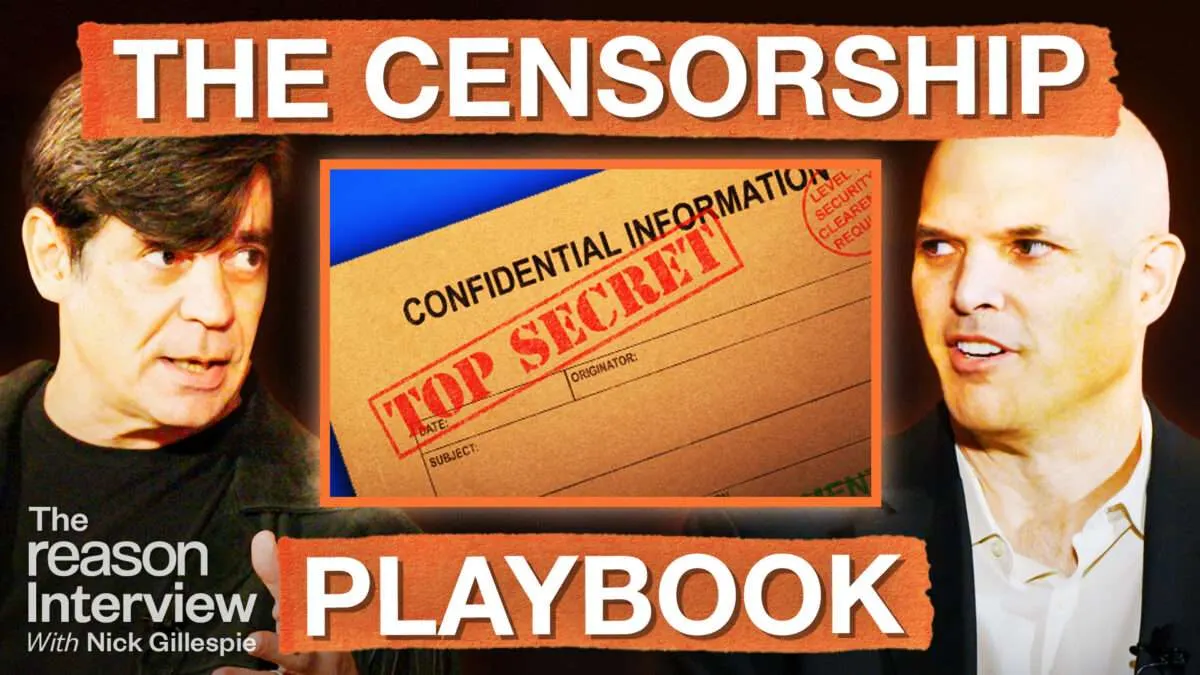
Investigative journalist Matt Taibbi argues that journalism has become more politically driven and less attentive to factual accuracy, and warns against government efforts to shape what people can read online. In a discussion with Nick Gillespie, he says neither major US party consistently protects free speech, raising questions about press freedom and editorial independence.
The interview covers Taibbi’s work on the Twitter Files, which examined content moderation and the platform’s communications with government officials, as well as his ongoing defamation lawsuits. They also discuss public distrust in the media, how digital platforms have lowered barriers to publishing, pressure on technology companies to remove controversial content, and the role of art, literature and independent media in resisting authoritarianism.
In short
- Taibbi warns against government influence over online speech.
- He says political pressure has weakened journalism’s focus on accuracy.
- The interview covers media trust, press freedom and independent publishing.
Steelman: both sides, in good faith
The strongest fair case each way — we don't pick a winner.
The case for
Government involvement in online content decisions can threaten free expression and editorial independence, especially when officials pressure platforms to suppress lawful but controversial views. Because neither party can be assumed to protect speech consistently, clear limits on state influence may help preserve open debate, independent journalism and public scrutiny.
The case against
Online platforms can rapidly amplify false or harmful claims, and their content decisions can affect public understanding at scale. Supporters of some government involvement argue that transparent, narrowly defined rules and oversight can help address those risks while safeguarding rights, rather than leaving consequential decisions entirely to private companies.
Explained simply
Matt Taibbi is an American journalist who has written about politics, the media and financial institutions. He became widely known for reporting on the Twitter Files, a series of articles based on internal records from the social media company, Twitter, about how it handled posts and communicated with government officials.
The debate centres on who should decide what people can read online and how platforms should respond to disputed or controversial material. Governments, technology companies and news organisations all influence what information reaches the public, while readers’ trust in the media has fallen. These questions matter for press freedom, public debate and the ability of independent journalists to publish their work.