Sport news and discussion on TalkFuse.
Labour MPs warn against weakening electric vehicle targets ahead of crunch talks
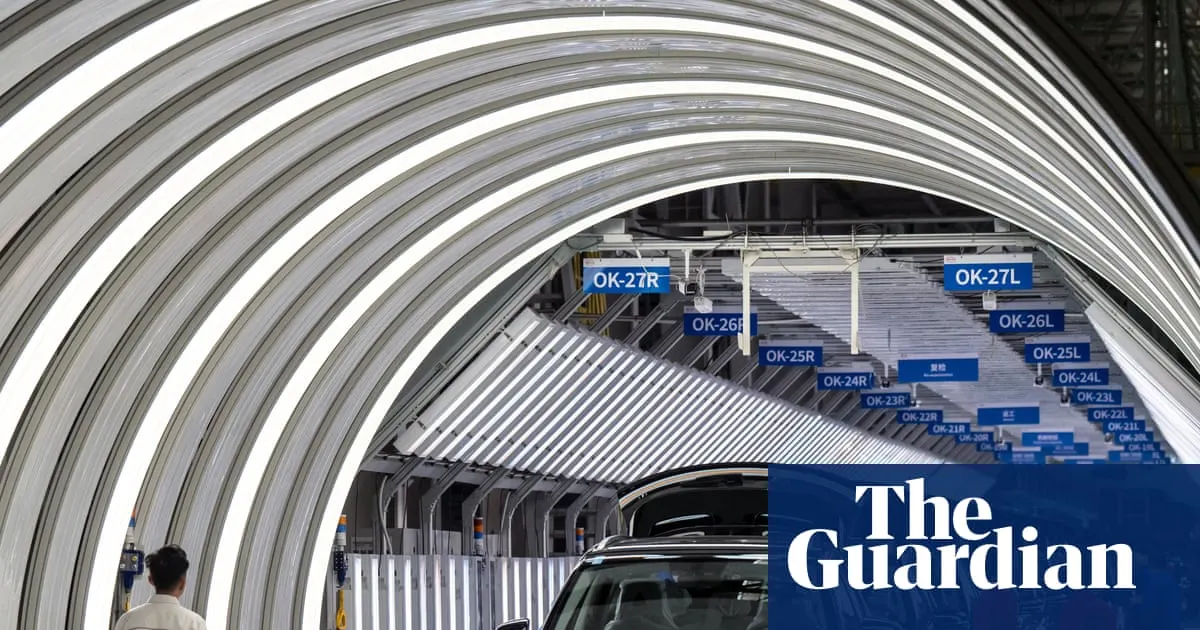
Labour MPs are urging ministers to keep the 2030 electric vehicle target, warning that cutting it would weaken the government’s climate ambitions and damage its credibility. Their intervention comes before a delayed cabinet-level meeting on Thursday, where ministers are expected to seek a compromise.
The current legal requirement is for 80% of new cars sold in 2030 to be electric. Business Secretary Jonathan Reynolds favours reducing it to 50%, while Transport Secretary Heidi Alexander supports about 60%; Energy Secretary Miatta Fahnbulleh wants to stay closer to 80%. A compromise of 60% to 65% is considered likely, though some MPs from industrial areas back a lower target to give manufacturers more time and protect jobs.
In short
- Labour MPs want ministers to retain the 80% EV target.
- Cabinet ministers are weighing cuts to between 50% and 65%.
- A decision is expected after Thursday’s talks.
Steelman: both sides, in good faith
The strongest fair case each way — we don't pick a winner.
The case for
Keeping the 80% target would preserve a clear signal that the UK intends to meet its climate commitments and give manufacturers, investors and consumers a stable direction of travel. Supporters argue that weakening it could undermine confidence in government policy and slow investment in electric vehicles and charging infrastructure.
The case against
A lower target could give carmakers more time to adapt production, manage costs and respond to uneven consumer demand, reducing the risk that rapid change harms jobs or industrial communities. Advocates of flexibility may argue that a target closer to 50% or 60% is more achievable while still supporting the shift to electric vehicles.
Explained simply
The UK’s electric car rules set a rising share of new cars that must be electric, as the country moves away from petrol and diesel vehicles. Under the current law, 80% of new cars sold in 2030 must be electric.
Ministers disagree over whether to keep that level or lower it, with the debate involving the business, transport and energy departments. Some Labour MPs and ministers argue that a high target supports climate plans; others are concerned about the time manufacturers need to adapt and the effect on jobs. The decision matters for carmakers, workers and buyers, as well as the pace of the UK’s shift to lower-emission transport.
Football Government Politics Software Sport Technology UK World