Business news and discussion on TalkFuse.
Marine Corps Gives Troops Right To Reject Filthy, Unsafe Barracks
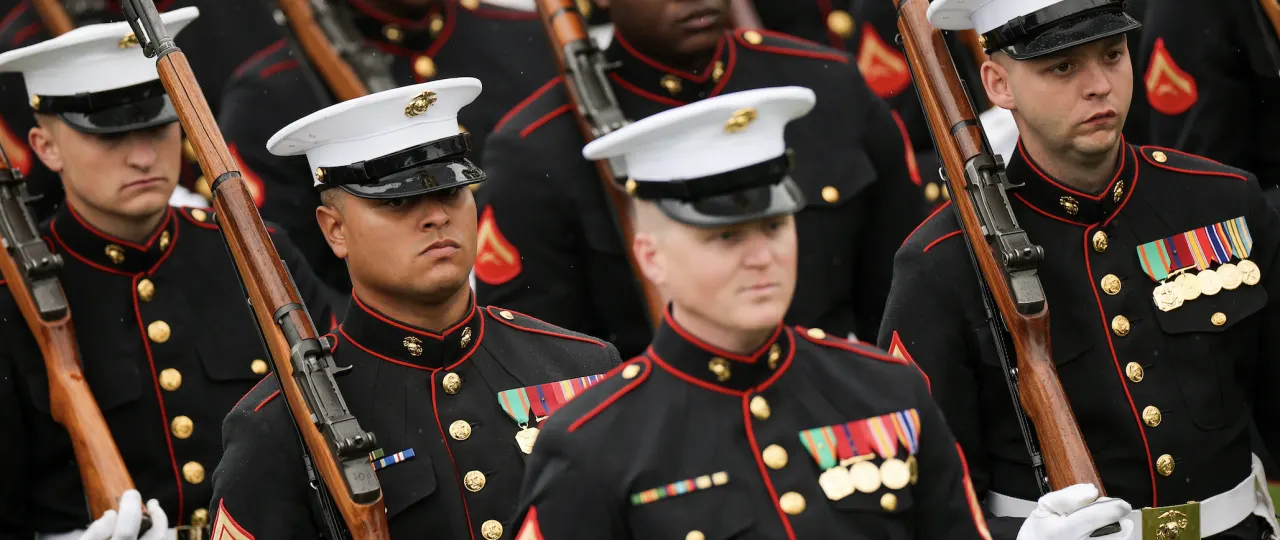
The US Marine Corps has introduced minimum standards for unaccompanied housing and says Marines can reject rooms that are unsafe or uninhabitable without facing retaliation. The change matters because poor barracks can affect service members’ health, dignity and readiness, as well as recruitment and retention.
Conditions that qualify include visible mould, pest infestations, broken heating or cooling, faulty locks and unusable plumbing. The policy also strengthens maintenance accountability and gives Marines a route to seek help from commanding officers. A Pentagon adviser who has visited more than eight military facilities said only a couple were in good condition; reported problems include prolonged loss of hot water and service members sleeping in cars. A 2023 Government Accountability Office review documented hazards, and 12 of its 31 recommendations remained unimplemented in 2026.
In short
- Marines can refuse unsafe or uninhabitable barracks without retaliation.
- Mould, pests and broken essential systems are among the listed hazards.
- A Pentagon review found poor conditions across several military facilities.
Steelman: both sides, in good faith
The strongest fair case each way — we don't pick a winner.
The case for
Minimum habitability standards and a protected right to refuse unsafe rooms recognise that service members should not have to endure mould, pests or broken essential services as a condition of service. Clear rules and maintenance accountability may protect health and dignity, support readiness, and help recruitment and retention.
The case against
A thoughtful concern is that a refusal policy could complicate housing management when facilities are limited, repairs take time and commanders must balance individual needs with operational demands. If standards or inspection processes are unclear, disputes could leave Marines without suitable accommodation or divert resources from urgent repairs; the policy therefore needs workable procedures and adequate maintenance funding.
Explained simply
The US Marine Corps is part of the country’s armed forces. Many Marines live in barracks, known as unaccompanied housing, when they are posted away from family or are not living with family on base.
Military housing is maintained through the services’ own systems, with commanders and maintenance teams responsible for addressing problems. Government reviews have found hazards in some barracks, including mould, pests and failures in basic facilities such as heating and plumbing.
Housing conditions can affect service members’ health, privacy and ability to rest between duties. They can also influence whether people choose to remain in the military, making barracks a matter of both living standards and workforce readiness.