Politics news and discussion on TalkFuse.
The Guardian view on welfare reform: time to retire lazy myths and stereotypes | Editorial
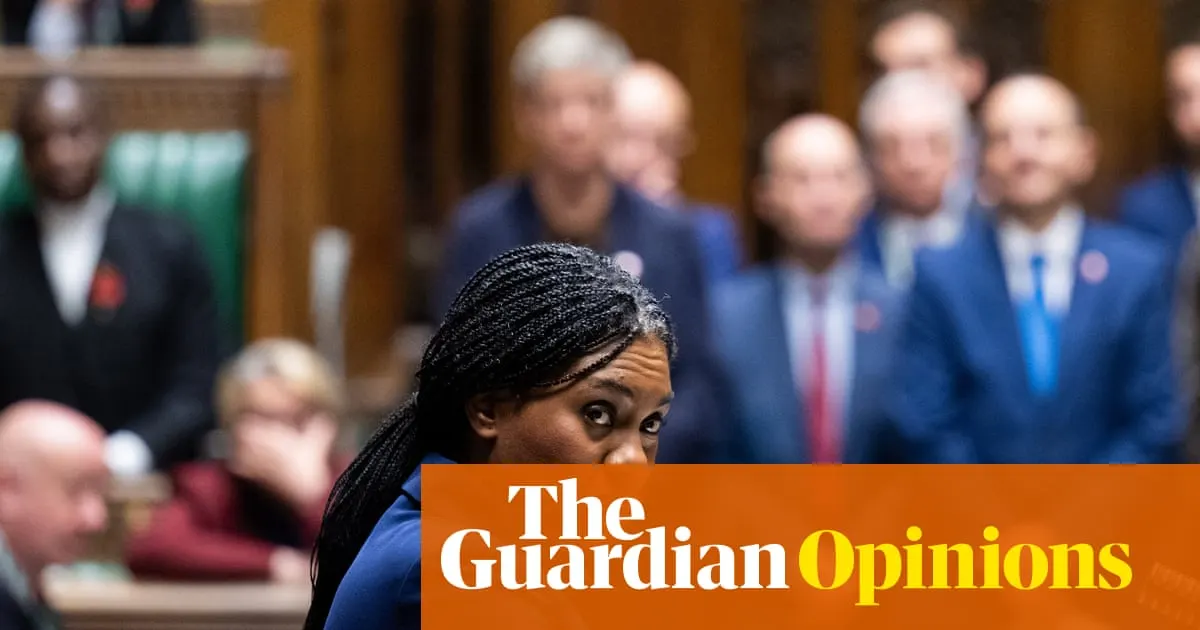
The editorial argues that British political debate about welfare relies too often on stereotypes about benefit claimants. It says Kemi Badenoch’s claim that the system discourages work and rewards exaggerated health problems is misleading, especially her comparison with double amputees who run marathons.
The Office for Budget Responsibility forecasts welfare spending to rise from £353bn this year to £431bn in 2032, equivalent to growth of 0.2% to 0.5% of GDP over five years. The Conservatives propose £36bn in cuts to working-age benefits, though the Institute for Fiscal Studies says the projected savings are uncertain; the government is awaiting reviews on youth unemployment and personal independence payments, while Andy Burnham favours investing in skills.
In short
- Welfare spending is rising, but the editorial says claims it is out of control are overstated.
- Badenoch’s proposed £36bn in benefit cuts relies on savings the IFS calls uncertain.
- The government is reviewing youth unemployment and personal independence payments.
Steelman: both sides, in good faith
The strongest fair case each way — we don't pick a winner.
The case for
Advocates of tighter welfare rules argue that spending is forecast to rise substantially in cash terms, so government should examine whether support is well targeted and financially sustainable. They contend that benefit design can affect incentives to work, and that reviewing eligibility and employment support could protect public funds while helping people who can work into jobs.
The case against
Critics argue that rising spending reflects need and should not be treated as evidence of widespread abuse or unwillingness to work. They say stereotypes, such as comparing claimants with exceptional athletes who have disabilities, distort debate and risk harming people with genuine health limitations; uncertain savings from large cuts also make investment in skills and tailored support a more credible response.
Explained simply
Welfare benefits are payments that help people with living costs when they are out of work, on low incomes or have a disability or health condition. Some support is means-tested, while Personal Independence Payment is intended to help with extra costs linked to disability; receiving it does not depend on being out of work.
The debate involves political parties, benefit claimants and public bodies that assess the system. The Conservatives have proposed reducing working-age benefits, while the government is reviewing support for young people and disability benefits; the Office for Budget Responsibility forecasts that welfare spending will rise over time.
The argument matters because changes can affect people’s income and ability to work, as well as public spending and the wider economy. Claims about who receives benefits and why are part of decisions about how support should be designed and funded.