Culture news and discussion on TalkFuse.
Bronze leg found in Scottish bog sheds new light on Roman occupation
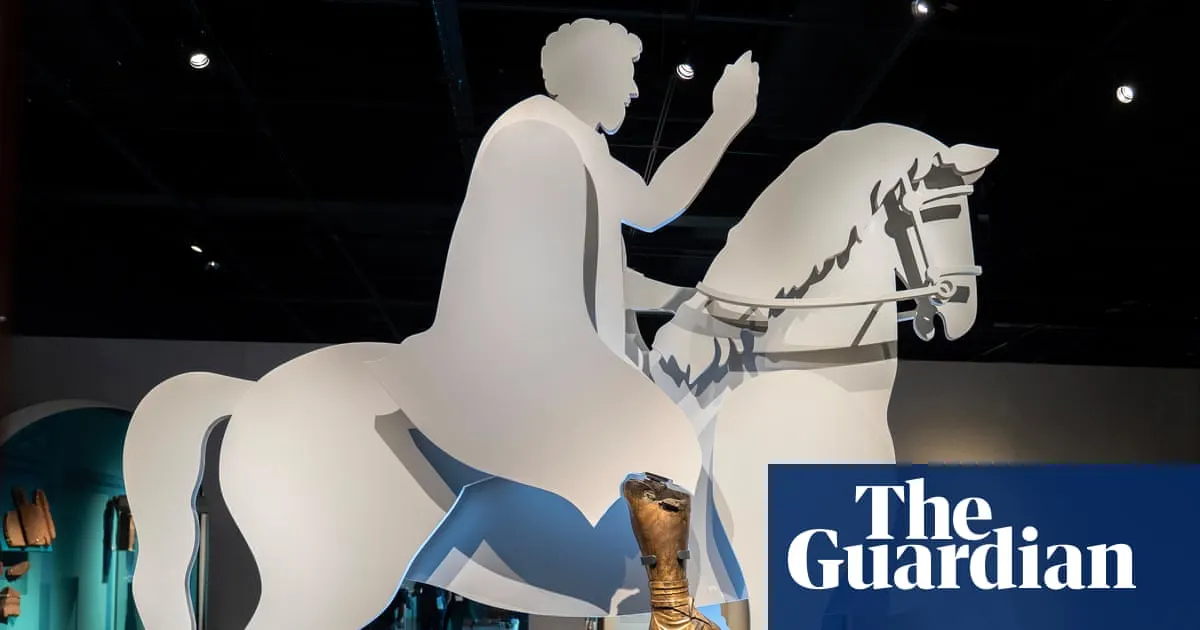
Archaeologists now believe a large gilded bronze leg found in a Scottish bog in 1820 came from a statue of Emperor Antoninus Pius erected near Hawick around AD140. The discovery challenges the earlier view that the limb was looted from elsewhere and points to a stronger Roman presence north of Hadrian’s Wall.
The leg is the centrepiece of a major exhibition opening at the National Museum of Scotland in Edinburgh, alongside artefacts from the Roman site at Inveresk. Curators estimate that about 10,000 troops and a similar number of camp followers lived across southern and eastern Scotland during the Antonine period, AD142 to 165. The display also features a decorated bowl, carved altars from a Mithras temple and a carefully buried horse skeleton.
In short
- A bronze leg may come from an imperial statue near Hawick.
- The find suggests Roman influence in Scotland was substantial.
- New exhibition presents artefacts from the Antonine period.
Steelman: both sides, in good faith
The strongest fair case each way — we don't pick a winner.
The case for
If the leg came from a statue erected near Hawick, it suggests Roman authority and public display reached further north than previously recognised. The estimated scale of the military and civilian presence, together with finds from Inveresk, supports the case that Roman occupation shaped life across a substantial part of Scotland.
The case against
The leg’s original location and purpose remain an archaeological interpretation of a find made in 1820, so it may not by itself establish how extensive Roman control was. Artefacts and estimates of troops and camp followers can indicate a significant presence without proving that Roman authority was equally strong or lasting across the region.