World news and discussion on TalkFuse.
Lax checks and union apathy kept the accused jogger killer in NYC kids’ classrooms
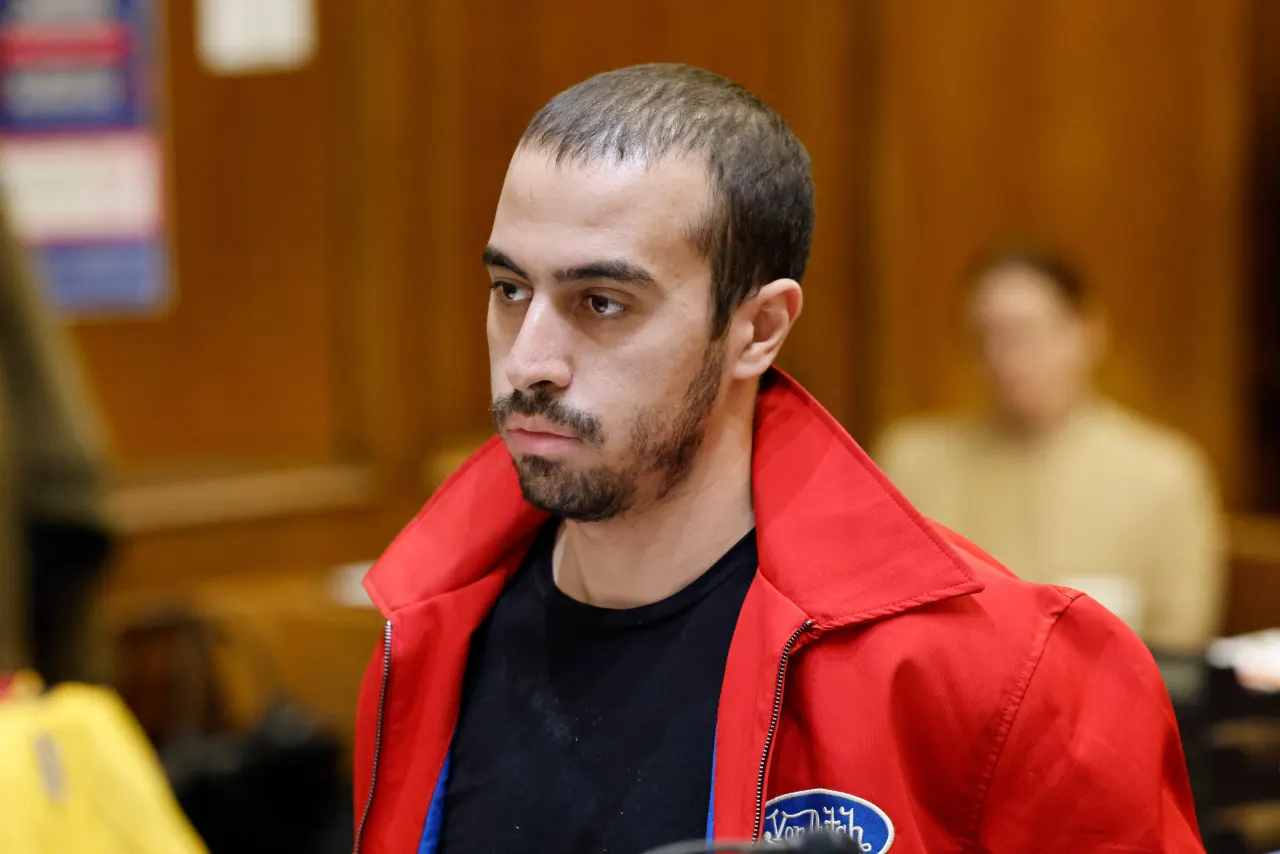
Ten colleagues at Brooklyn’s PS 200 reportedly raised concerns about paraprofessional Sayed Mohassib’s behaviour, but administrators and union officials dismissed or minimised their warnings. Mohassib has since been indicted for the second-degree murder of jogger Katie Suarez, prompting questions about how New York City’s school system screens and monitors staff who work with children.
The article says Mohassib left a city education job for the NYPD in 2022, then the Marines, which discharged him as psychologically unfit; the NYPD later rejected his request to return and sent him to Bellevue Hospital. The Department of Education rehired him as a substitute paraprofessional for 2023–24 and renewed his eligibility in later years, despite rules allowing checks of past employment and military service. The piece argues that annual renewals do not require evaluations, schools must report safety incidents within one school day, and the teachers’ union could have escalated staff concerns.
In short
- Colleagues reportedly raised repeated warnings about Mohassib.
- He was indicted over the killing of Katie Suarez.
- The article questions hiring checks and workplace reporting.
Steelman: both sides, in good faith
The strongest fair case each way — we don't pick a winner.
The case for
The case for stronger screening and follow-up is that schools have a duty to protect children, and reported concerns from multiple colleagues should be assessed carefully rather than dismissed. If relevant employment or service records were available and existing rules allowed them to be checked, reviewing them and requiring meaningful evaluations at renewal could help identify risks earlier; clear routes for staff and union officials to escalate safety concerns would also matter.
The case against
A fair assessment should distinguish what was knowable at the time from what became apparent after the murder indictment: a prior discharge or hospital referral does not by itself establish that someone is dangerous or unfit to work in a school. Screening must be accurate, relevant and consistent with privacy and fair employment, while reported concerns need investigation rather than automatic exclusion; unclear reporting rules or unverified warnings may also make responsibility harder to assign than the headline suggests.