World news and discussion on TalkFuse.
LAUSD locks in $100M a year for black student program — even as feds probe whether it discriminates by race
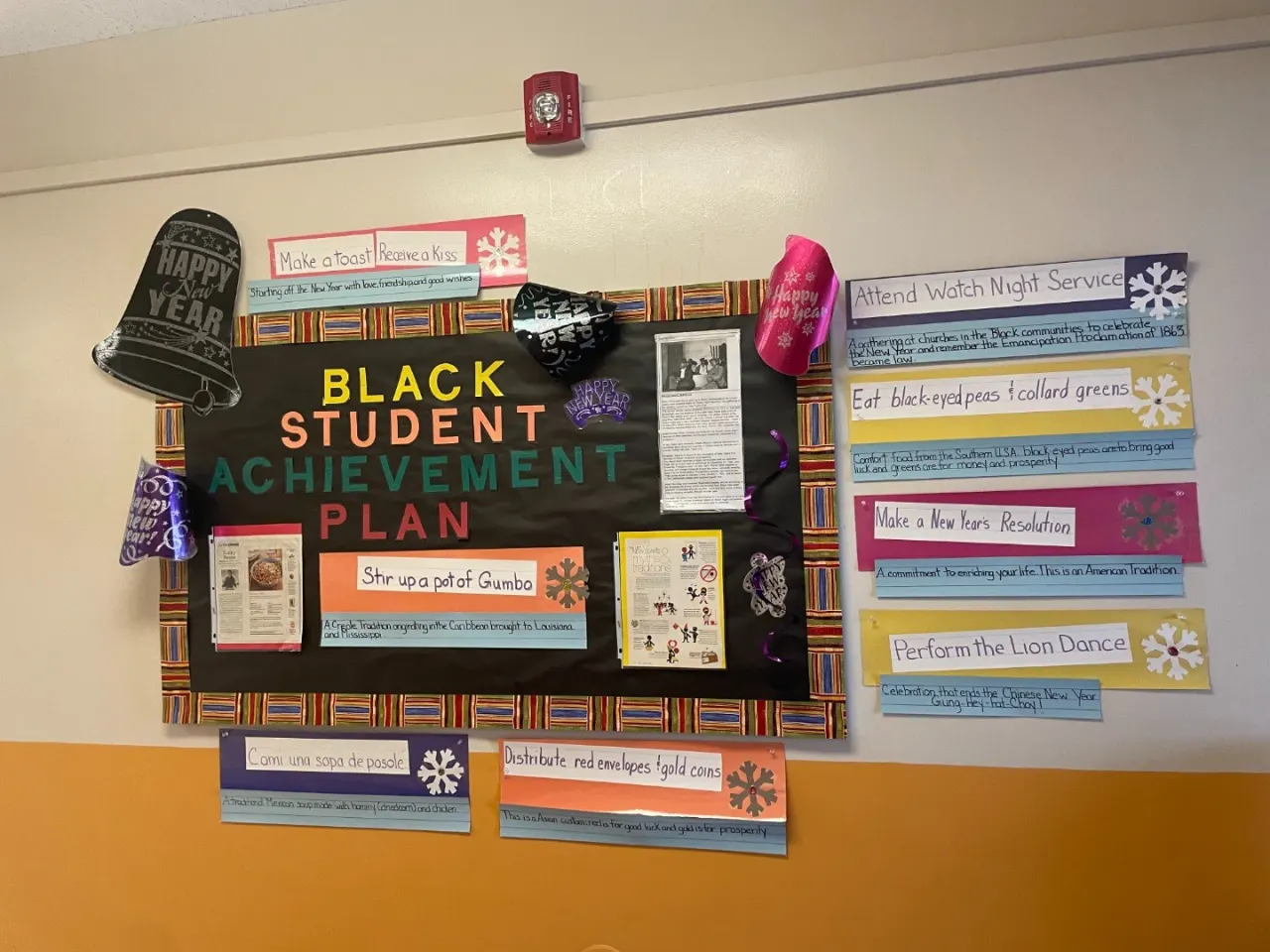
The Los Angeles Unified School District board voted to preserve $100 million a year for its Black Student Achievement Plan in each of the 2027-28 and 2028-29 school years. The decision protects the programme from proposed cuts while the US Department of Education investigates whether it unlawfully directs support according to students’ race.
The funding is higher than the previously proposed $75 million for 2027-28, with no funding planned for the following year, as the district faces projected shortfalls of $1.3 billion and $3.6 billion respectively. The investigation began after a 2023 complaint, was closed when the district said it had adopted race-neutral criteria, then reopened in April 2026 following a challenge from Defending Education. Critics say the programme discriminates against non-Black students; supporters argue targeted support addresses longstanding educational disparities and benefits more students.
In short
- LAUSD will fund its Black Student Achievement Plan at $100 million annually for two years.
- Federal officials are investigating whether the programme discriminates by race.
- The district faces projected deficits of up to $3.6 billion.
Steelman: both sides, in good faith
The strongest fair case each way — we don't pick a winner.
The case for
Supporters can argue that persistent educational disparities warrant sustained, focused investment, and that the programme’s services may help a wider group of students while improving outcomes for Black pupils. Preserving funding for two years also gives schools continuity to address these needs, even amid difficult budget choices.
The case against
Critics can argue that public support should be allocated by individual need rather than race, and that programmes directing resources according to race may unfairly exclude other disadvantaged students or conflict with legal requirements. With substantial projected shortfalls, they may also question committing $100 million annually while the programme’s legality and effectiveness remain under scrutiny.