World news and discussion on TalkFuse.
Tehran will strike US bases in Europe if used to attack Iran, security chief says
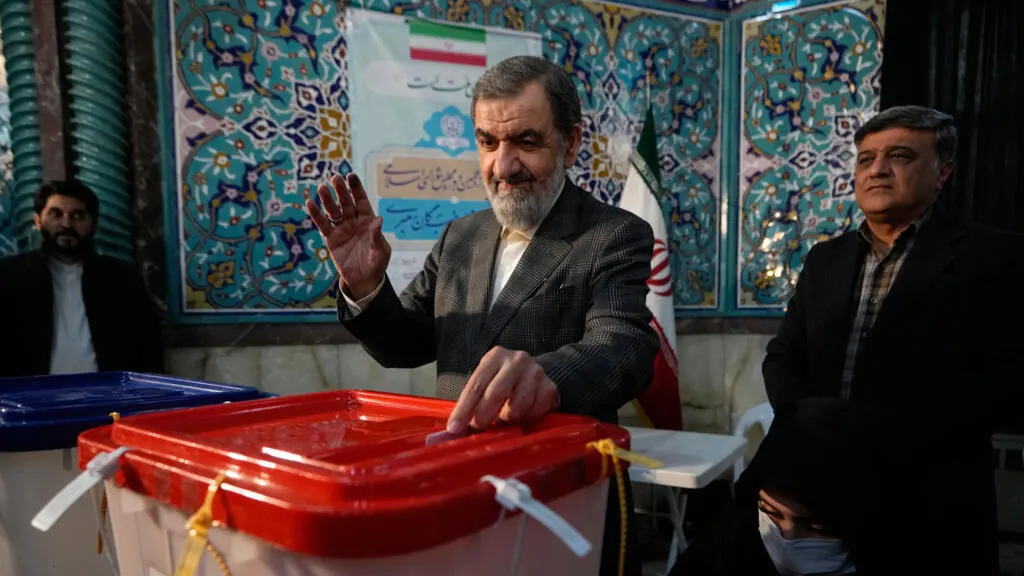
Iranian security chief Mohsen Rezaei has threatened that Iran would strike US military bases outside the Middle East, including in Europe, if they were used to launch attacks on Iran. The warning signals a possible widening of the conflict and raises the stakes for countries hosting US forces.
Rezaei said Iran could also target more distant installations and islands it believes are within missile range, but did not name specific sites. The war began on 28 February with US-Israeli strikes that killed Supreme Leader Ayatollah Ali Khamenei; Iran then attacked countries in the region hosting US military assets. Qatar and Pakistan are pursuing diplomacy, while Tehran has tied reopening the Strait of Hormuz to demands including sanctions relief and the release of frozen assets.
In short
- Iran threatened US bases in Europe if used to attack Iran.
- Rezaei also warned of strikes on distant installations and islands.
- Diplomacy continues as Tehran links Hormuz reopening to concessions.
Steelman: both sides, in good faith
The strongest fair case each way — we don't pick a winner.
The case for
Iran could argue that any base used to launch attacks on its territory becomes part of the military operation, and that warning host countries in advance may deter further strikes and reduce surprise. From this perspective, threatening a response is intended to protect Iranian sovereignty and strengthen its position in negotiations.
The case against
Host countries and Iran’s critics could argue that threatening strikes on bases in Europe risks drawing uninvolved states and civilians into a wider war, especially when no specific sites or limits are given. They may also see the warning as escalatory and as weakening diplomacy by making retaliation more likely, even where a host country has not authorised attacks on Iran.
Explained simply
Iran is a country in the Middle East whose government has long opposed the United States and Israel. The US keeps military bases in several countries, including some outside the Middle East, and those bases support its forces and operations.
The conflict followed US and Israeli strikes on Iran and Iran’s attacks on countries in the region that host US military forces. Iran is led by a Supreme Leader, while its security chief speaks on national security matters; the Strait of Hormuz, a vital route for global oil shipments, is also central to tensions.
The dispute matters to countries that host US forces and to international trade, especially if fighting spreads or shipping through the Strait of Hormuz is disrupted. Qatar and Pakistan have been pursuing diplomacy.
Americas Elections Europe Government Middle East Politics World