Politics news and discussion on TalkFuse.
Trump and Netanyahu, again
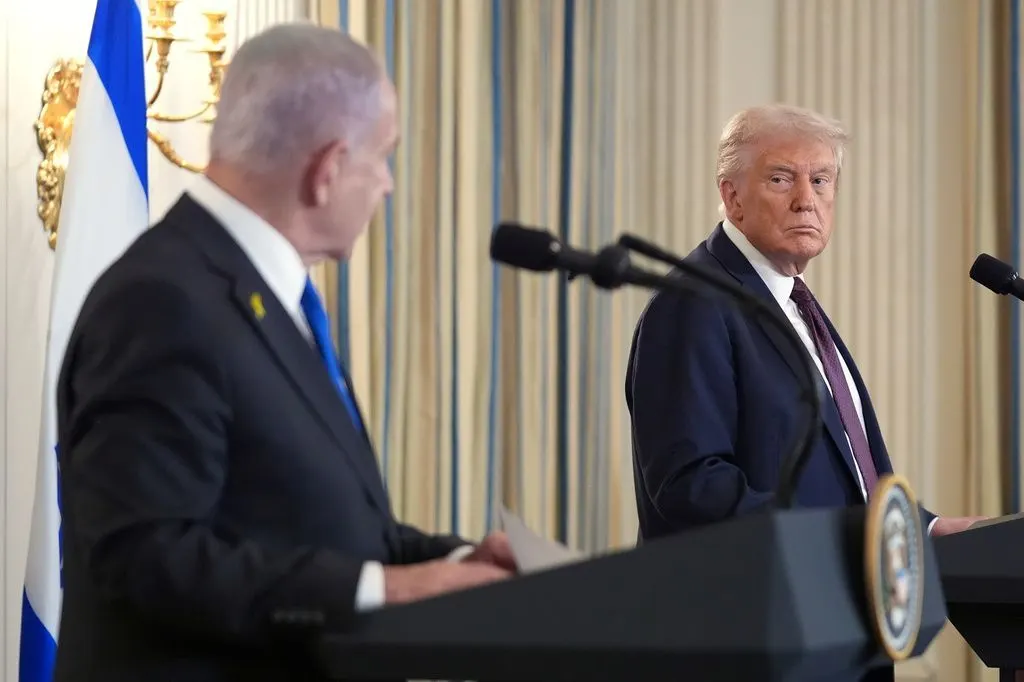
Reports say Donald Trump and Benjamin Netanyahu had a troubled phone call about Iran last weekend, amid a recurring disagreement over whether to resume major combat. Netanyahu is pressing for renewed strikes, while Trump favours continuing a US blockade and economic pressure, highlighting tensions between the allies over how to pursue the war.
An account in a book by reporters Jonathan Swan and Maggie Haberman describes Netanyahu urging Trump and senior US officials in February to attack Iran, predicting a swift victory and possible regime change. The next day, CIA Director John Ratcliffe reportedly called Netanyahu’s scenario “farcical”, while other officials voiced strong doubts. Trump nonetheless chose to proceed, and the war began on 28 February; the article says it had not delivered the expected success after nine months.
In short
- Trump and Netanyahu reportedly differ over renewed strikes on Iran.
- Netanyahu had urged a joint attack, according to a book account.
- Trump proceeded despite US officials’ reported doubts.
Steelman: both sides, in good faith
The strongest fair case each way — we don't pick a winner.
The case for
Netanyahu’s case for renewed strikes is that Iran may use any pause to rebuild military capabilities and threaten Israel, so continued pressure could prevent a more dangerous conflict later. He may also judge that a blockade and economic measures alone will not achieve the war’s security objectives, and that decisive action now offers a chance to weaken Iran’s capacity or leadership.
The case against
Trump’s preference for maintaining the blockade and economic pressure reflects concern that renewed major combat could widen the war, increase casualties and costs, and fail to produce a durable political outcome. Given officials’ reported doubts about predictions of a swift victory and the lack of expected success so far, restraint may preserve leverage while avoiding an escalation whose consequences are hard to control.
Explained simply
The United States and Israel are close allies, but they do not always agree on how to deal with Iran. Iran’s government is a long-standing rival of both countries, and the conflict has involved military action as well as economic sanctions and other pressure.
Donald Trump is the US president, while Benjamin Netanyahu is Israel’s prime minister. Decisions about military action can affect both countries and the wider region, but each government weighs the risks and likely results in its own way.
The dispute matters because renewed fighting could widen the conflict and bring further costs and risks for people across the region. The United States also has influence through its military role and economic measures, making its choices important to Israel and Iran alike.
Government Middle East Politics World