Politics news and discussion on TalkFuse.
Blue states elect Democrats who supported permanent cash handout policy as part of mayors coalition
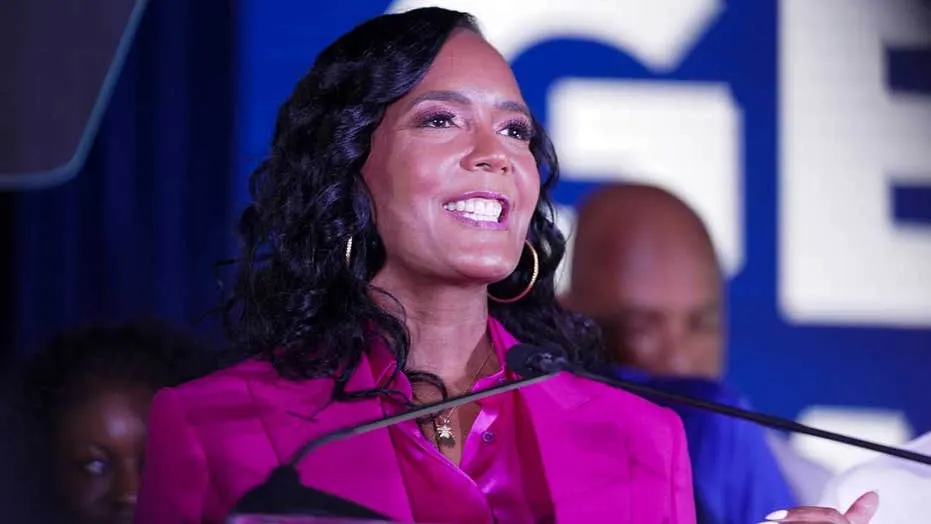
Five former members of the Mayors for a Guaranteed Income coalition and officials from partner groups won higher office in the midterm elections, while voters approved several direct-cash ballot measures. The results give advocates for guaranteed income more elected allies as they press for permanent programmes, though the article notes questions about how local governments would pay for them.
The most prominent win was Keisha Lance Bottoms, a coalition founder and former Atlanta mayor, who was elected governor of Georgia. Two current coalition members won seats in the US House, and two members of its county-level sister network also advanced to higher office. The coalition says more than 100 pilot schemes have launched since 2018, with some offering eligible residents up to $1,000 a month; Cook County, Illinois, allocated $7.5 million for its programme in its 2026 budget after federal pandemic funding expired.
In short
- Guaranteed-income advocates gained several elected allies.
- Keisha Lance Bottoms won Georgia’s governorship.
- Local programmes face questions over long-term funding.
Steelman: both sides, in good faith
The strongest fair case each way — we don't pick a winner.
The case for
Supporters argue that guaranteed income can give people facing poverty or unstable work the flexibility to meet their most urgent needs, while pilot programmes offer a way to assess its effects. They see newly elected allies and voter-approved cash measures as a mandate to make successful schemes permanent, and argue that local investment can help residents even after temporary federal funding ends.
The case against
Critics argue that recurring cash payments could strain local budgets, particularly when temporary funding has expired, and that the article leaves open how permanent programmes would be paid for. They may also question whether limited pilot schemes provide enough evidence to justify expanding them, or whether public money would achieve more through targeted services or other anti-poverty measures.