Business news and discussion on TalkFuse.
UK economy grows by 0.7% in third quarter despite high oil prices
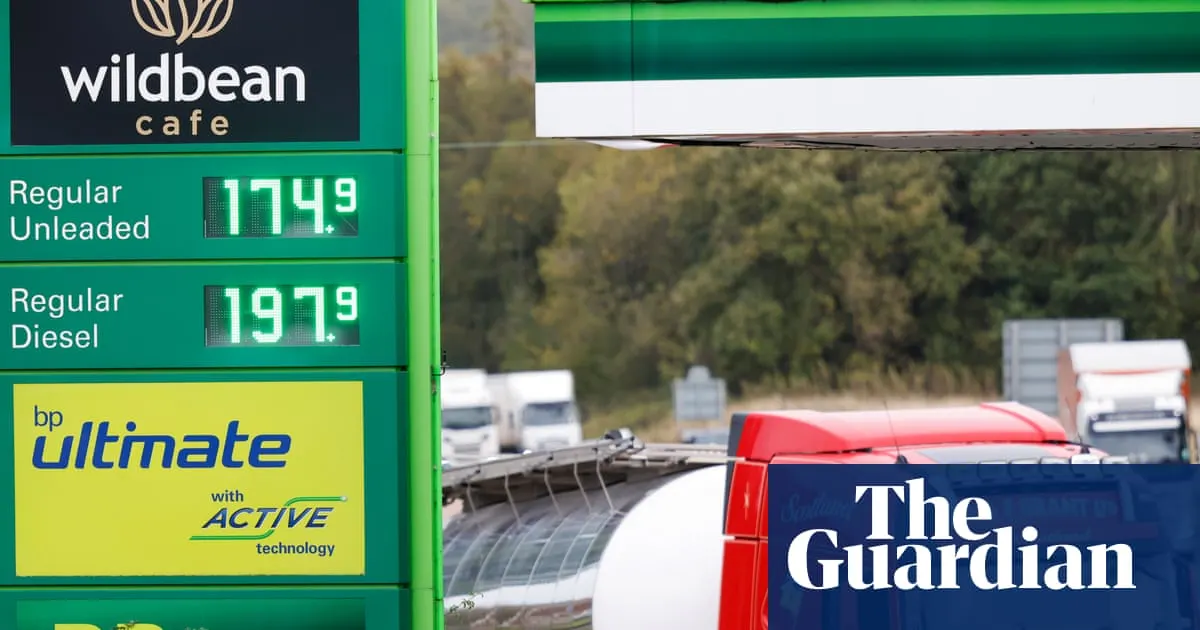
The UK economy grew by 0.7% in the third quarter, as households and businesses proved resilient despite a sharp rise in oil and gas prices. Growth in September was stronger than economists had expected, offering a boost to Chancellor John Healey, although the figures show energy costs had weighed on expansion.
The Office for National Statistics said monthly GDP rose 0.2% in September, while August growth was revised down from 0.1% to zero. Oil exceeded $100 a barrel in September, and natural gas prices were about three times their February level; petrol in the UK rose above £1.70 a litre and diesel approached £2. The Office for Budget Responsibility had forecast 1.2% growth for the year, while the Bank of England recently raised interest rates by a quarter-point to 4% to curb inflation.
In short
- GDP grew 0.7% in the third quarter.
- September growth was 0.2%, above expectations.
- High energy costs and inflation remain concerns.
Steelman: both sides, in good faith
The strongest fair case each way — we don't pick a winner.
The case for
The 0.7% quarterly growth suggests households and businesses continued to spend and invest despite a steep rise in energy costs, while September’s stronger-than-expected result offers some reassurance about economic resilience. Supporters may argue that this provides a firmer footing for the government and that controlling inflation through higher interest rates can protect purchasing power over time.
The case against
The growth figure may overstate how comfortable the outlook is: August was revised to no growth, energy prices were weighing on expansion, and the annual forecast remained modest. Critics may argue that higher fuel and heating costs squeeze household budgets and business margins, while raising interest rates adds to borrowing costs and risks further weakening demand.
Explained simply
Gross domestic product, or GDP, measures the value of goods and services produced in the UK. Quarterly growth gives a broad picture of whether activity is expanding, while monthly figures can show shorter-term changes.
Households and businesses are affected by energy prices because fuel and gas are used in transport, heating and production. Higher costs can leave people with less to spend and make it more expensive for firms to operate.
The Office for National Statistics produces the GDP figures. The Treasury, led by Chancellor John Healey, sets tax and spending plans, while the independent Office for Budget Responsibility makes forecasts and the Bank of England sets interest rates to help control inflation.