World news and discussion on TalkFuse.
EU purchases of Russian Yamal LNG rise to over $9 billion in 2026, despite October dip
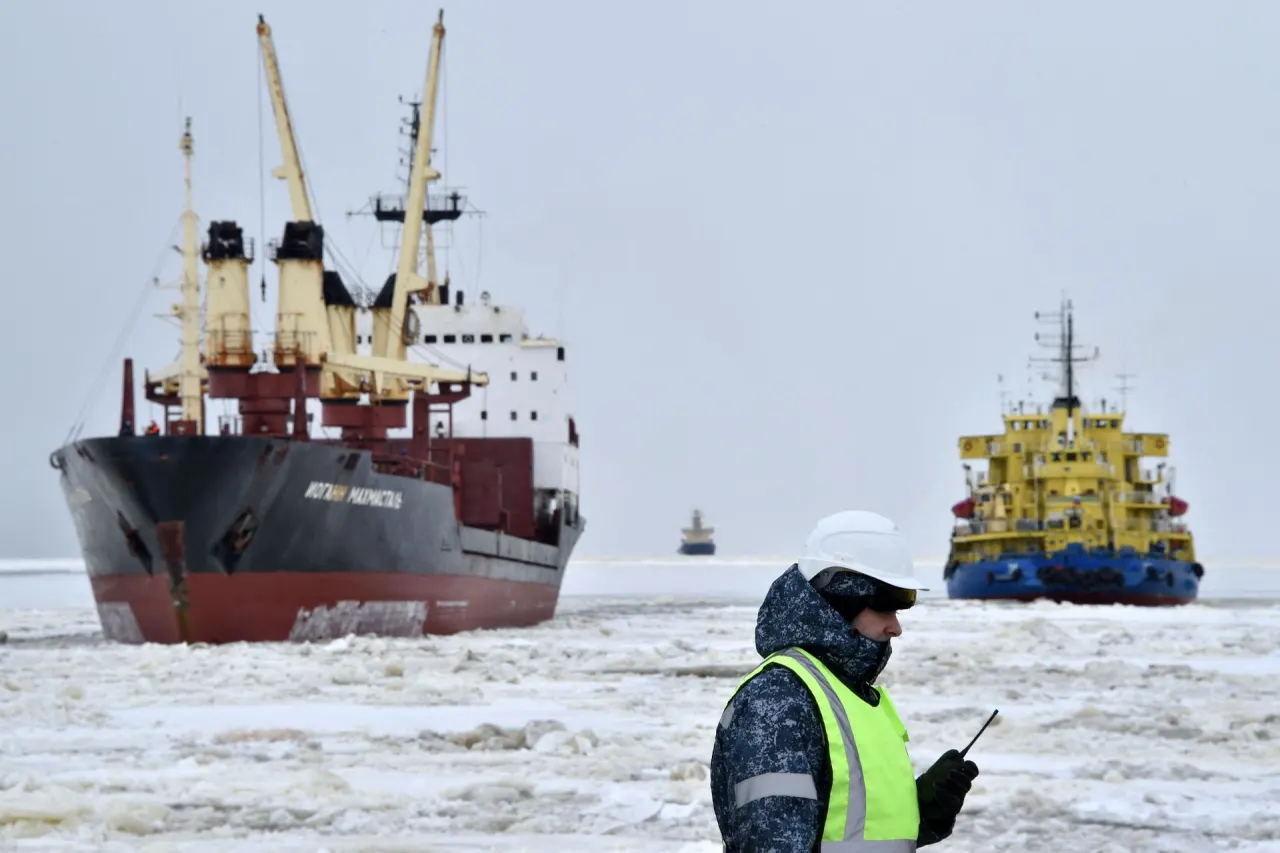
The EU paid about €8.7 billion ($9.6 billion) for Russian Yamal liquefied natural gas in the first ten months of 2026, already more than a fifth above its total spending for all of 2025. The increase comes as the bloc prepares to ban Russian gas imports in January, a measure intended to reduce its reliance on Russian energy and limit revenue for the Kremlin.
In October, EU purchases fell 11% by volume from September to 705,591 tonnes, but payments rose 2.6% as prices increased. France received 70% of the month’s EU cargoes, with seven shipments; Spain received two and the Netherlands one, while no deliveries were reported at Belgium’s Zeebrugge terminal from August to October. The EU remains Russia’s leading LNG buyer, accounting for almost half of its exports, according to the Centre for Research on Energy and Clean Air.
In short
- EU spending on Yamal LNG reached €8.7 billion by October.
- October volumes fell, but higher prices lifted payments.
- The EU’s Russian gas import ban is due in January.
Steelman: both sides, in good faith
The strongest fair case each way — we don't pick a winner.
The case for
Continuing to buy Yamal LNG while a ban is being prepared can be defended as a way to meet current energy needs and avoid abrupt supply gaps or price shocks before alternative sources are ready. The planned ban sets a clear endpoint, while existing purchases may reflect contracts and the practical limits of changing supply routes quickly.
The case against
The purchases can be seen as undermining the EU’s stated aim of reducing dependence on Russian energy and limiting revenue for the Kremlin. With EU buyers taking almost half of Russia’s LNG exports, continued spending above last year’s total may sustain that revenue and weaken the credibility of the planned ban.
Explained simply
Yamal LNG is liquefied natural gas produced on Russia’s Yamal Peninsula, shipped by sea in tankers. The European Union has bought Russian gas for years, while working to reduce its dependence on Russian energy.
The EU’s planned ban on Russian gas imports is part of that effort and is intended to curb the income Russia earns from energy sales. LNG is delivered to individual ports and countries, so EU purchases can be concentrated in a few member states even when they are counted across the bloc.
The issue matters because European countries are balancing energy supply with the aim of reducing reliance on Russia. Changes in cargo volumes and prices can affect how much the EU pays, while the timing and scope of the planned ban shape how long imports may continue.