Entertainment news and discussion on TalkFuse.
The chaos that took Carrick from two-year deal to sacked within 15 games
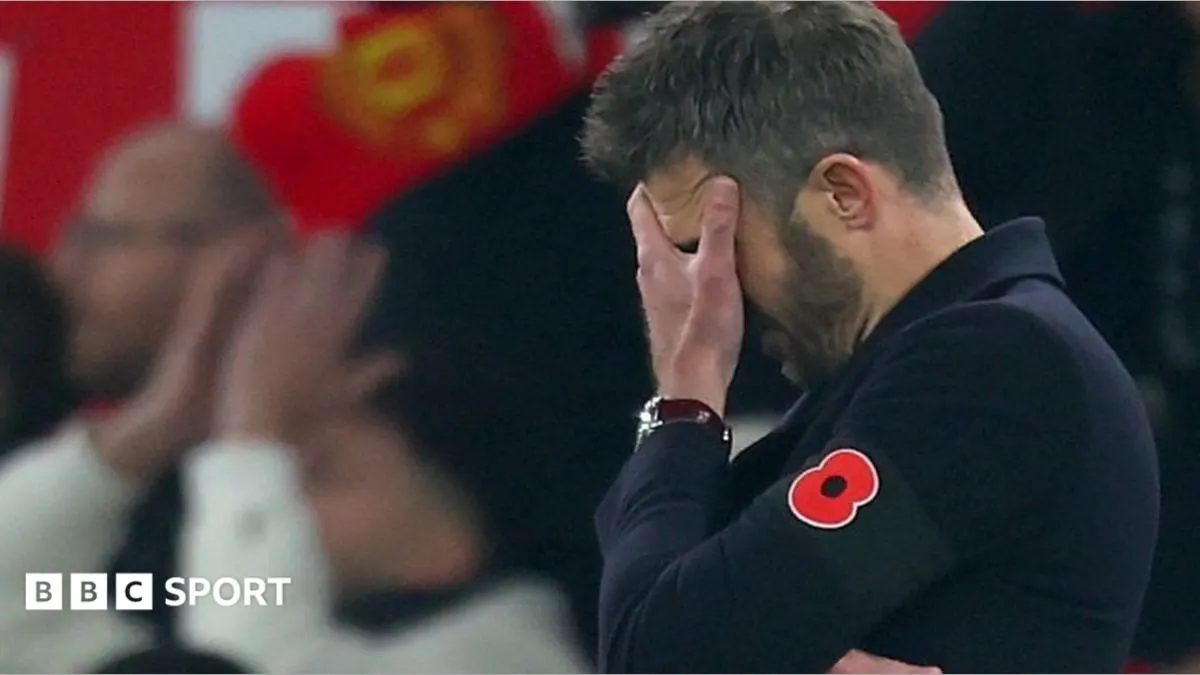
Michael Carrick has been sacked as Manchester United manager after a turbulent run of three league games, despite a dramatic 4-4 draw with Aston Villa. The decision contrasts with last season, when he led United to 12 wins in 17 matches and a return to the Champions League, and marks a third consecutive season in which the club has changed managers mid-season.
The article describes a spell of sharp swings in form: United lost 2-0 at Chelsea after a red card, came from two goals behind to beat Roma 3-2, then twice fought back from two goals down against Villa. Carrick’s options were affected by injuries to Benjamin Sesko and Amad Diallo, while the tactical fit between Matheus Cunha and Bruno Fernandes was also a concern. Senior club figures decided the recent performances showed Carrick was not the right person for the job.
In short
- Carrick was dismissed after 15 games in charge.
- United salvaged a 4-4 draw with Villa.
- His previous spell brought 12 wins in 17 matches.
Steelman: both sides, in good faith
The strongest fair case each way — we don't pick a winner.
The case for
The club can argue that a manager must be judged on whether the team is developing a reliable approach, not only on past results or entertaining comebacks. If senior figures saw recurring tactical problems and performances that suggested Carrick could not make the squad consistently competitive, changing course early may have seemed better for the club’s prospects than waiting.
The case against
Carrick’s supporters can argue that dismissing him after only three league games disregards his record of 12 wins in 17 matches last season and the injuries that limited his options. The recent run included a win after falling two goals behind and a spirited draw, while repeated mid-season changes risk undermining continuity and making it harder for any manager to build a team.
Explained simply
Manchester United are one of England’s most successful football clubs, but they have changed managers repeatedly in recent seasons as they have tried to regain consistent results. A manager oversees the team’s selection, tactics and training, and is judged both on performances and on longer-term progress.
Michael Carrick, a former United player, had earned a longer contract after a strong spell in charge last season, when the team won 12 of 17 matches and qualified for the Champions League. The club’s decision-makers must weigh that record against more recent results, as well as whether the squad and playing style are working together.
The latest change matters because it is the third season in a row that United have replaced a manager during the campaign. Frequent changes can affect planning, player roles and recruitment, while the club also faces pressure to compete in England and Europe.