World news and discussion on TalkFuse.
British toymaking couples who say they lost £90m when US toy giant launched ‘campaign’ to keep them out of major shops lose bid for massive payout
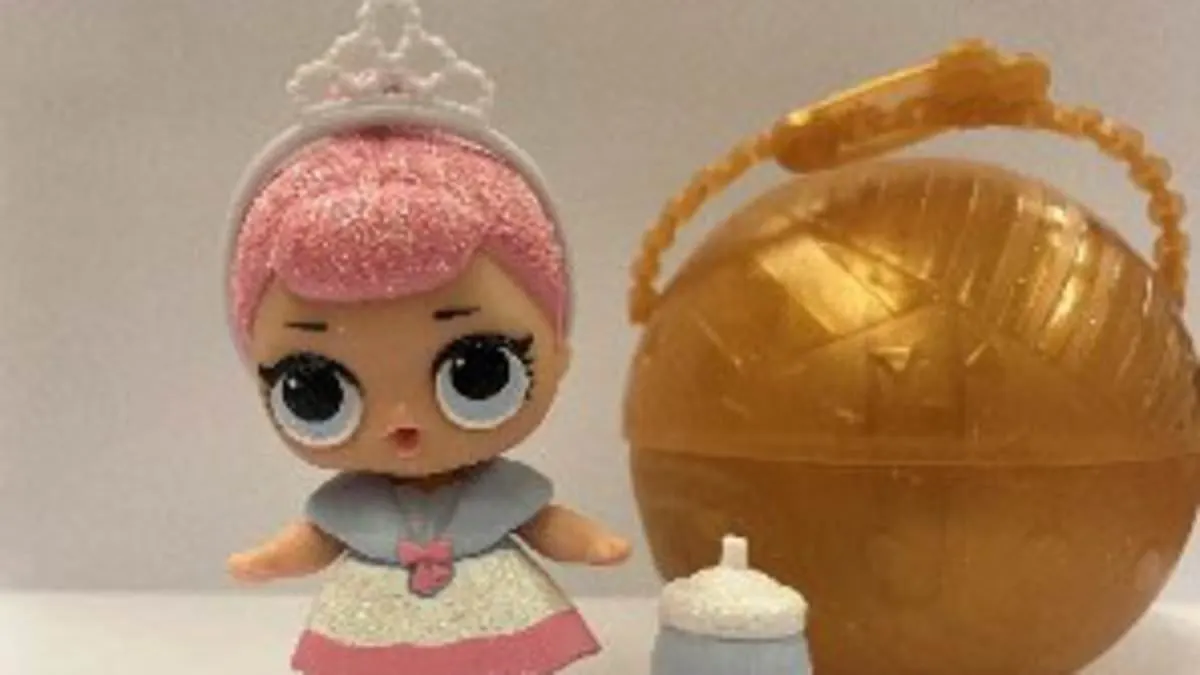
Four British entrepreneurs behind the Worldeez collectible toy have lost their appeal for compensation after a court found that US toy maker MGA had tried to keep their product out of major UK shops. The ruling matters because the High Court had already found MGA abused its dominant market position, yet concluded that the business would have failed even without that conduct.
The sisters Hayley Michaelson and Lauren Cohen, and their husbands, launched Worldeez with 120 figurines themed around eight countries, supported by online influencers and a planned TV advert. MGA threatened to withdraw its LOL Surprise toys from retailers that stocked Worldeez and alleged patent infringement; The Entertainer cancelled its order, while Smyths and Toys ‘R’ Us did not stock it. The range later sold through B&M, but sales fell and the business failed; its owners had sought damages of up to £90 million.
In short
- Toy founders lost their appeal for compensation.
- A court found MGA tried to exclude Worldeez from major shops.
- The judge concluded the business would have failed regardless.
Steelman: both sides, in good faith
The strongest fair case each way — we don't pick a winner.
The case for
The entrepreneurs can argue that MGA used the market power of a major toy brand to deter retailers from carrying a smaller competitor, and that the lost order and limited access to leading shops damaged Worldeez’s chance to establish itself. Even if the product faced commercial challenges, they may say the court should have compensated them for losses caused by conduct already found to be abusive.
The case against
MGA can argue that a finding of abusive conduct does not itself prove that the conduct caused the business’s failure or the losses claimed. The court concluded that Worldeez would have failed even without MGA’s actions, supporting the view that its product, sales prospects or business model could not have sustained the company and that a large payout was therefore unwarranted.
Americas Elections Politics UK World