Health news and discussion on TalkFuse.
Ozempic and Zepbound users face 6 rebound risks after stopping, doctor warns
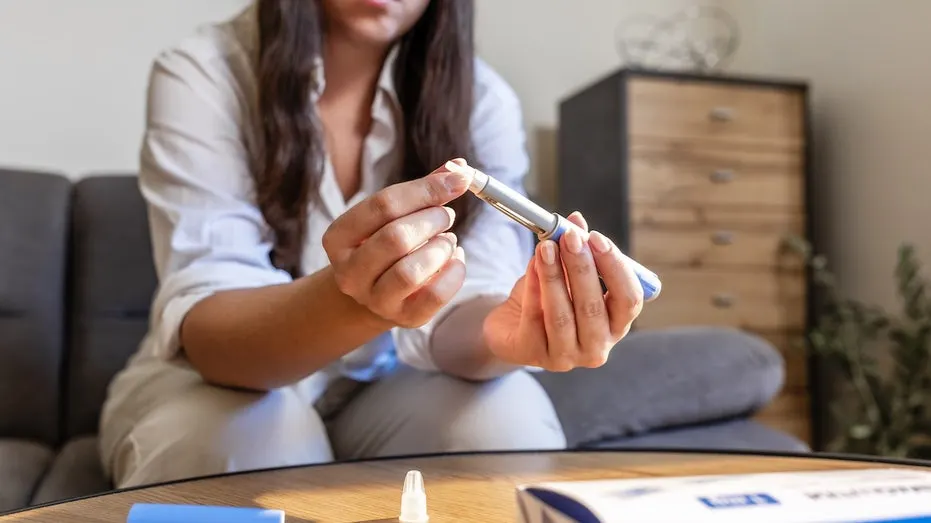
Doctors warn that stopping GLP-1 medicines such as Ozempic, Wegovy and Zepbound can bring back appetite and lead to weight regain, as well as reversing some health benefits. The risks matter because obesity and diabetes often need ongoing management, and many patients stop treatment within a year.
The article outlines six potential rebound risks, though the supplied text details only some of them: increased hunger and cravings, weight regain, worsening health markers, loss of cardiovascular protection and loss of muscle mass. In one semaglutide trial extension, participants regained about two-thirds of their lost weight within a year; in a tirzepatide trial, those switched to placebo regained more than half. Side effects, medical concerns and reluctance to take long-term medication can prompt people to stop, so the doctor advises discussing the decision with a physician.
In short
- Hunger and cravings may return after stopping GLP-1 treatment.
- Trial participants regained much of their lost weight.
- A doctor recommends discussing treatment changes with a physician.
Steelman: both sides, in good faith
The strongest fair case each way — we don't pick a winner.
The case for
Because obesity and diabetes often require ongoing management, continuing GLP-1 treatment may help maintain weight loss and health benefits. Trial extensions found substantial weight regain after treatment stopped, alongside concern that appetite may return and some health markers or cardiovascular benefits may worsen.
The case against
Stopping can be a reasonable choice when side effects, medical concerns, cost or a preference to avoid long-term medication outweigh the benefits for an individual. Treatment decisions should account for personal circumstances, and patients can discuss stopping or alternatives with their physician rather than assuming continued use is right for everyone.