World news and discussion on TalkFuse.
Bill Cosby accused of allegedly failing to pay $59M sexual assault damages: court docs
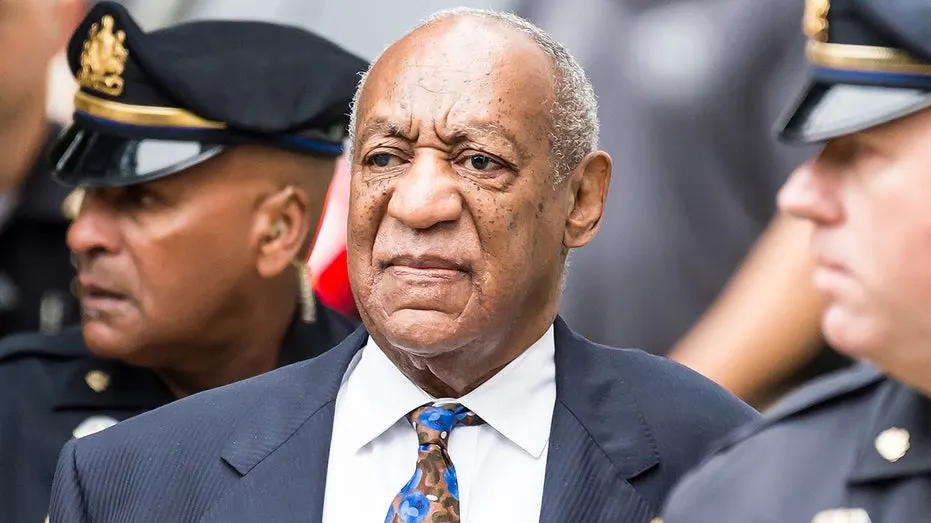
Donna Motsinger, who accused Bill Cosby of sexually assaulting her in 1972, has asked a judge to hold him in contempt, saying he has paid none of the $59.25 million a jury awarded her. Her filing also says Cosby failed to comply with an October order to answer questions about his assets and pay $1,560 in legal sanctions.
The possible legal consequences relate to his alleged failure to answer those questions, rather than simply owing a civil debt. Lawyers quoted in the article say a judge could issue a warrant if Cosby ignores a court order to appear for an examination, and could confine him until he responds; enforcing a warrant could be difficult if he is outside California. The damages included $40 million in punitive damages, $17.5 million for past mental trauma and $1.75 million for future suffering.
In short
- Motsinger says Cosby has paid none of the $59.25 million award.
- She alleges he ignored an October order about his assets.
- A warrant could relate to failing to answer the court, not unpaid debt.
Steelman: both sides, in good faith
The strongest fair case each way — we don't pick a winner.
The case for
Motsinger’s strongest case is that a civil damages award and subsequent court orders should be meaningful: if Cosby has paid nothing and has not answered questions about his assets or paid sanctions, a contempt finding could enforce the court’s authority and help establish whether he can satisfy the judgment. Any consequences would arise from failing to comply with orders, with an opportunity to respond to the required examination.
The case against
Cosby’s strongest case is that contempt should depend on proven, wilful non-compliance with clear orders, not simply on the unpaid judgment; the reported allegations are claims in a filing, and he should have a fair chance to explain or contest them. Enforcement should also account for practical limits on compelling someone who may be outside California, while keeping coercive measures proportionate to securing compliance.