Technology news and discussion on TalkFuse.
US workers are fighting to protect their jobs from AI – and winning
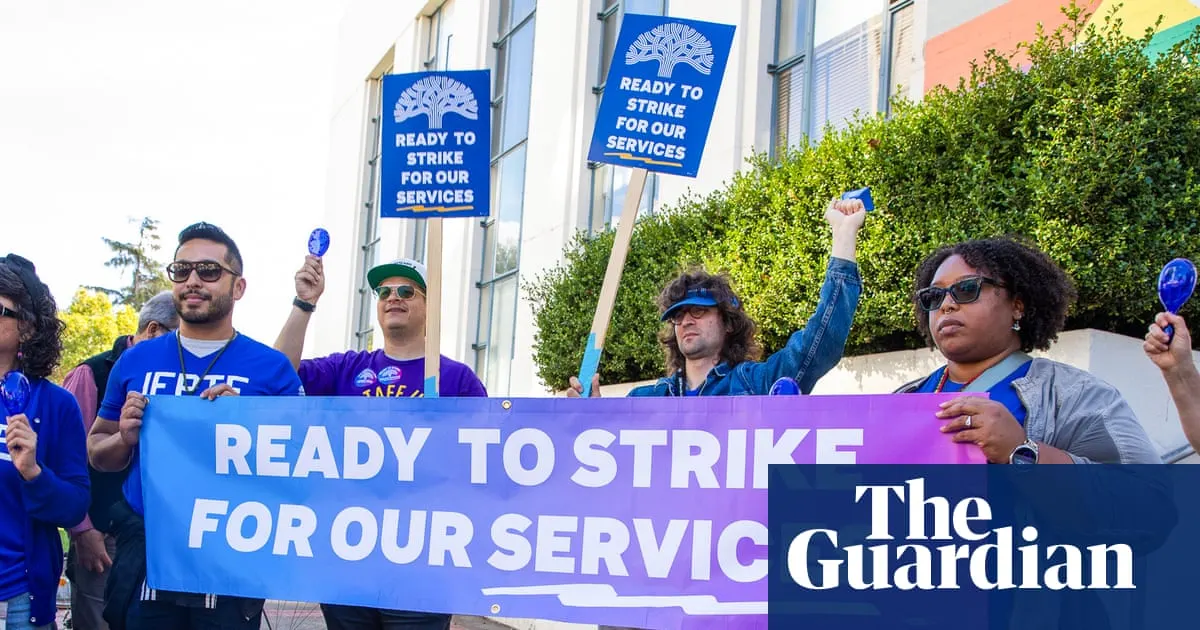
Workers and unions across the United States are bargaining for safeguards as public employers adopt AI, arguing that automated tools could threaten jobs, increase surveillance and unfairly assess staff. In Oakland, a union’s strong strike mandate helped secure a tentative agreement requiring the city to retrain or reassign workers displaced by AI, putting a planned strike on hold.
A survey conducted in July and August 2026 found that nearly 70% of state and local government agencies had adopted or were implementing generative AI. Unions are using contract negotiations to seek protections such as limits on monitoring and guarantees against AI-driven dismissals, while researchers warn that workplace systems can track activity and rank workers. Some protections are being won: California’s Communications Workers of America secured some AI safeguards in October 2026.
In short
- Oakland workers won proposed safeguards after authorising a strike.
- Nearly 70% of state and local agencies are adopting or implementing generative AI.
- Unions are negotiating protections against job loss and workplace monitoring.
Steelman: both sides, in good faith
The strongest fair case each way — we don't pick a winner.
The case for
Workers and unions have good reason to seek safeguards before public agencies adopt tools that could replace jobs, intensify monitoring or make consequential assessments without adequate human oversight. Bargaining can require retraining or reassignment for displaced staff and set clear limits on how AI is used, giving workers a voice while helping preserve fair treatment and public-service expertise.
The case against
Public agencies also have a responsibility to improve services and use public funds efficiently, and AI may help with routine tasks or support staff rather than replace them. Extensive contractual limits could make it harder to adopt useful tools or adapt them as they change; a reasonable alternative is to permit carefully monitored use while addressing specific risks through training, transparency and human review.
Explained simply
Artificial intelligence (AI) refers to computer systems that can perform tasks such as producing text or analysing information. US state and local government agencies are adopting these tools for public services and office work, prompting questions about how they may change staff roles and how workers are monitored or assessed.
Public-sector employees often negotiate working conditions through unions, which bargain with employers over contracts. As agencies introduce AI, unions are seeking rules on issues such as retraining, job reassignment, monitoring and whether automated assessments can affect staff. These negotiations matter because they may shape how public employers use AI and what protections workers have.
AI Americas Business Economy Government Politics Technology World