World news and discussion on TalkFuse.
Martin Lewis defends cold-weather tips after critics say they normalise fuel poverty
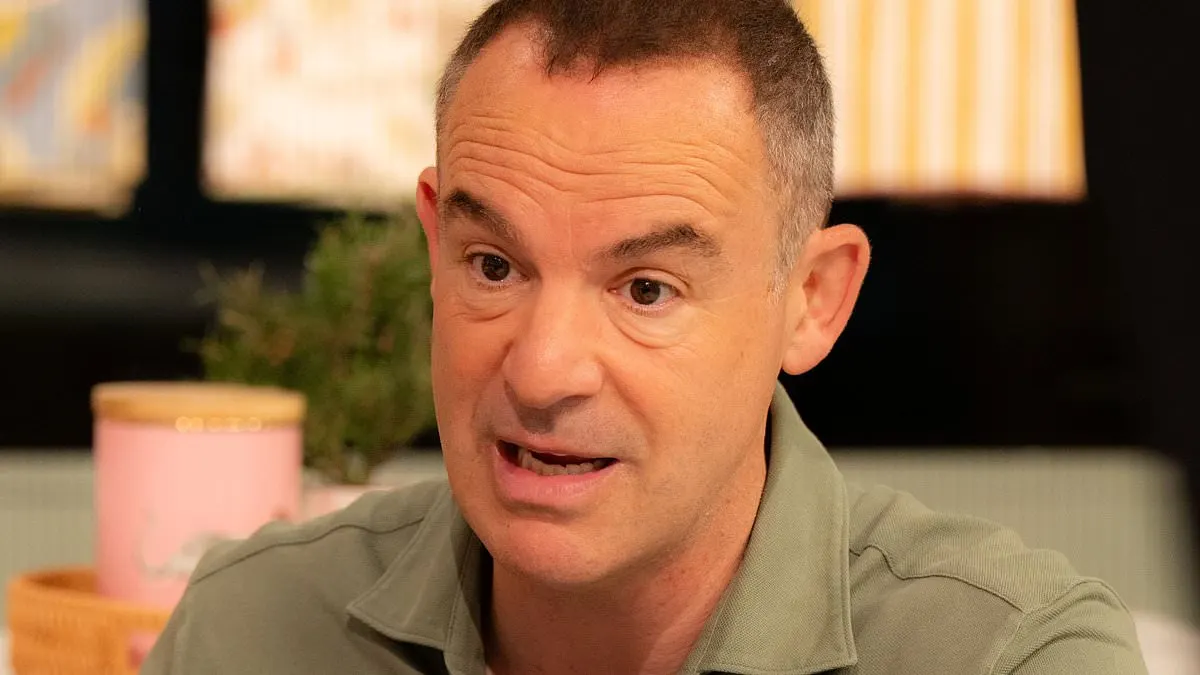
Martin Lewis defended his cold-weather advice after critics said suggestions such as heated gloves and electric blankets risked making fuel poverty seem normal. He said the tips were a last resort for people who could not afford to heat their homes, not a recommendation or a substitute for tackling high energy costs.
The MoneySavingExpert article also suggested wearing layers, eating at least one hot meal a day and using rugs or hot water bottles. Ofgem’s price cap rose by 4 per cent in October, and Cornwall Insight forecast a further 16 per cent rise to £1,999 a year from January, an increase of £276. The Government said it would ask Ofgem to remove standing charges in 2027 or as soon as possible afterwards, which could save 60 per cent of families £45 a year.
In short
- Lewis said his warmth tips were a last resort.
- Critics argued the advice normalised fuel poverty.
- Energy bills could rise by £276 in January.
Steelman: both sides, in good faith
The strongest fair case each way — we don't pick a winner.
The case for
Practical cold-weather tips can help people who cannot afford adequate heating stay safer and more comfortable while energy costs remain high. Framing them as a last resort, as Lewis did, may offer useful support without endorsing fuel poverty or replacing action to lower bills.
The case against
Even when intended as emergency advice, tips for coping in cold homes may make hardship seem like something individuals should manage themselves. Critics can argue that public attention should stay on unaffordable energy costs and the need for effective policy, rather than on adaptations that offer only limited relief.
Read the full article at the source →
Originally published by Daily Mail as “Martin Lewis faces backlash after advising Britons to keep warm this winter by buying heated gloves, hot water bottles and electric blankets amid rising energy bills”.