World news and discussion on TalkFuse.
Sydney couple were denied a tiny balcony over privacy fears. Now a huge extension is going up next door – and their neighbours didn’t even need council approval
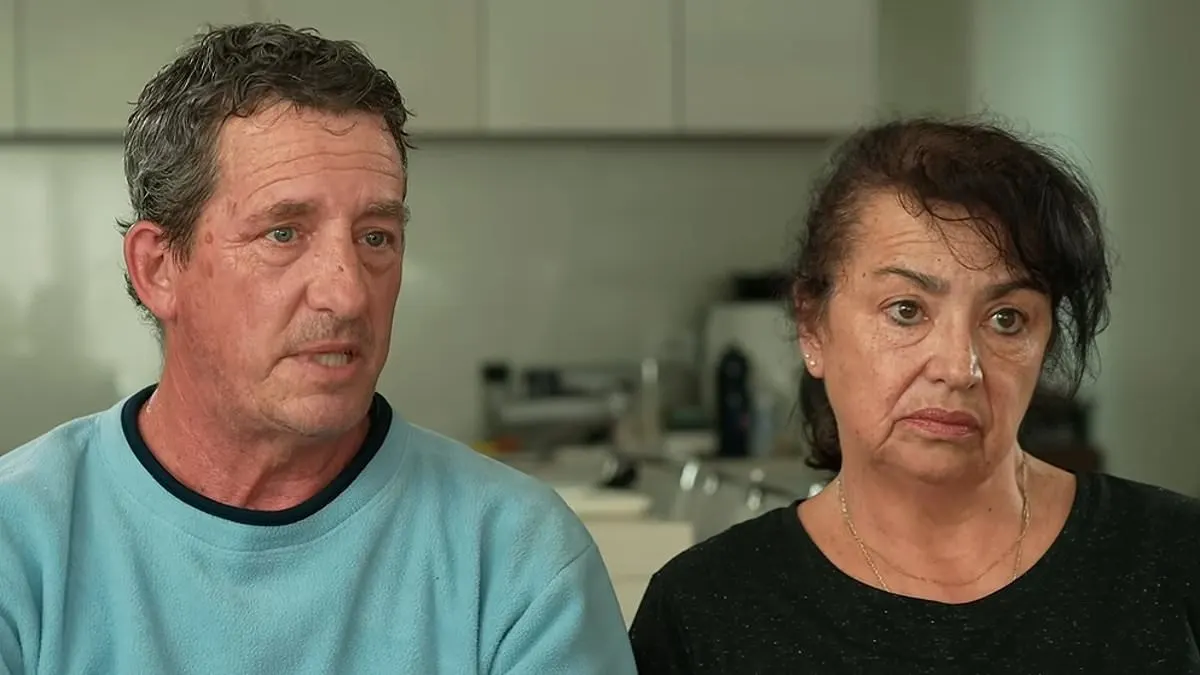
A Sydney couple say a two-storey extension next door is affecting their privacy and safety, and has caused cracks and water damage to their home. They question why their neighbours could build a much larger addition after the couple were refused a small balcony in 2011 over concerns it would overlook nearby properties.
The neighbours’ project was approved through a Complying Development Certificate issued by a private certifier, a route intended to speed up building work when planning standards are met. Waverley Council says it has asked the certifier, Sydney Wide Certifiers, to review the couple’s concerns; the neighbours have agreed to fix damage linked to construction. The neighbouring home sold for more than $3 million last year, and NSW reforms have raised the maximum penalty for certifiers breaching conflict-of-interest rules from $33,000 to $1.1 million.
In short
- Couple say a neighbouring extension has damaged their Tamarama home.
- Their balcony was refused over privacy concerns.
- Council has asked the private certifier to review their concerns.
Steelman: both sides, in good faith
The strongest fair case each way — we don't pick a winner.
The case for
Supporters of complying development certificates argue that clear, statewide standards and private certification can make routine building work quicker and more predictable, without requiring a separate council approval each time. If the extension met those standards, allowing it may be consistent with treating homeowners equally, while any construction damage or privacy impacts can be investigated and addressed through the relevant processes.
The case against
Critics argue that streamlined approval can leave neighbours feeling they have little say over large changes that affect privacy, safety and their homes, especially when a small balcony was previously refused on overlooking grounds. They may question whether the standards and certification checks adequately account for site-specific impacts, and whether private certifiers can be trusted to apply them impartially; alleged damage and conflicts of interest warrant scrutiny.