Health news and discussion on TalkFuse.
GLP-1 users face 6 rebound risks after stopping the weight-loss drugs
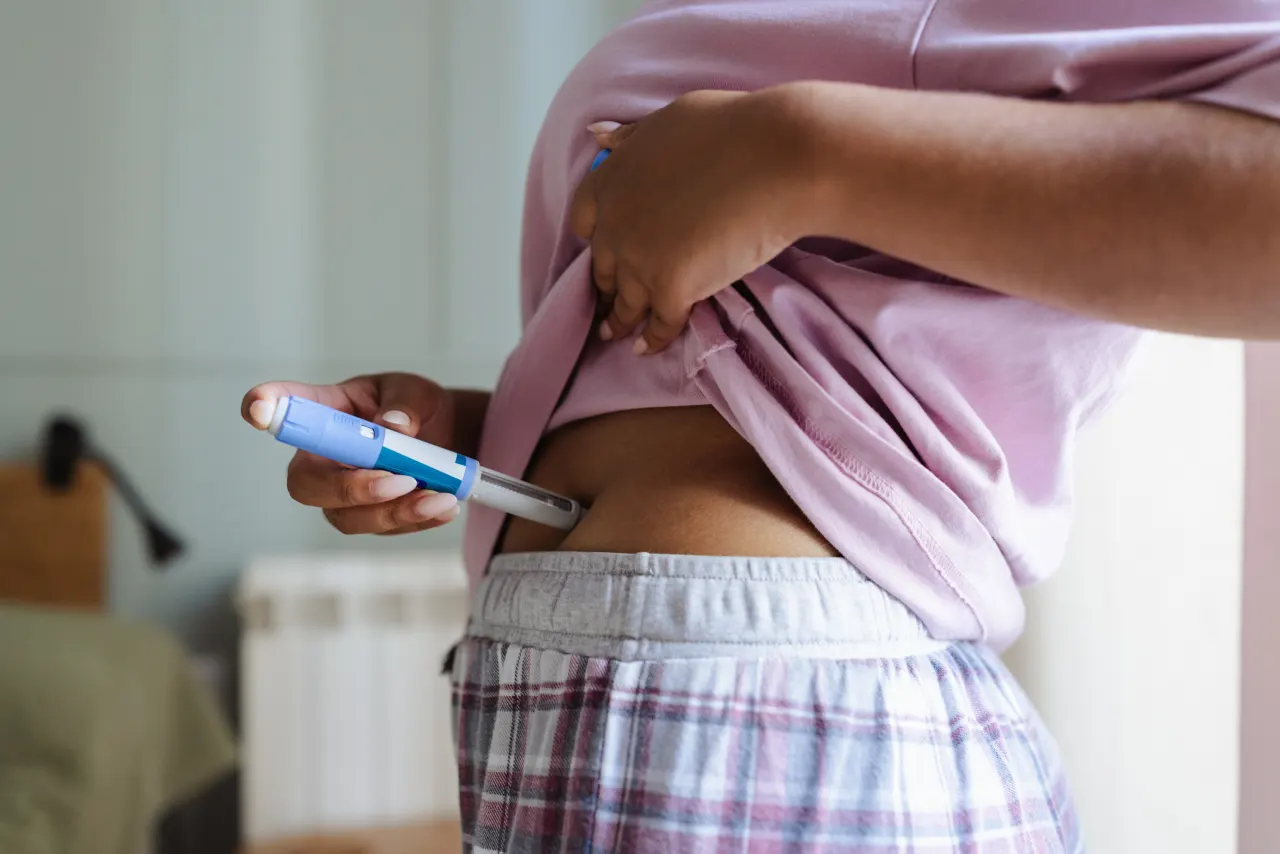
A doctor has outlined six possible rebound effects for people who stop taking GLP-1 medicines used for weight management and diabetes. The risks matter because many patients discontinue treatment within a year, while obesity is generally treated as a chronic condition that may need ongoing management.
The article highlights renewed hunger and cravings, weight regain, and worsening health indicators such as blood sugar, blood pressure and cholesterol; improvements in fatty liver disease may also fade. In one semaglutide trial extension, participants regained about two-thirds of the weight they had lost within a year of stopping, while a tirzepatide trial found those switched to placebo regained more than half over the following year. The article also notes that people may stop because of side effects or medical concerns, and recommends discussing decisions with a doctor.
In short
- Hunger and cravings may return after stopping GLP-1 medicines.
- Trial participants regained much of their lost weight.
- Health improvements can fade without ongoing management.
Explained simply
GLP-1 medicines are a group of drugs used to help manage type 2 diabetes and, in some cases, weight. They include semaglutide and tirzepatide, and can affect appetite as well as blood sugar.
Obesity is often managed as a long-term condition, so treatment may need to continue over time. People may stop these medicines because of side effects or other medical concerns, and changes after stopping can include stronger hunger, weight regain and shifts in measures such as blood sugar, blood pressure and cholesterol.
The effects can vary between people, and some health improvements may lessen after treatment ends. Decisions about stopping or changing medication are usually discussed with a doctor, who can take account of a person’s health and treatment needs.