World news and discussion on TalkFuse.
Adam Hamawy’s Iran defense exposes Democrats’ sickening suicide pact
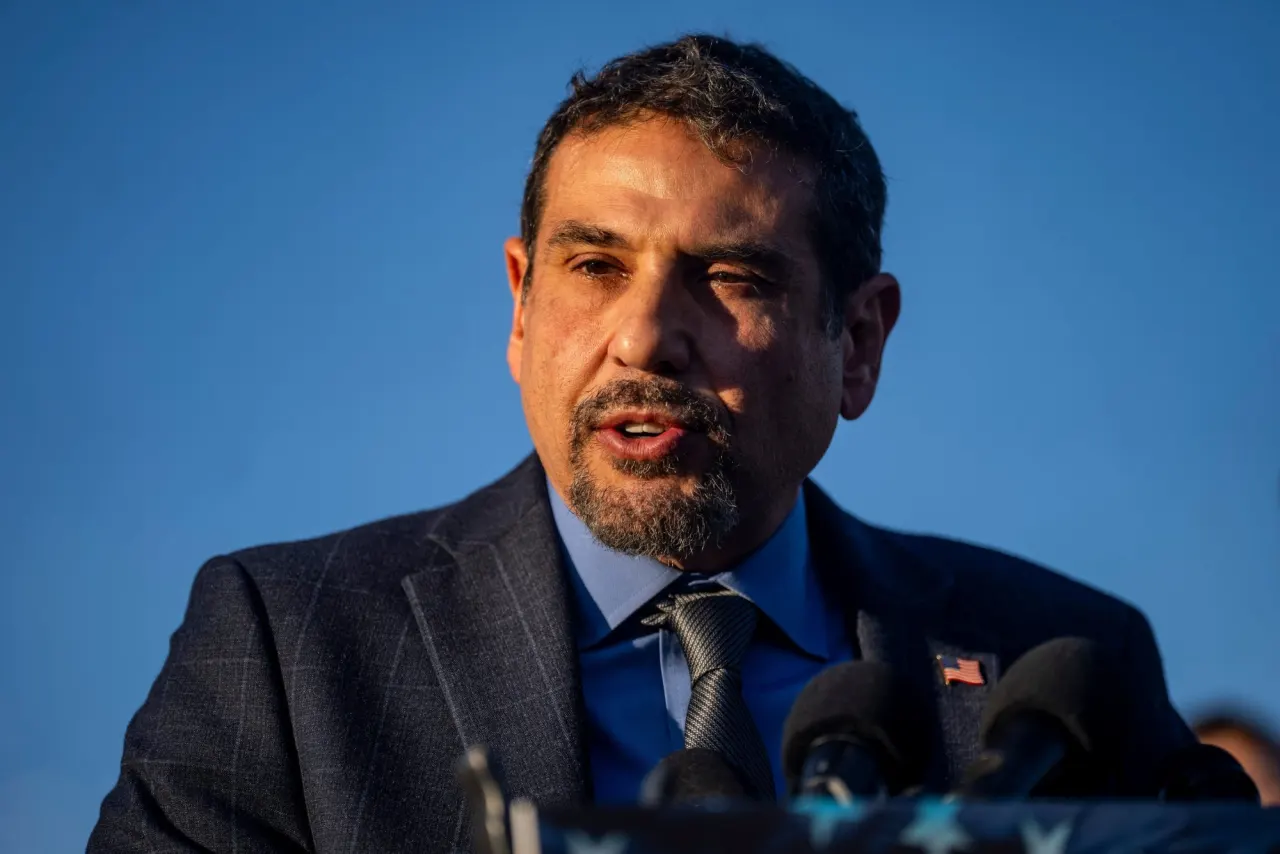
The opinion article argues that Representative-elect Adam Hamawy’s comments about Iran and his past testimony as a defence witness in the trial of Omar Abdel-Rahman should have drawn stronger scrutiny from fellow Democrats. It says party leaders and Hamawy’s primary rivals failed to challenge him because they feared being accused of Islamophobia, leaving voters without a clear debate about his record.
The author places Hamawy’s nomination in a wider argument about the influence of the Democratic Socialists of America and other left-wing activists within the Democratic Party. Hamawy won less than 29% of the vote in a 10-candidate primary, while outside groups and donors reportedly spent about $1.8 million supporting his campaign. The supplied article text ends mid-sentence during a reference to Michigan.
In short
- The author says Democrats failed to scrutinise Hamawy before his primary win.
- Hamawy won with less than 29% in a 10-candidate field.
- Outside groups reportedly spent about $1.8 million backing his campaign.
Steelman: both sides, in good faith
The strongest fair case each way — we don't pick a winner.
The case for
Supporters of the criticism could argue that a candidate’s statements on Iran and role as a defence witness in a terrorism trial are legitimate matters for voters to examine, especially when those subjects bear on public policy and judgement. They may also contend that avoiding direct scrutiny for fear of appearing prejudiced can leave voters less informed and weaken accountability within a party.
The case against
A thoughtful response is that criticism should distinguish a candidate’s own views and actions from the identity or religion others may associate with him, and should rely on the full context of his statements and testimony. Party colleagues may have judged that the article’s framing risked turning complex issues into insinuations, while primary results and outside spending alone do not establish that voters were denied meaningful debate.