World news and discussion on TalkFuse.
Tale Of The Tape: 45 years of Japan’s ‘Tin Drum’
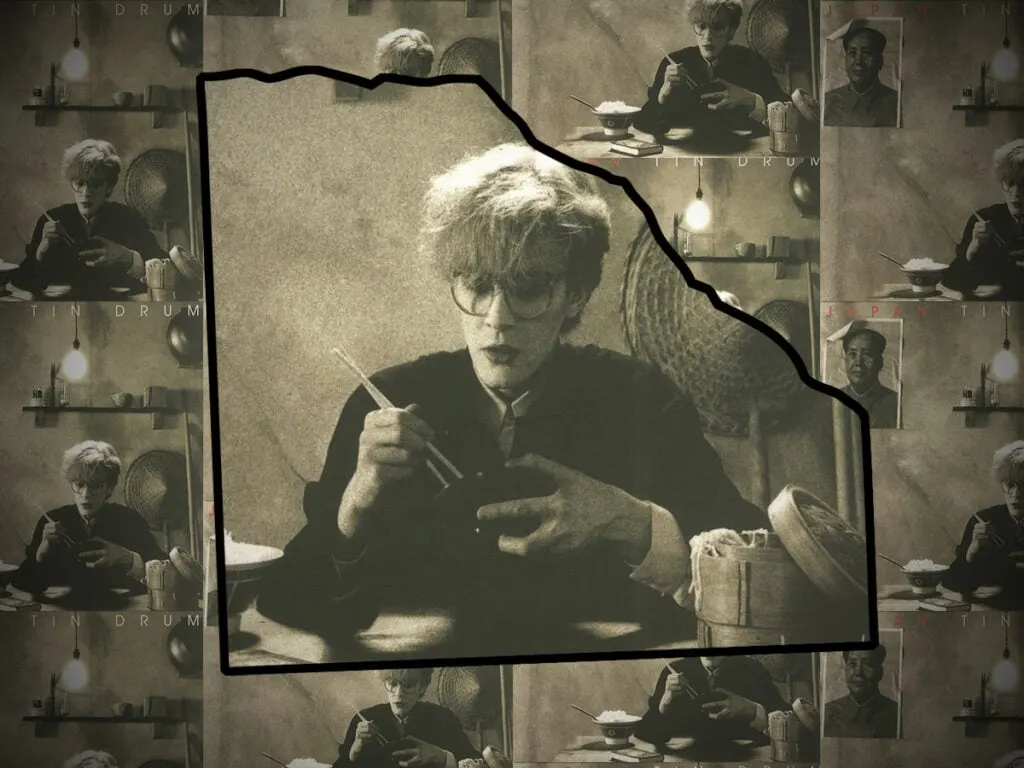
Japan’s *Tin Drum* marked the culmination of the band’s shift from glam rock to a distinctive, electronically driven sound, and became their fifth and final studio album before they split. Released in 1981, it brought together their interest in experimental synthpop and East Asian musical influences, making it a defining record in their career.
The change followed guitarist Rob Dean’s departure and the band’s contact with Yellow Magic Orchestra’s Ryuichi Sakamoto, whose programming and melodies informed their approach. Japan also drew on Chinese music and the Mao era; the cover shows David Sylvian eating with chopsticks beside a Mao Zedong poster. Producer Steve Nye recorded the album, whose title refers to Günter Grass’s 1959 novel.
In short
- *Tin Drum* was Japan’s fifth and final album.
- The 1981 record marked their electronic, East Asian-influenced peak.
- Rob Dean’s departure and Ryuichi Sakamoto helped shape its sound.
Explained simply
Japan were a British band who began in the late 1970s with a glam rock sound. Their final line-up included singer David Sylvian, bassist Mick Karn, keyboard player Richard Barbieri and drummer Steve Jansen; guitarist Rob Dean left before the band made their last studio album.
Japan’s later music used synthesizers and drew on sounds from East Asia. Their contact with Ryuichi Sakamoto of the Japanese electronic group Yellow Magic Orchestra helped shape this direction, while producer Steve Nye worked with them on the recording.
The album’s title comes from a 1959 novel by German writer Günter Grass. Its cover refers to China under Mao Zedong, reflecting the band’s interest in Chinese music and history; the record also marked the end of Japan’s short, five-album career.