Politics news and discussion on TalkFuse.
Democrats’ tasteless revenge plan is a dead end — thanks to the Constitution
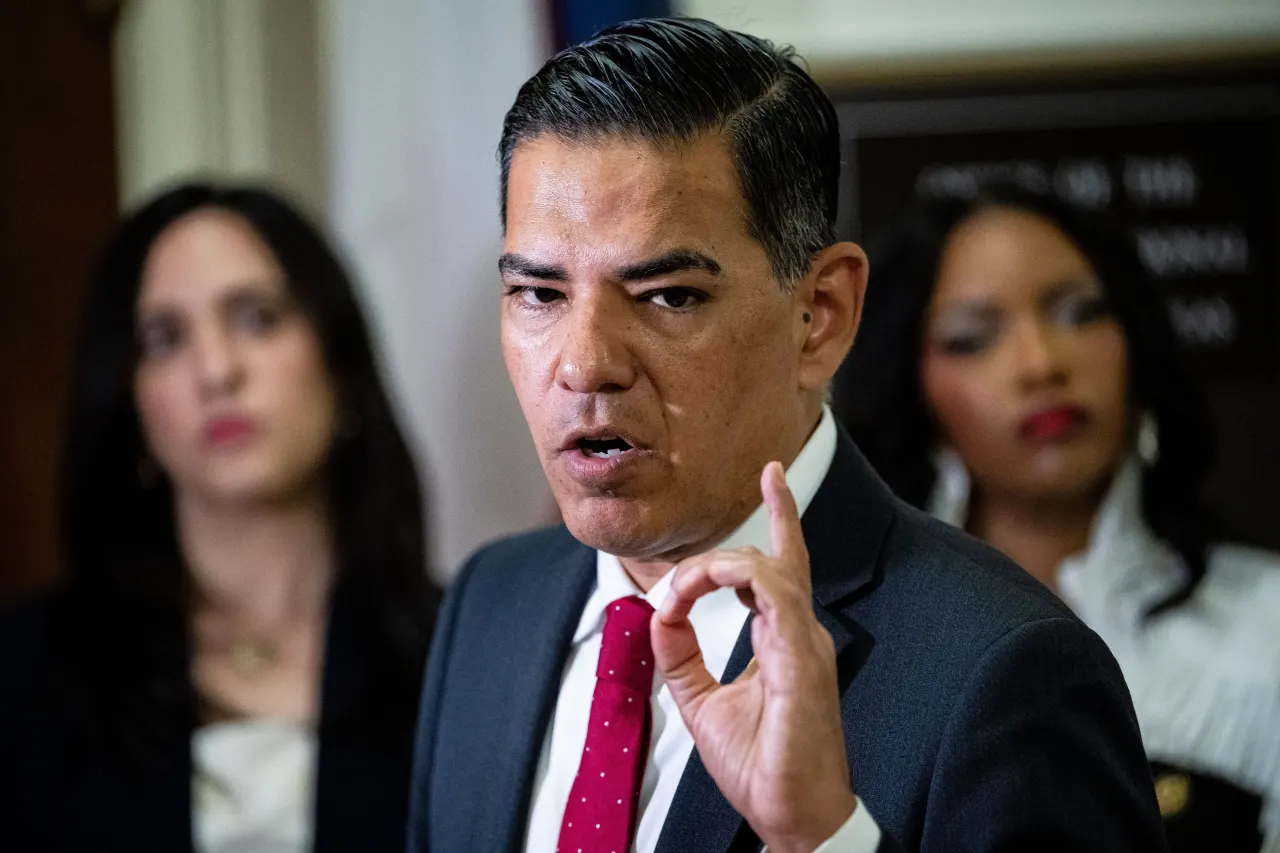
The article argues that Democrats’ plans for aggressive investigations of the Trump administration risk being driven by political retaliation rather than a legitimate legislative purpose. It says Congress may investigate genuine concerns such as corruption, but contends that issuing subpoenas simply to cause disruption would exceed its constitutional role.
It cites White House Counsel Will Scharf’s warning that congressional investigations must support a valid legislative task, and invokes Congress’s enumerated powers and the “necessary and proper” clause. The article also says disputes over subpoenas have traditionally been handled through an accommodation process between the branches, and argues that constitutional oversight should be paired with political restraint.
In short
- The article says investigations need a legitimate legislative purpose.
- It warns against using subpoenas for political retaliation.
- It calls for negotiation between Congress and the executive.
Steelman: both sides, in good faith
The strongest fair case each way — we don't pick a winner.
The case for
Congress has a responsibility to investigate credible concerns about corruption or government conduct, and subpoenas can be necessary to obtain information for legislation and oversight. From this perspective, scrutiny of the administration is legitimate when tied to Congress’s constitutional duties, even if it creates political pressure.
The case against
Congressional investigations should serve a genuine legislative or oversight purpose, not simply punish political opponents or disrupt the administration. From this perspective, using subpoenas without that connection risks exceeding Congress’s constitutional role, while interbranch disputes should be addressed through established accommodation processes.
Explained simply
Congress has powers set out in the Constitution, including making laws and overseeing the executive branch, which is led by the president. Investigations and subpoenas can help lawmakers gather information for those duties, for example when examining possible wrongdoing.
The president’s administration and Congress are separate branches of government, so they can disagree over what information must be provided. Such disputes have often been addressed through negotiation, while courts may become involved if they remain unresolved. The key issue is how to balance Congress’s oversight role with the limits on its powers.