Politics news and discussion on TalkFuse.
Don’t count Trump out despite the midterms rout — he’s got plenty of power to flex
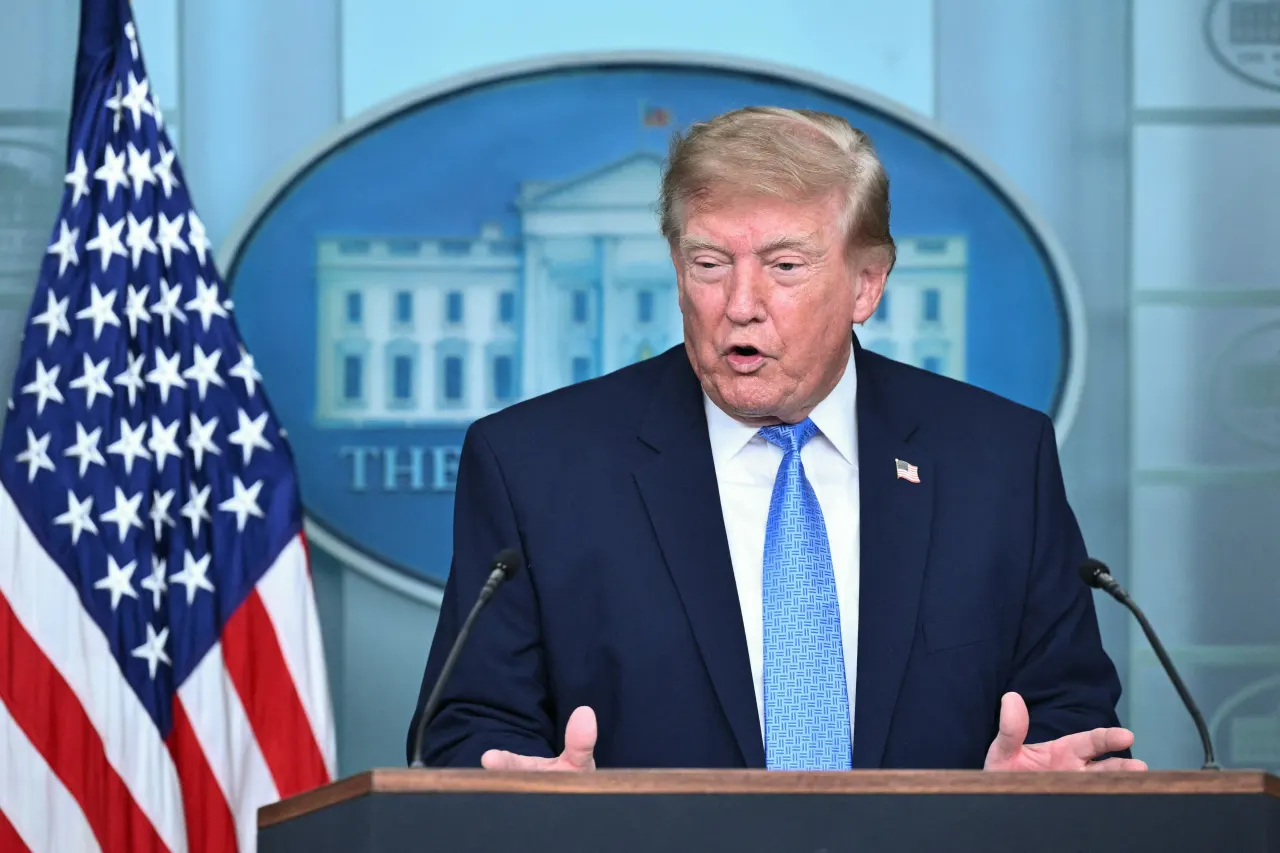
The opinion article argues that Donald Trump may retain considerable influence despite a sweeping Democratic gain in the 2026 midterm elections. It says the result could make it harder for him to pass legislation and confirm appointments, while increasing pressure on him to keep Republican lawmakers aligned.
The author notes that presidents’ parties have usually lost seats in midterms, but says this result could rival the losses suffered by Bill Clinton in 1994 and Barack Obama in 2010. Trump would still be able to veto legislation, while the article suggests he could use executive powers and foreign policy to shape his final 27 months in office. It points to Clinton and Obama as examples of presidents who remained active after midterm defeats, and argues that an opposition party can overreach after a big win.
In short
- Democrats’ midterm gains could stall Trump’s legislative agenda.
- Trump retains veto power and executive tools.
- The author says opposition overreach could change the political outlook.
Steelman: both sides, in good faith
The strongest fair case each way — we don't pick a winner.
The case for
Even after a major midterm defeat, a president retains tools to shape policy, including vetoes, executive authority and foreign policy. Trump could use those powers to pursue priorities, while the result may also encourage him to negotiate with lawmakers and present himself as a forceful leader.
The case against
A sweeping defeat would signal weakened public support and give Democrats greater leverage over legislation, appointments and oversight. Trump’s formal powers would remain, but relying on vetoes or executive action could limit what he can achieve, invite legal or political resistance, and deepen divisions among Republicans.
Explained simply
Midterm elections take place halfway through a US president’s four-year term and decide seats in Congress, the federal legislature. Congress makes laws and approves government spending; the Senate also votes on many senior appointments. When the president’s party loses seats, it can become harder for the White House to secure support for its plans.
Donald Trump is president, and Republicans are his party. A president can veto a bill passed by Congress, although lawmakers can override a veto with enough votes. Presidents also direct the executive branch, which carries out federal laws, and lead US foreign policy.
Bill Clinton and Barack Obama both faced opposition-controlled Congresses after their parties lost seats in midterm elections. Their presidencies show that a poor midterm result does not remove a president from office or end their ability to act.