Science news and discussion on TalkFuse.
COP31 puts waste prevention and resource recovery in focus
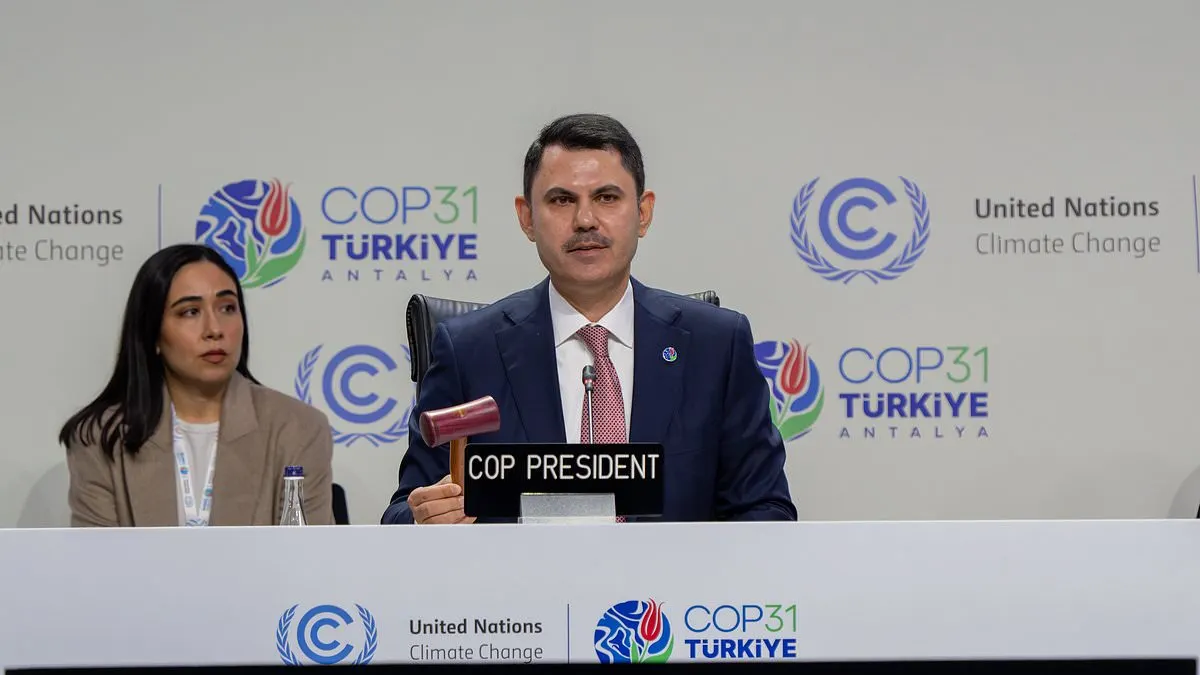
COP31 organisers have made zero waste one of the conference’s ten priority themes, bringing waste prevention and resource recovery into discussions alongside energy and climate finance. The focus matters because waste contributes to greenhouse gas emissions, while the global amount of municipal waste could rise sharply in coming decades.
Talks scheduled for 11 November will cover waste prevention, resource recovery, methane and the circular economy, which seeks to keep materials in use through repair, reuse and recycling. UNEP estimates the world produces about 2.1 billion tonnes of municipal waste annually, potentially increasing to 3.8 billion tonnes by 2050; in 2022, food waste reached about 1.05 billion tonnes, with households responsible for 60 per cent. Türkiye’s waste recovery rate rose from 13 per cent in 2017 to 37.53 per cent in 2025, and its government aims for 60 per cent by 2035.
In short
- Waste prevention is among COP31’s ten priority themes.
- Global municipal waste could reach 3.8 billion tonnes by 2050.
- Türkiye aims to raise its waste recovery rate to 60 per cent by 2035.
Steelman: both sides, in good faith
The strongest fair case each way — we don't pick a winner.
The case for
Making waste prevention and resource recovery a COP31 priority could help tackle emissions at their source, especially methane from food waste, while reducing pressure on growing waste systems. Supporters can argue that repair, reuse and recycling conserve materials and that Türkiye’s rising recovery rate shows progress is possible, with further ambition warranted given projected growth in municipal waste.
The case against
Critics could argue that elevating zero waste at a climate conference risks spreading attention across too many priorities when rapid emissions cuts from energy and other major sources may deserve greater focus. They may also question whether recovery targets and recycling can deliver enough without stronger evidence of results, and caution that ambitious programmes could impose costs or practical burdens on households and businesses.
Read the full article at the source →
Originally published by Daily Mail as “How cutting waste became a global priority”.