World news and discussion on TalkFuse.
Lazraq-Khlass banned for whereabouts violation
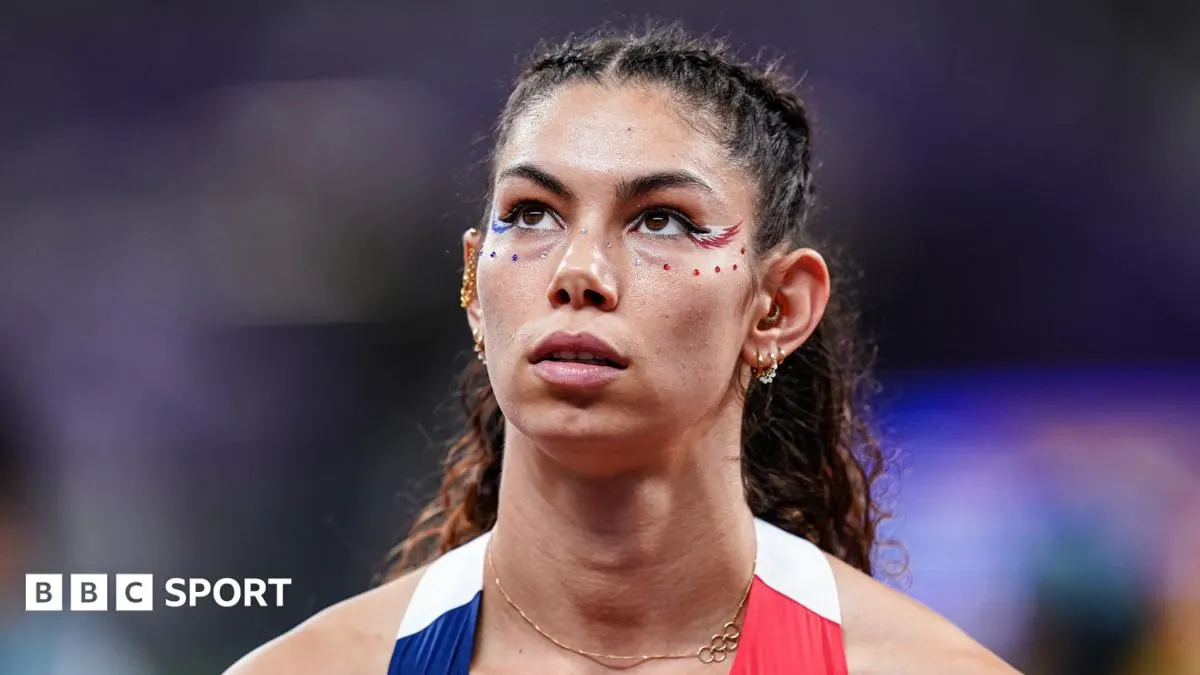
French heptathlete Auriana Lazraq-Khlass has been suspended for 22 months after three breaches of anti-doping whereabouts rules between February and November 2025. The ruling means she will miss competition until January 2028, although she is expected to be eligible six months before the Los Angeles Olympics.
The 27-year-old accepted the first two breaches, which involved failing to update her location in the tracking app, but disputed the third, saying an update had been recorded for the wrong day. The tribunal said she did not appear to be trying to evade testing, but had acted carelessly and negligently. Her results from 20 November 2025 onwards will be annulled; she won silver at the 2024 European Championships and finished 16th at the Paris Olympics.
In short
- Auriana Lazraq-Khlass received a 22-month suspension.
- The ban follows three whereabouts rule breaches in 2025.
- Her results from 20 November 2025 will be annulled.
Steelman: both sides, in good faith
The strongest fair case each way — we don't pick a winner.
The case for
Strict whereabouts rules help ensure athletes can be tested without notice, supporting fair competition and public confidence in anti-doping enforcement. Repeated failures to keep location details accurate can undermine that system even without intent to evade testing, so a substantial suspension may be seen as a necessary and consistent consequence.
The case against
A lengthy suspension can seem disproportionate when the tribunal found no apparent attempt to evade testing and the failures arose from careless updates, including a disputed entry recorded for the wrong day. Critics may argue that sanctions should distinguish administrative negligence from deliberate obstruction, especially where lost competition time and annulled results can seriously affect an athlete’s career.