Business news and discussion on TalkFuse.
‘Clear national security concerns that need to be addressed immediately’: new letters to Jensen Huang from Congress strike a tougher tone for the ex-Nvidia CEO
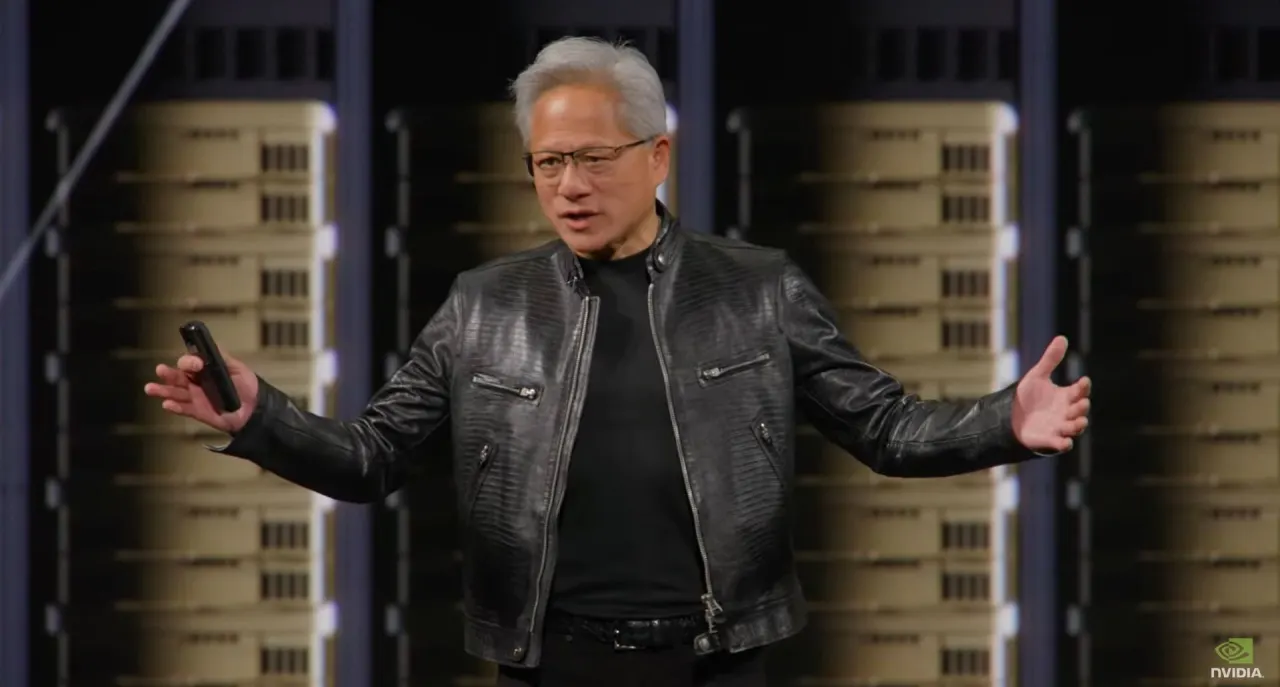
Congressional committees have summoned Jensen Huang, Nvidia general counsel Tim Teter and Commerce Under Secretary Jeffrey Kessler to answer questions about national security concerns linked to Nvidia’s relationship with MegaSpeed. Lawmakers are investigating possible chip smuggling, the use of Nvidia products by foreign militaries and alleged interference with US export control investigations.
Huang is due to give a closed-door, transcribed interview on 1 December 2026, with Teter scheduled for 2 December; both face possible subpoenas if they do not attend. Kessler has been invited to a hearing, while a separate Senate Banking Committee hearing for Huang is set to be public on 3 December. The article says Huang is willing to appear, and notes that lawmakers’ concerns include MegaSpeed’s links to China and its former managing director, who is described as a suspected Chinese spy.
In short
- Congress has summoned Jensen Huang over national security concerns.
- Interviews and hearings are scheduled for 1 to 3 December.
- Lawmakers are examining alleged chip smuggling and export control interference.
Steelman: both sides, in good faith
The strongest fair case each way — we don't pick a winner.
The case for
Congress has a strong case for pressing Nvidia and Commerce officials for answers: alleged chip smuggling, possible military use and interference with export-control investigations could expose serious weaknesses in safeguards around sensitive technology. Interviews and hearings can help establish what happened, test whether current controls are adequate and reassure the public that national-security rules are being enforced.
The case against
The scrutiny should be carefully bounded by evidence and due process: allegations about MegaSpeed or its former managing director do not by themselves establish wrongdoing by Nvidia or its executives. Closed-door questioning and threatened subpoenas may be justified in a serious inquiry, but lawmakers should avoid treating suspicion as proof or turning the process into a public verdict before the facts are established.