World news and discussion on TalkFuse.
Rubio takes aim at ‘soulless global bureaucrats’ pushing Marxism to undermine America
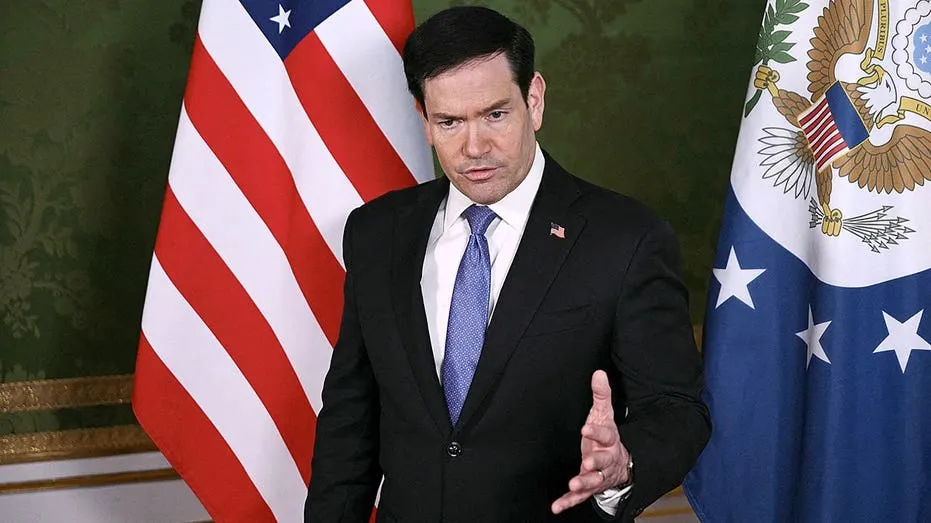
Secretary of State Marco Rubio is expected to argue that international institutions and legal rules are being used to constrain US policy and override decisions made by Americans. His planned remarks frame this as a continuation of Marxist ideas, and matter because they signal a forceful defence of the administration’s approach to international bodies and US sovereignty.
In excerpts previewing a Friday address to the Federalist Society’s National Lawyers Convention, Rubio criticises the International Criminal Court and other global organisations, and is expected to defend US sanctions on the ICC. He says the “spirit of Marx” survived the Soviet Union and argues that international law is being applied selectively; the article notes that his remarks may change before delivery. It also contrasts his position with Sen.-elect Abdul El-Sayed’s recent criticism of the US record on the postwar international order.
In short
- Rubio plans to criticise global institutions and their influence on US policy.
- He is expected to defend sanctions against the International Criminal Court.
- The article says his speech excerpts may change before delivery.
Steelman: both sides, in good faith
The strongest fair case each way — we don't pick a winner.
The case for
Supporters of Rubio’s position argue that international institutions should not be able to override decisions made by a country’s elected representatives, particularly when their rules are applied inconsistently or without adequate accountability. They see defending US sovereignty, including through sanctions on the ICC, as a way to protect democratic self-government and ensure that international bodies do not constrain the United States more than other states.
The case against
Critics argue that shared legal rules and international institutions help restrain powerful states and provide a route to accountability when national systems fall short. They see dismissing these constraints as ideological or hostile to sovereignty as risking selective compliance, weakening the postwar order, and making it harder to apply common standards to the United States and others.