Sport news and discussion on TalkFuse.
The quarterback market in college football is out of control, and Kamario Taylor is just the beginning
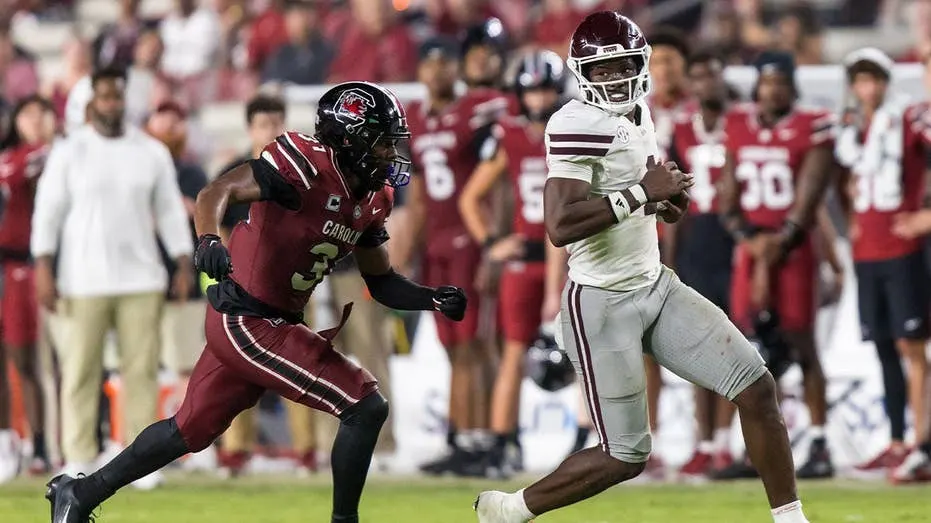
Mississippi State quarterback Kamario Taylor is reportedly finalising a deal worth $7.5 million to remain with the Bulldogs, with incentives potentially taking it above $9 million. The deal matters because it shows how intensely programmes are competing to keep promising quarterbacks amid rising player payments and transfer-portal interest.
Taylor has made 236 career pass attempts and has not yet played a full season, though the article describes him as a highly regarded young passer. It compares his reported deal with payments to Brendan Sorsby and Nico Iamaleava, and says roster costs have risen sharply since Ohio State coach Ryan Day sought $20 million for a championship team a few seasons ago. The article argues that college football’s current system has few restraints, while salary caps and collective bargaining are being discussed.
In short
- Taylor’s reported Mississippi State deal is $7.5 million.
- Incentives could push it above $9 million.
- The article says quarterback costs are still rising.
Steelman: both sides, in good faith
The strongest fair case each way — we don't pick a winner.
The case for
High payments can help programmes retain promising players and recognise the value they bring to a sport that generates substantial revenue. In a competitive transfer market, paying a quarterback may be a rational investment in continuity and performance, while broader player compensation gives athletes a greater share of the value created by their work.
The case against
Large deals for players with limited starting experience may make roster costs difficult to sustain and intensify bidding between wealthy programmes. Supporters of restraints such as a salary cap or collective bargaining could argue that clearer rules would improve competitive balance and provide a more predictable system for teams and players.