World news and discussion on TalkFuse.
Supreme court to review Trump’s asylum restrictions at Mexican border
Developing story first seen 42 minutes ago
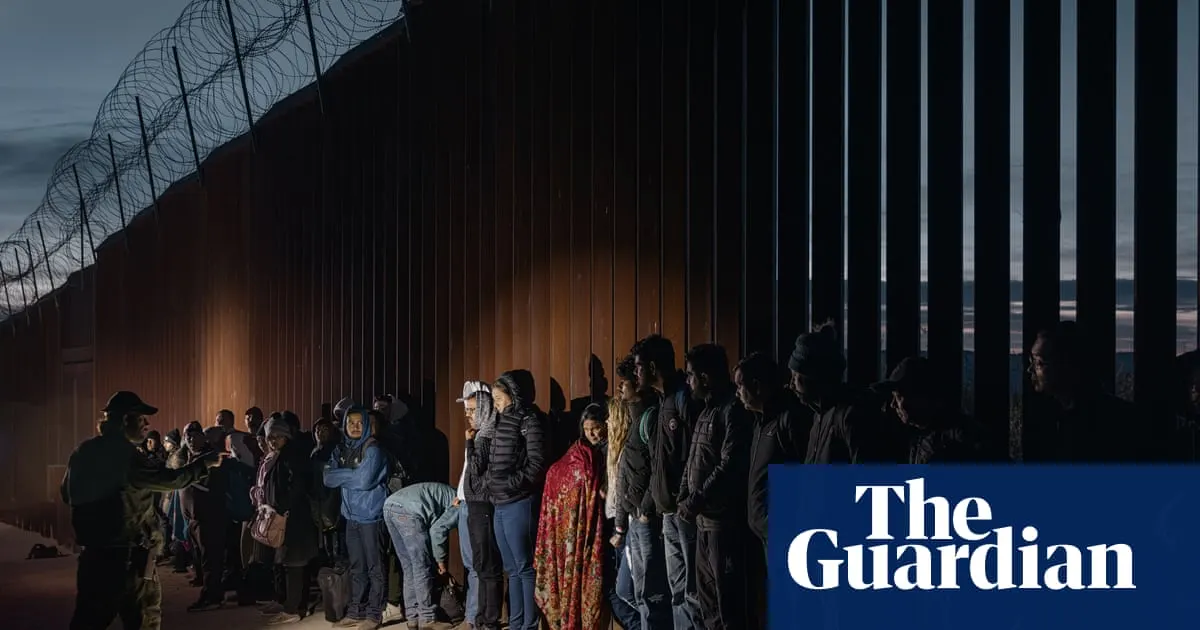
The US supreme court has agreed to consider Donald Trump’s ban on asylum applications at the US-Mexico border, bringing the administration’s appeal of lower court rulings before the justices. The case will test whether the president can prevent people from applying, rather than assess their claims individually.
US law gives people who fear persecution the right to seek asylum, while the executive branch decides whether to grant it, allowing recipients to live and work legally in the country. The administration says lengthy processing times contributed to migrants entering the US while awaiting decisions; immigration lawyers say crossings were already falling and argue the order removes legal protections. Introduced in 2025, the ban remains in force during the litigation.
- Sources
- 2
- Outlets
- 2
- Left · Centre · Right
- 1 · 1 · 0
In short
- Supreme court will review Trump’s border asylum ban.
- Lower courts found the executive order unlawful.
- The ban remains in force during the case.
How this story developed
- 4 minutes ago The court’s review will decide whether the administration may bar asylum applications outright, after lower courts ruled the executive order unlawful.
- 10 minutes ago The US supreme court agreed to hear Donald Trump’s ban on asylum applications at the US-Mexico border, while the measure remained in force during the appeal against lower court rulings.
Where outlets differ
Left-leaning outlets 1
Only here: review, restrictions, mexican
Centre outlets 1
- Supreme Court will consider Trump's executive order suspending asylum access at the southern borderPBS NewsHour
Only here: consider, executive, order, suspending, access
Every side used: supreme, court, trump, asylum, border
Headline columns compared word for word; nothing in them is AI-written.
Steelman: both sides, in good faith
The strongest fair case each way — we don't pick a winner.
The case for
The administration can argue that it needs to manage a strained border system and that long waits for asylum decisions encourage people to enter and remain in the country while cases are pending. It may also contend that the executive branch needs practical authority to respond to changing conditions, provided courts can review whether its measures comply with the law.
The case against
Critics can argue that US law gives people who fear persecution the right to seek asylum, so a blanket border ban prevents claims from being assessed on their individual merits. They also point to evidence that crossings were already declining, which they say weakens the case that denying access to asylum is necessary to manage the border.
Explained simply
US asylum law allows people who fear persecution in their home country to ask for protection in the United States. Making an application does not guarantee asylum: the government considers each case and decides whether the person qualifies.
The US president and administration oversee immigration policy, while Congress sets the laws and courts can rule on whether government actions comply with them. The dispute centres on whether the administration can stop people at the Mexican border from applying, or whether it must consider their circumstances individually.
The question affects people seeking safety and the government’s authority to control entry at the border. It also tests how far executive immigration policies can go when they meet legal protections set by Congress.
Coverage · 2 sources
Bias meters
From 2 rated sources.
Americas Government Politics World
Read the full article at the source →
Originally published by The Guardian as “US supreme court agrees to consider Trump’s ban on asylum at US-Mexico border”.