World news and discussion on TalkFuse.
‘Jet zero’: Nato planes could be GROUNDED if Europe conflict erupts amid jet fuel shortage
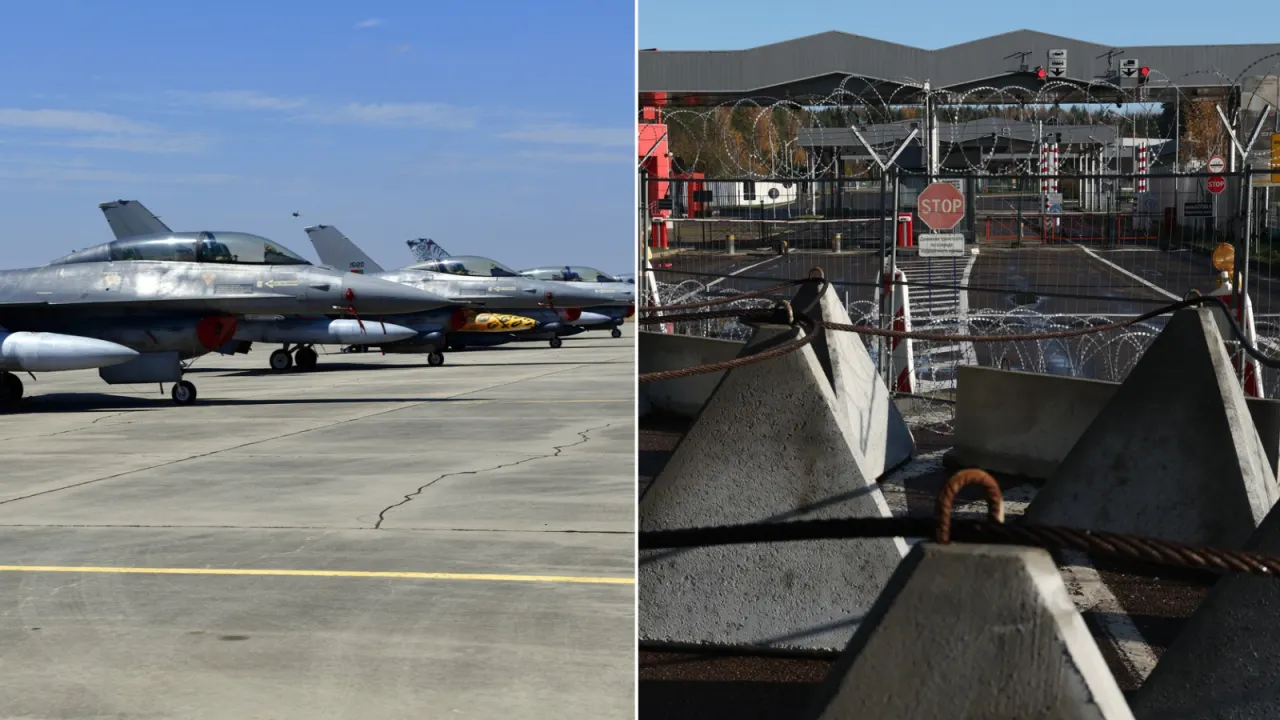
A Nato-linked study warns that Europe could face a military jet-fuel shortfall in a major conflict in the mid-2030s if refinery closures continue and imports are disrupted. In its “reasonable worst case” scenario, even diverting all civilian jet fuel to the military would not meet Nato’s needs, though the report describes this outcome as unlikely but possible.
The study estimates Nato Europe lost 16 per cent of its conventional refining sites between 2015 and 2025, while up to 30 per cent of its jet fuel is imported. It recommends protecting refineries, securing more diverse imports, strengthening reserves and speeding up alternative-fuel production. In less severe scenarios, supplies could meet demand, although a regional war might require a 10 per cent cut in civilian fuel use; the report does not represent official Nato policy.
In short
- A severe conflict could leave Nato Europe short of jet fuel.
- The report identifies refinery closures and import risks as key concerns.
- It recommends stronger reserves, secure imports and alternative fuels.
Steelman: both sides, in good faith
The strongest fair case each way — we don't pick a winner.
The case for
The warning supports treating fuel supply as part of defence readiness: a major conflict could disrupt imports just as military demand rises, and the study’s worst-case scenario suggests civilian fuel alone might not cover Nato’s needs. Protecting some refining capacity, diversifying imports and building reserves could reduce that vulnerability and give governments more options in a crisis.
The case against
The study describes the shortfall as unlikely, and its less severe scenarios show supply could meet demand, so costly intervention to preserve refineries may be disproportionate. Governments could instead focus on diversified imports, reserves and alternative fuels, while weighing the economic and environmental costs of keeping older sites operating; the report is a warning, not official Nato policy.
Americas Europe Geopolitics Politics Research Science World