World news and discussion on TalkFuse.
Hamas terror suspect given asylum in UK attacked bailiff with knife over parking fines
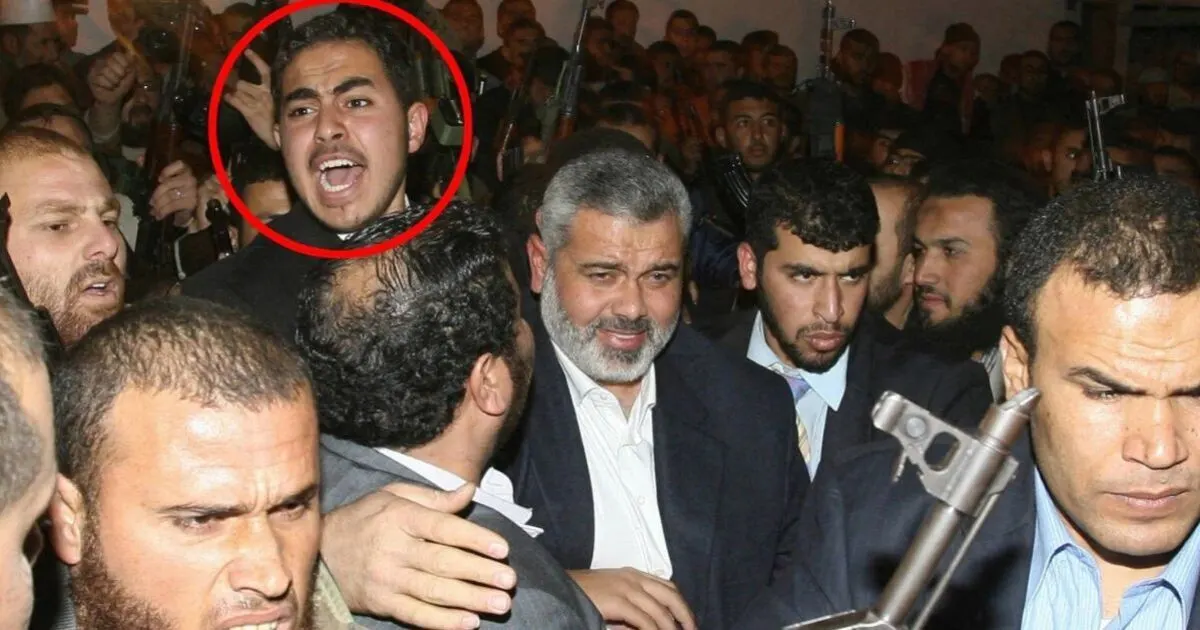
Mohammed Alfatih, a Birmingham man reported to have links to Hamas and suspected of involvement in an alleged plot in Germany, has been convicted over a knife attack on a bailiff. The case matters because the jury was not told of the terrorism allegations, and reporting restrictions on Alfatih’s identity ended after the trial.
The attack took place outside Alfatih’s home as a bailiff pursued more than £2,250 in parking-fine debt linked to his wife. Jurors convicted him of wounding and possessing knives unlawfully, but cleared him of wounding with intent; he was also found guilty of damaging the bailiff’s van. The bailiff needed hospital treatment for a deep head cut, while German prosecutors have separately accused a man identified as “Mohammed A” of helping transport and store weapons.
In short
- Alfatih was convicted of wounding a bailiff with a knife.
- The jury was not told of the terrorism allegations.
- He was also convicted of knife possession and van damage.
Steelman: both sides, in good faith
The strongest fair case each way — we don't pick a winner.
The case for
A fair case for granting asylum is that protection decisions should turn on an individual’s demonstrated risk of persecution, assessed under the law, rather than unproven allegations or association. The German allegations are separate and the British jury did not hear them, so they should not be treated as proof of guilt; the knife attack was serious, but the convictions and acquittal on intent should be described precisely.
The case against
A fair case for closer scrutiny is that credible evidence of involvement in serious political violence, if available to decision-makers, could be relevant to whether someone qualifies for protection and may raise public-safety concerns. The reported German allegations make it reasonable to ask whether they were assessed and shared appropriately, while recognising they remain allegations and that the convictions in the bailiff attack do not establish a link to terrorism.
Explained simply
Bailiffs are authorised to collect unpaid debts, including parking fines, and may visit a debtor’s home to seek payment or recover goods. In this case, the debt was linked to Mohammed Alfatih’s wife, and a bailiff visited their home in Birmingham.
Alfatih was convicted of wounding the bailiff and possessing knives unlawfully, but the jury cleared him of wounding with intent. Separately, German prosecutors have accused a man they identify as “Mohammed A” of helping move and store weapons in an alleged plot. The terrorism allegations were not put before the jury in the Birmingham trial, so they were not part of its verdict.