World news and discussion on TalkFuse.
Jewish Heirs Challenge Sale of $180 Million van Gogh Painting at Sotheby’s
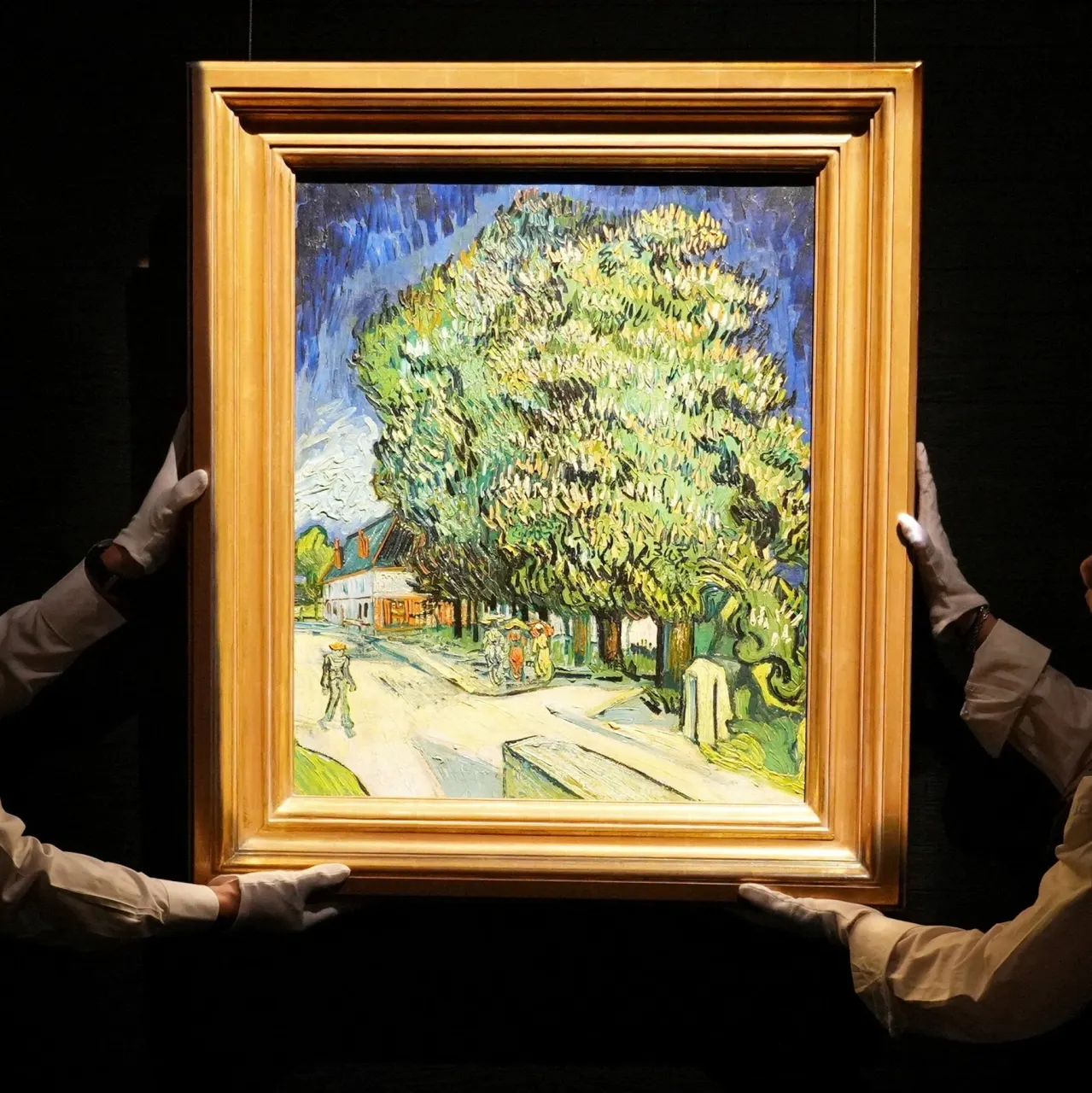
The heirs of Samuel Fischer, a Jewish publisher, have asked Sotheby’s to withdraw Vincent van Gogh’s “Blossoming Chestnut Trees” from auction, arguing that their family sold it under Nazi-era duress in 1936. The dispute comes days before the painting is due to lead Sotheby’s autumn sales in Manhattan, and raises questions about how auction houses should address claims over art sold during Nazi persecution.
The 1890 painting is estimated at $180 million, which would exceed Van Gogh’s auction record of $117.2 million set in 2022. Fischer bought it in 1909; his heirs say financial losses at his publishing company under Nazi rule led to its sale. Sotheby’s says its research has not established that the sale was coerced, but it is discussing the painting’s history with the family and says it is seeking a mutually satisfactory resolution. The painting is part of a group of 12 works from the Blaquier-Arrieta collection expected to raise about $450 million.
In short
- Fischer’s heirs say the painting was sold under Nazi-era duress.
- Sotheby’s has not confirmed whether the auction will proceed.
- The $180 million estimate would set a Van Gogh auction record.
Steelman: both sides, in good faith
The strongest fair case each way — we don't pick a winner.
The case for
The heirs can argue that the 1936 sale took place amid Nazi persecution and severe financial pressure on a Jewish-owned business, so it should not be treated as an ordinary voluntary transaction. Given the difficulty of proving coercion decades later, pausing the auction while the evidence is reviewed would show respect for the family’s claim and for the effort to address art lost under persecution.
The case against
Sotheby’s can argue that its research has not established that the sale was coerced, and that a disputed historical claim should be assessed on evidence rather than assumed from the circumstances alone. Proceeding with the auction may be defensible if the available records support the current ownership, while continued discussion with the heirs offers a route to resolve the claim without presuming its outcome.