World news and discussion on TalkFuse.
Mamdani is a miser — but only in his sleek social media videos
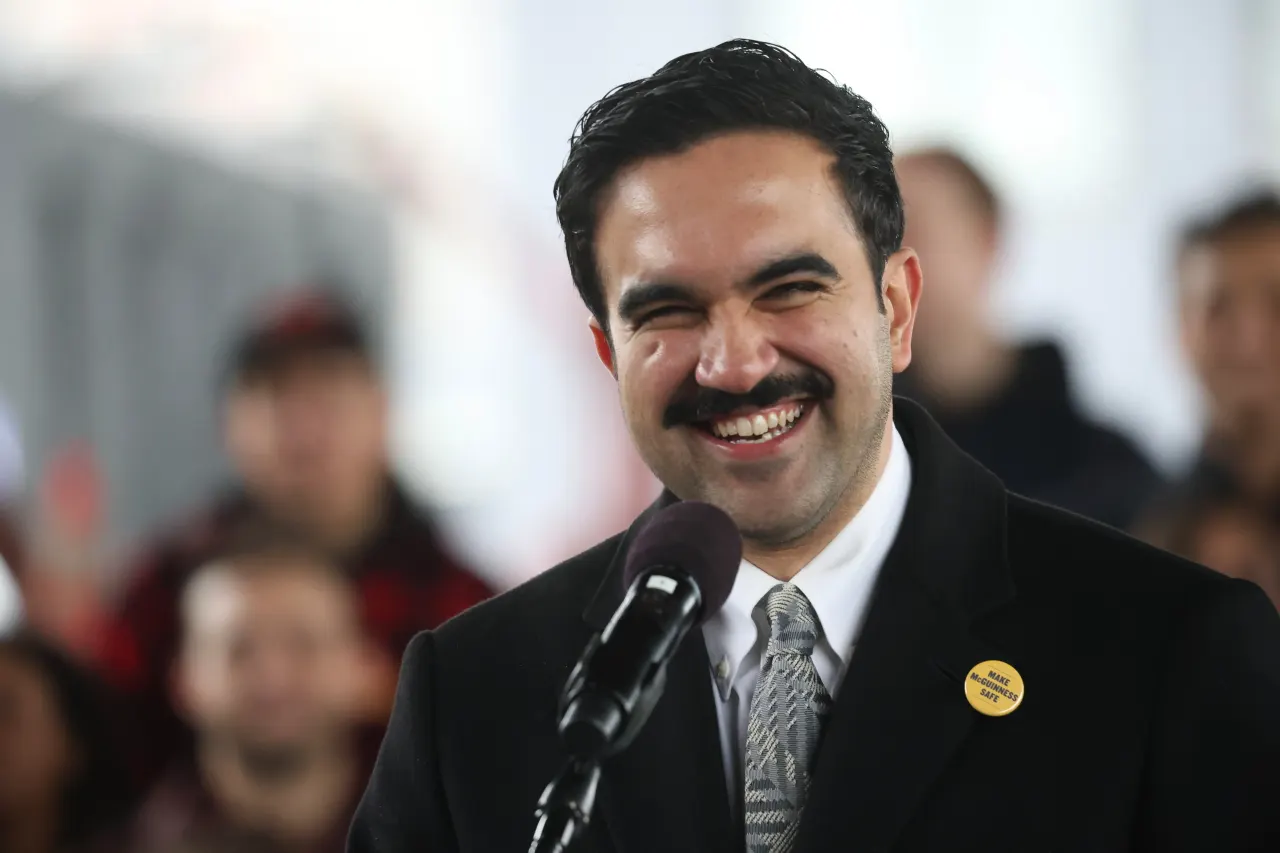
New York City Mayor Zohran Mamdani’s spending has risen despite a public campaign portraying him searching for savings, according to the article. It argues that the increase widens the city’s future budget gap and questions whether the mayor’s claims of fiscal responsibility are justified.
The article says city spending for the current year rose from $126 billion to $129.2 billion, while officials identified $439 million in cuts against a target of about $1 billion. It cites an additional $1.1 million for the mayor’s Office of Mass Engagement, bringing its funding to $6.1 million, and notes that the city received billions in state aid and an estimated $1 billion in extra tax revenue from Wall Street bonuses. The piece is an opinion article and criticises the plan’s reliance on revenues that may fluctuate.
In short
- City spending rose to $129.2 billion.
- Reported savings fell short of the $1 billion goal.
- The opinion piece questions the mayor’s fiscal claims.
Steelman: both sides, in good faith
The strongest fair case each way — we don't pick a winner.
The case for
The mayor’s public emphasis on savings can reasonably be judged against the city’s rising spending and the gap between identified cuts and the stated target. Relying on unusually strong tax receipts or aid to support recurring costs may leave the city exposed if those revenues fall, while added funding for the mayor’s office invites scrutiny over priorities.
The case against
A rise in the total budget does not by itself show that the mayor has abandoned fiscal restraint: spending may reflect existing commitments, service needs or costs beyond his immediate control. The identified cuts are substantial, and state aid and stronger tax receipts can help meet current obligations; the key question is whether the city plans prudently for revenue changes, rather than whether every year’s budget is lower than the last.
Explained simply
New York City has to fund services such as transport, schools, housing and public safety through its annual budget. The mayor proposes spending plans, while the City Council reviews and approves them; the city also receives money from state and federal governments and from local taxes.
Zohran Mamdani became mayor after campaigning on affordability and changes to city services. Claims about savings are measured against the overall budget, and the effect of a cut depends on which programme loses funding and whether the saving lasts.
The city’s income can vary, particularly when it depends on taxes linked to financial-sector profits and bonuses. That makes budget forecasts uncertain and can affect how much money is available for services in later years.