World news and discussion on TalkFuse.
California Dems left sex assault complaint unanswered for months — then endorsed accused candidate
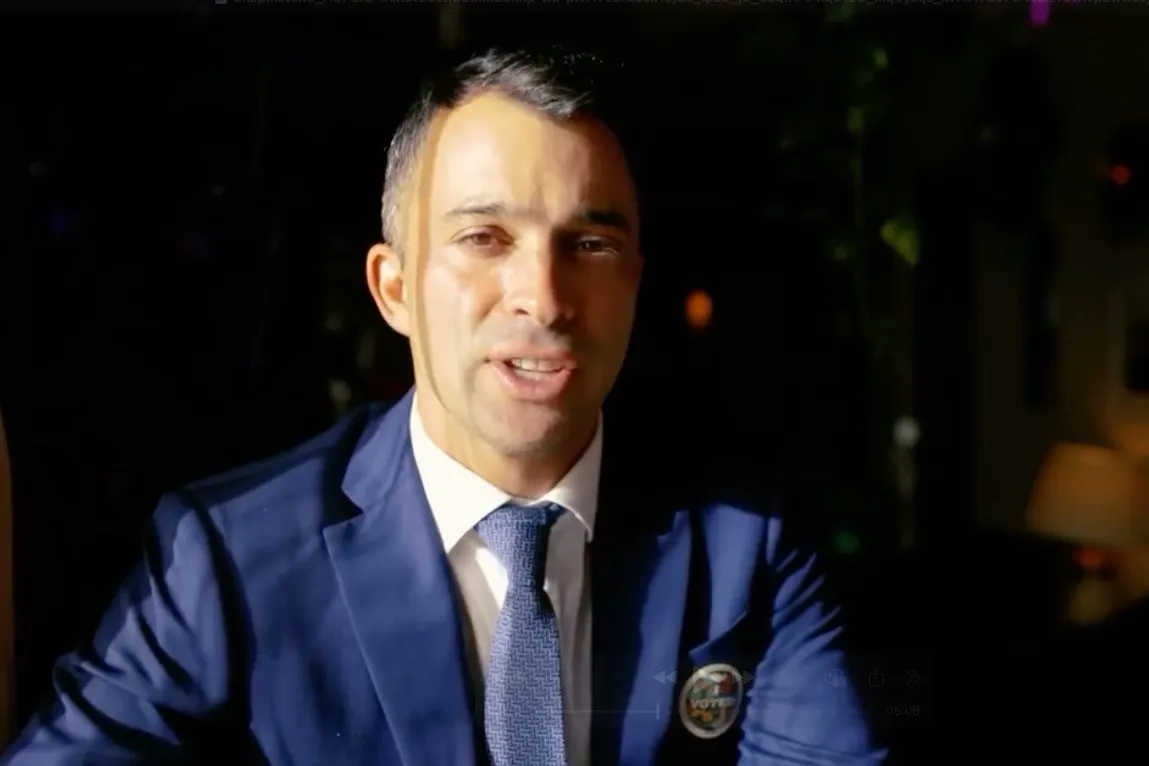
San Francisco Democrats failed to review a sexual misconduct complaint for nearly four months, then dismissed it on jurisdictional grounds and endorsed the candidate it accused. The episode exposed a breakdown in a party-created system intended to handle such complaints and raised questions about how political organisations respond to allegations.
Organizer Brad Chapin submitted his complaint against Manny Yekutiel on 3 March, alleging an assault at a house party in 2020; he sent it again on 16 April and later reported it to police. The party acknowledged the complaint on 30 June, after a newspaper had published the allegations. In August, its commission said the incident fell outside its policy because it was not connected to a party event or political activity, without deciding whether an assault occurred. After two more men made misconduct allegations, Yekutiel denied assaulting anyone, suspended his campaign, and the party withdrew its endorsement; police said the investigation remained open.
In short
- A complaint went unanswered for nearly four months.
- The party dismissed it and endorsed the accused candidate that day.
- Further allegations led to the endorsement being withdrawn.
Steelman: both sides, in good faith
The strongest fair case each way — we don't pick a winner.
The case for
A party complaint process needs clear limits: if its remit covers conduct connected to party events or political activity, it may be reasonable to dismiss an allegation outside that scope without making findings about a private incident. The party could argue that endorsing a candidate before the complaint was acknowledged reflected a failure of process, while withdrawing the endorsement after further allegations emerged was a cautious response as the campaign and police investigation developed.
The case against
A party that creates a misconduct process has a responsibility to handle complaints promptly and transparently, especially when it is considering endorsing the person accused. Months of silence followed by a jurisdictional dismissal, without assessing the allegation, can leave complainants without meaningful recourse and undermine confidence in the process; the endorsement could also be seen as lending political support before the complaint had been addressed.
Explained simply
Political parties can create internal systems to handle complaints about the conduct of their members or candidates. These processes are separate from police investigations and may cover only incidents connected to party events or political work.
Manny Yekutiel is a San Francisco political figure who was running for office, and Brad Chapin is an organiser who accused him of assault at a private party in 2020. Yekutiel denied assaulting anyone; police investigations and a party review do not themselves establish whether an allegation is true.
The case matters because it raises questions about how political organisations assess complaints and decide who they support. It also shows that a party’s rules may limit which allegations its own process can consider.