Entertainment news and discussion on TalkFuse.
Eating spicy wings and guessing games: When selling the movie becomes the show
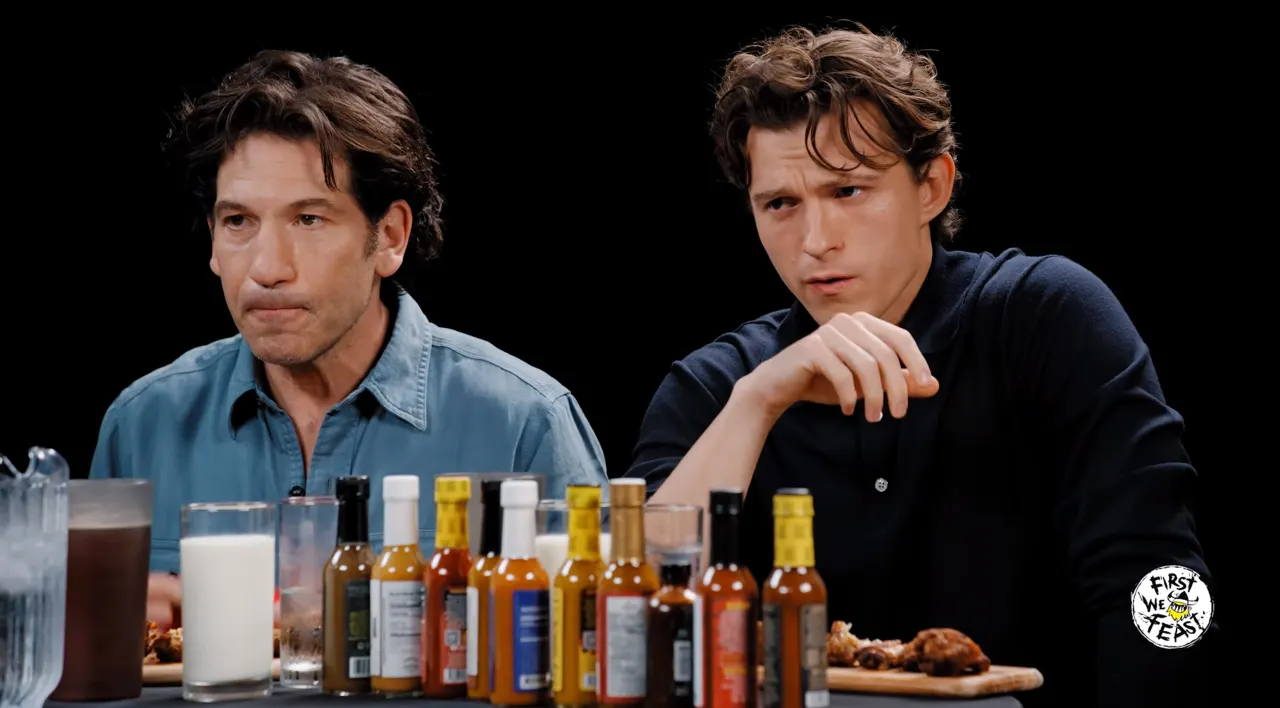
Film and entertainment publicity is increasingly built around playful, social-media-friendly stunts, from spicy-wing interviews to games and unusual settings. These formats can attract large audiences, but the attention may centre on a celebrity’s performance rather than the film being promoted, raising questions about whether virality translates into interest in a release.
The article links the trend to the decline of a shared mass audience and the competition for people’s time from platforms, games, podcasts and everyday life. Marketing specialists say traditional interviews alone may no longer be enough, but argue that campaigns need to connect viral moments clearly to the title: one expert notes that 10 million views can create a meme without generating interest in the film.
In short
- Film promotion increasingly relies on social-media stunts.
- Viral clips may attract views without selling the film.
- Experts say campaigns must connect attention to the title.
Steelman: both sides, in good faith
The strongest fair case each way — we don't pick a winner.
The case for
Playful publicity gives audiences a reason to watch and share film promotion in a crowded media environment, where standard interviews may struggle to break through. These stunts can make stars and releases more approachable, and broad attention may still help a campaign even when viewers do not immediately seek out the film.
The case against
A stunt can become popular on its own terms, leaving audiences with a memorable celebrity moment but little interest in the release. Since attention is limited, campaigns that do not clearly connect the entertainment to the film may generate views without building awareness or encouraging people to watch it.
Explained simply
Film publicity used to rely heavily on interviews and trailers reaching a large shared audience. Now, studios also use games, challenges and unusual settings to make promotional clips that people may watch and share on social media.
These stunts compete for attention with streaming platforms, games, podcasts and other demands on people’s time. A clip can become popular because of a celebrity’s reactions or performance, but that does not necessarily mean viewers will remember the film or want to see it.
The challenge for studios is to make the entertaining moment clearly connect to the title being promoted. Marketing specialists say that even a very widely viewed clip may spread as a meme without creating interest in the release.