World news and discussion on TalkFuse.
Direct rule would see ‘radical woke agenda foisted’ on Northern Ireland, warns DUP leader
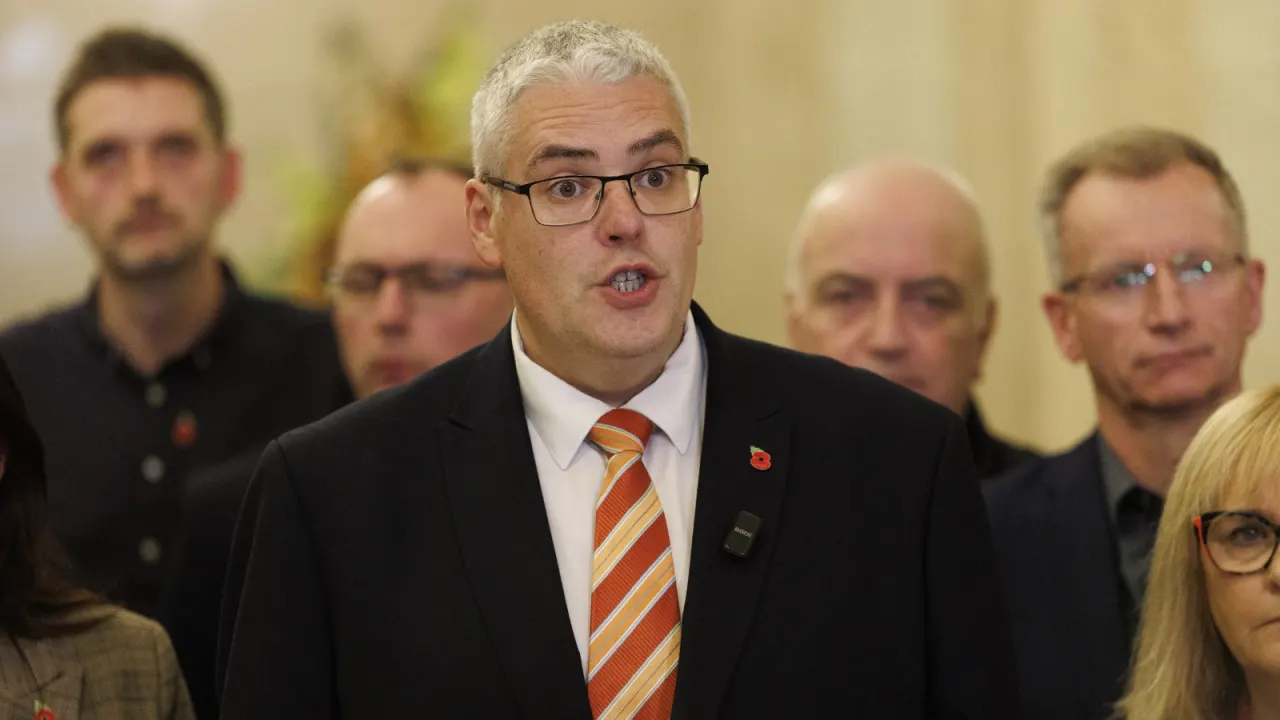
DUP leader Gavin Robinson has warned that withdrawing from Northern Ireland’s power-sharing government could return the region to direct rule from London, allowing Westminster to make decisions without Stormont’s input. He argues that remaining in government gives unionists influence over policy, while leaving would not punish Sinn Féin and could expose Northern Ireland to decisions the DUP opposes.
Robinson’s comments come amid anger over the Drumcree parading dispute and allegations that Sinn Féin representatives, including First Minister Michelle O’Neill, breached a Parades Commission ruling. The DUP has stopped facilitating joint engagements between O’Neill and Deputy First Minister Emma Little-Pengelly, while Upper Bann MP Carla Lockhart has left the party. Robinson also cited abortion law changes made during a previous Stormont collapse and called for sanctions against Sinn Féin ministers; he said the Executive has yet to agree a budget, with ministers seeking more funding from London.
In short
- Robinson says leaving power-sharing could bring direct rule.
- He warns Westminster could impose policies the DUP opposes.
- The dispute follows the Drumcree procession and alleged rule breaches.
Steelman: both sides, in good faith
The strongest fair case each way — we don't pick a winner.
The case for
The DUP’s strongest case for remaining in the Executive is that participation preserves unionist influence over decisions affecting Northern Ireland, whereas withdrawal could hand more authority to Westminster and leave the party with less ability to resist policies it opposes. Past changes to abortion law during a period without devolved government illustrate the consequences its supporters fear, and unresolved disputes may be better addressed through continued negotiation and agreed sanctions.
The case against
The strongest case for leaving is that continued participation can lend legitimacy to an Executive when a party believes its ministers have breached rules or failed to uphold shared commitments. Withdrawal could signal that such conduct has political consequences and put pressure on the UK government and other parties to address the dispute; supporters of this course may judge that the loss of influence is outweighed by the need to defend accountability and the credibility of power-sharing.
Explained simply
Northern Ireland is governed through power-sharing at Stormont, its devolved legislature and Executive. The largest unionist and nationalist parties share government roles, while the UK Parliament in Westminster retains responsibility for some matters and can govern the region directly if power-sharing breaks down.
The Democratic Unionist Party (DUP) is a unionist party, which supports Northern Ireland remaining in the UK; Sinn Féin is a nationalist party, which supports Irish unity. Their leaders and ministers must work together in the Executive, even when the parties disagree over issues such as public spending, parades and social policy.
Whether the DUP stays in government can affect who makes decisions for Northern Ireland and how much local parties shape them. The arrangement also matters for public services and budgets, which depend on agreement within the Executive and on funding from the UK government.
Europe Government Politics World