Business news and discussion on TalkFuse.
What do Christmas market traders say about rising prices?
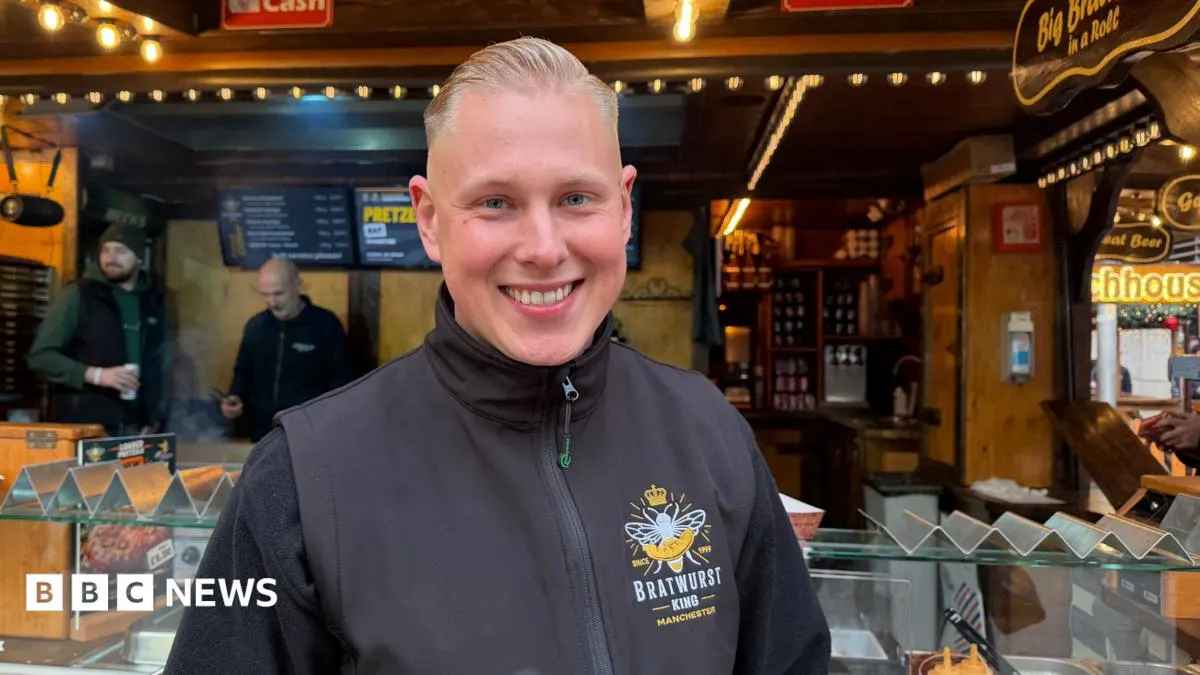
Traders at Manchester’s Christmas markets say higher prices have not necessarily increased their profits, as bills for ingredients, energy and staff have risen. Some say customers are more cautious about spending, while traders face a choice between raising prices and absorbing costs.
Bratwurst King’s Nils Borstel said a sausage now costs £8, up from £3.50, but the business is making less money; he cited higher costs for meat, electricity, staffing and accommodation. CT Catering director Charlotte Whittle said her four stalls cost at least £4,000 a day to run and that her business had accepted lower profits to avoid pricing customers out. Some visitors questioned whether food portions justified the prices, while one trader said she had cut prices to encourage customers to return.
In short
- Manchester market traders face rising costs.
- An £8 sausage has not brought higher profits.
- Some businesses absorb costs or cut prices.
Steelman: both sides, in good faith
The strongest fair case each way — we don't pick a winner.
The case for
Traders can argue that higher prices reflect steeply increased costs for ingredients, energy, staffing and accommodation, rather than a simple bid to make more money. Absorbing those costs can leave businesses with lower profits, while raising prices may be necessary to keep stalls operating through the market season.
The case against
Customers can argue that prices should remain accessible and that higher costs do not automatically justify every price charged, especially when portions seem poor value. With household budgets under pressure, people may reasonably spend less or choose stalls that offer better value, putting pressure on traders to control costs or adjust prices.